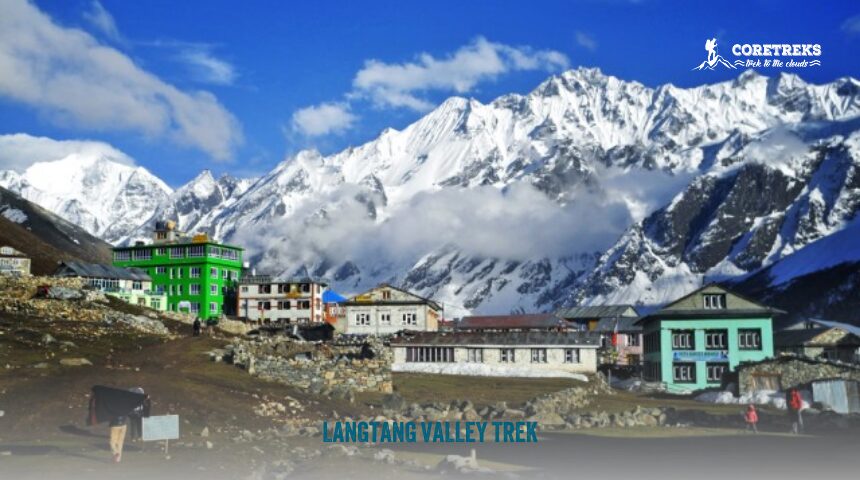
The best time for Langtang Valley Trek is spring and autumn. However, each season offers something unique, and we have the complete information regarding the topic. We will provide you with details on each season for trekking to Langtang Valley so that you can determine the ideal time for you!
Langtang Valley Trek is one of Nepal’s underrated trekking destinations. Among the lesser-known treks, it offers thrilling adventure and rich cultural experiences. The trek lies close to the capital city, Kathmandu, and is easily accessible via roadway. It’s an off-the-beaten trek route that goes through the Langtang National Park and takes you to the hidden “Valley of Glaciers.” It is an ideal journey for escaping the crowded trails and bustling city life to the serene atmosphere of the Himalayas.
So, why is it necessary to know the best time to trek to Langtang Valley? The weather in higher altitude regions is unpredictable and can change at any time. Hence, choosing the right season helps trekkers adequately prepare for the trek. It also allows them to prepare for unforeseen events and plan flexible itineraries. Furthermore, it also enhances the trekking experience. Hence, you must choose the best time to trek Langtang Valley. Let us explore the four seasons of the Langtang Trek in more detail.
A Great Mix of Culture and Mountain Views
The Tamang Heritage and Langtang Valley trek was a great mix of culture and mountain views. The Tamang people were so kind, and the mountains around Langtang were beautiful.
CoreTreks took care of everything, and we felt safe and comfortable the whole way. The tea houses were cozy and just what we needed after a day of walking. Our guide and porters were friendly and always there to help.
This trek was better than I imagined. It was well planned and full of amazing moments.
The Tamang Heritage and Langtang Valley trek was a great mix of culture and mountain views. The Tamang people were so kind, and the mountains around Langtang were beautiful.
CoreTreks took care of everything, and we felt safe and comfortable the whole way. The tea houses were cozy and just what we needed after a day of walking. Our guide and porters were friendly and always there to help.
This trek was better than I imagined. It was well planned and full of amazing moments.
Marta
Spain
Table of Contents
Best time for the Langtang Valley trek
Take a look at the brief of each season for the Langtang Valley Trek:
Spring (March to May)
Spring is one of the best trekking seasons in Nepal and the Langtang Valley. The months of March, April, and May fall during this season. The weather is pleasant and favorable, with warm, sunny days. The daylight is longer, and trekkers can enjoy trekking slowly at their own pace. Moreover, the flora and fauna are the most active at this time of the year.
Langtang Valley Trek In Spring
The precipitation level is low, so the visibility is clear. Rhododendron forests adorn the trails to Langtang Valley and are in full bloom during spring. Likewise, magnolias and various other wildflowers also add beauty to the scenic trails. You can also catch sight of rare and endangered wildlife. It further makes spring the best season for trekking in the Langtang Valley.
The average daytime temperatures of the Langtang region during spring are as follows:
Month
Temperature
March
-3 to 7°C
April
1 to 11°C
May
12 to 20°C
Pros of Spring Season:
Spring has the best weather and climatic conditions with moderate temperatures.
The trails look exotic, with blooming red, pink, and white rhododendrons, magnolias, and wildflowers.
Enjoy the best mountain views and vibrant landscapes under the clear blue sky.
Catch a glimpse of the rare and endangered wildlife species during the Langtang Valley Trek in spring.
The pleasant weather of spring enhances the trekking experience.
Cons of Spring Season:
The melting snow can make the trails wet and slippery in early spring.
The trails can be busier as many choose spring for trekking in Nepal.
Accommodations can get packed as there is a higher number of trekkers on the trails.
Summer season (June to August)
The summer season in Nepal begins from June to August. Additionally, the monsoon season starts with summer. There is heavy rainfall in the hilly and lower regions of the country. However, the Langtang Valley lies in the rain shadow area and receives very little rain. The weather is hot and humid, but the temperature at higher altitudes is warm and moderate.
Since there is heavy rainfall in the lower region, the forest trails can get muddy and slippery. There is also the risk of landslides and floods. However, the rain cleanses the surroundings, and the vegetation looks more vibrant and luscious.
The average daytime temperatures during summer are as follows:
Month
Temperature
June
10 to 15°C
July
20 to 25°C
August
10 to 15°C
Pros of Summer Season:
Enjoy trekking on the quiet trails of Langtang Valley.
The vegetation looks vibrant and luscious.
Witness the blooming flowers like orchids, wild roses, primroses, and more.
Be a part of festive celebrations such as Janai Purnima, Krishna Janmashtami, Indra Jatra, and more.
Cons of Summer Season:
The rainfall makes the trails of the lower regions slippery and wet.
There are risks of landslides, floods, and leeches infesting the forest trails.
Heavy rain clouds may obstruct the view, and visibility is poor.
Autumn (September to November)
The peak and most favorable season for the Langtang Valley Trek is autumn, i.e., September, October, and November. The stable weather, clear blue skies, and mild temperatures make autumn the right time for trekking in Nepal. Similarly, the precipitation level is relatively low, except for occasional rainfall.
Langtang Valley
You can get a crystal-clear view of the mountain panoramas, and the autumn foliage further adds to the scenic beauty of the trail. The weather is warm during the day but can get chillier at night. Some of the major Nepalese festivals also fall during autumn, making trekking in autumn more enjoyable and memorable.
The average daytime temperatures during autumn are:
Month
Temperature
September
10 to 15°C
October
2 to 10°C
November
-3 to 10°C
Pros of Autumn Season:
Enjoy comfortable trekking in the warm and moderate temperatures of autumn.
Witness the crystal-clear mountain views without any obstruction.
The trails are dry and in excellent condition for trekking.
Get spectacular views of the fresh landscapes with vibrant autumn foliage.
Immerse yourself in the local culture and participate in the festival.
Cons of Autumn Season:
Since it is peak trekking season, the trails are comparatively crowded.
The accommodations are usually fully booked, so trekkers must book them in advance.
As the season progresses, the temperature drops significantly, so trekkers must prepare adequately.
Winter (December to February)
The winter season begins in Nepal in December, and it starts to snow in the higher-altitude regions. The Langtang region also experiences heavy snowfall, covering the trails and making it harder to trek. The winter season lasts from December to February. However, it entices many adventure-seeking, experienced trekkers. Since it is the off-season, the trails are quieter, and the snow-covered landscapes make the journey a more mesmerizing experience.
Although the temperature can drop below freezing at night, there is enough sunlight during the day. Also, the mornings can be foggy. Trekking to Langtang Valley in winter requires meticulous preparation, as trekkers have to navigate snowy landscapes and harsh weather conditions.
The daytime temperatures of winter are as follows:
Month
Temperature
December
-2 to 9°C
January
-7 to 3°C
February
-6 to 5°C
Pros of Winter Season:
Enjoy Langtang’s serene and adventurous trails covered in snow.
Get to enjoy the snow-covered landscapes and spectacular views of the mountain panoramas.
There are fewer trekkers on the trail, so trekkers can enjoy the solitude trekking experience.
Breathe crisp winter air and witness various winter phenomena during the trek.
Cons of Winter Season:
Many accommodations close during winter due to harsh winter conditions.
Navigating the snow-covered trails is more challenging, and the drop in temperature can cause frostbite and hypothermia.
The icy trails can get slippery and increase the risk of injuries.
There is a risk of avalanches and blockage of high mountain passes with snow.
Here is a quick summary of the climatic conditions of each month and trekking conditions during the Langtang Valley Trek:
Month
Climate
Trekking conditions
January
Heavy snow, very cold
Only experienced trekkers
February
Light snow, cold
Requires proper gear
March
Slightly warmer, blooming flora, clear skies
Best
April
Warm, clear views, blooming flora
Best
May
Warmer, can get hazier, afternoon clouds are common
Good
June
Hot, humid, start of monsoon, leeches
Not recommended
July
Peak monsoon, leeches, poor visibility
Not recommended
August
Moonson, leeches, poor visibility
Not recommended
September
End of monsoon, better visibility
Excellent
October
Peak trekking season, stable weather, clear skies
Excellent
Novemver
Cool temperature, crisp air, crystal-clear views
Excellent
December
Cold, light snow
Well-preparation
Tips for trekking in Langtang Valley during the best time
Now we know what the weather is like in the Langtang Valley in each season, let us now explore a few tips for the Langtang Valley Trek:
Undertake exercises and training to build your strength, stamina, and endurance for the trek.
Research the trek and its challenges to prepare yourself mentally. Similarly, build your mental resilience and set realistic expectations for the trek.
Choose the right season that best suits you.
Check the weather forecast before the trek and be ready to tackle varying weather conditions.
Obtain the necessary permits and book the accommodations before the trek.
Pack adequate clothing and gear for the trek.
Stay hydrated even in cold weather.
Keep your itinerary flexible so that it is possible to adjust it in case of changing weather conditions and difficulties.
Gosaikunda Lake
Conclusion
The Langtang Valley Trek is possible throughout the year. However, if we have to choose the best time for Langtang Valley Trek, spring and autumn are the best choices. The perfect weather and temperature make these seasons ideal for trekking in Nepal. However, each season has its unique appeal and characteristics. Similarly, each season has its cons, which add to trekking challenges.
Whichever season you choose, the Langtang Valley Trek is a one-of-a-kind adventure. Whether you decide on peak seasons or off-seasons, with proper preparation, you can enjoy this incredible journey to the Valley of Glaciers. Make sure you plan your itinerary according to the season you are taking the trek and pack wisely. The Langtang Valley Trek will be one of your most rewarding and memorable journeys!
FAQs For Best time for Langtang Valley trek
Which month is the best for Langtang Valley Trek?
Spring (March, April, and May) and autumn (September, October, and November) are the best months for Langtang Valley Trek. These months have the best and most stable weather, clear skies, and little rainfall. The favorable weather also enhances the trekking experience. The visibility is also clear and excellent for enjoying the best scenes and mountain panoramas.
How crowded is the Langtang Valley Trekking trail?
The Langtang Valley Trek trail is less crowded than the popular trekking destinations of Nepal, such as the Everest Base Camp Trek and the Annapurna Base Camp Trek. So, you can enjoy quiet trails and a serene atmosphere while trekking to Langtang Valley. However, during spring and autumn, the trail can get busier.
Can I do Langtang Valley Trek in the summer?
Yes, Langtang Valley Trek is possible in summer and throughout the year. It lies in the rainshadow area of Nepal and receives very little rainfall during summer. Hence, the weather is relatively clearer, and the trails are drier. There is no need to worry about wet and muddy pathways or leeches during the Langtang Valley Trek in summer.
Do I need snow gear for Langtang Valley Trek in winter?
Yes, Langtang Valley Trek is possible in summer and throughout the year. It lies in the rainshadow area of Nepal and receives very little rainfall during summer. Hence, the weather is relatively clearer, and the trails are drier. There is no need to worry about wet and muddy pathways or leeches during the Langtang Valley Trek in summer.
Are there heating facilities available during the Langtang Valley Trek?
The accommodations have a heating facility in the communal dining space. There is a huge stove in the middle of the dining room for heating purposes. However, the rooms do not have heating facilities, so it can get quite cold at nighttime. Therefore, trekkers must prepare adequate clothing and sleeping bags to keep themselves warm during the Langtang Valley Trek.
Mr. Regmi has been a certified climbing instructor for 11 years instructor (licensed by Ministry of Culture, Tourism and Civil Aviation, Nepal) and is one of the most experienced trekking guides. He spent his childhood in Solukhumbu among the mountains. He joined CoreTreks in the year 2015 and has been guiding trekkers up the trails of Everest Region. With his local expertise and discipline for safety and precautions, he is one person you can always trust while trekking in the Himalayas.
The Himalayans regions have no clear marking but with Mr. Regmi you are always in good hands. He knows the ins and outs of the historic sites in the region that helps in trekking through the trails of Himalayas. Everest Base Camp Trek, Annapurna Circuit Trek, Manaslu Circuit Trek are some of his regular routes. He also has a knack of keeping trekkers hooked with his conversation by sharing his trekking stories and some amusing facts about the Himalayas.
Boudhanath Stupa is one of the most sacred Buddhist sites in the world. It is a religious site and a cultural hub for pilgrims, especially Tibetan Buddhists. Similarly, it is one of Nepal's largest, 36-meter-high, and 100-meter-wide stupas in the capital city of Kathmandu. The stupa is located just 7 km northeast of central Kathmandu,…
The Everest Base Camp Trek in February is a one-of-a-kind experience that trek enthusiasts must take once. Contrary to many trekkers who believe winter months are unsuitable for Himalayan ventures, trekking in February is doable. It is just the time when the cold winter slowly transitions into the warm spring season. Therefore, trekking on the…
Many of you might be curious about the Manaslu Circuit Trek after earthquake in Nepal and whether it is safe for trekking. Fortunately, yes. The trail that was heavily damaged by the 2015 Nepal earthquake has re-opened. So what are the conditions of the trails, accommodation availability, and risks of Manaslu Circuit Trek after the…
This site uses cookies to optimize your user experience. By using this site, you are consenting to our use of these cookies. Check out our Privacy Policy.