After recent events, Nepal is back to normal and ready to share its cultural and natural wonders with you.


The Annapurna region is one of Nepal’s most popular and second to the Everest Region in terms of being iconic. The region is home to the 10th highest mountain in the world, Mount Annapurna ( 8,091m/ 26,545 ft). The area lies within the Annapurna Conservation area and offers a unique glimpse into diverse flora and fauna. The journey to the Annapurna region passes through stunning villages and the natural beauty of rivers, forests, and towering peaks. Moreover, this Annapurna Travel guide’s main page covers everything you need to know about exploring the region, from planning your trek to choosing the best time and choosing different routes.

The weather in Annapurna varies greatly depending on the season and altitude. Spring (March, April, and May) offers one of the best weather in the Annapurna region, with mild temperatures and clear skies. Temperature ranges from 10°C to 20°C, making trekking conditions comfortable. Summer (June, July, and August) brings warm temperatures ranging from 15°C to 25°C. However, the monsoon rain makes the trail slippery, and clouds block the mountain views.
Furthermore, Autumn (September, October, and November) is the most popular season, with stable weather and clear skies. The temperature ranges from 10°C to 20°C. Similarly, Winter (December, January, and February) is cold due to the winter season. The temperature ranges from 5°C to 10°C during the day and freezing at night.



$1350 $1,188
per person
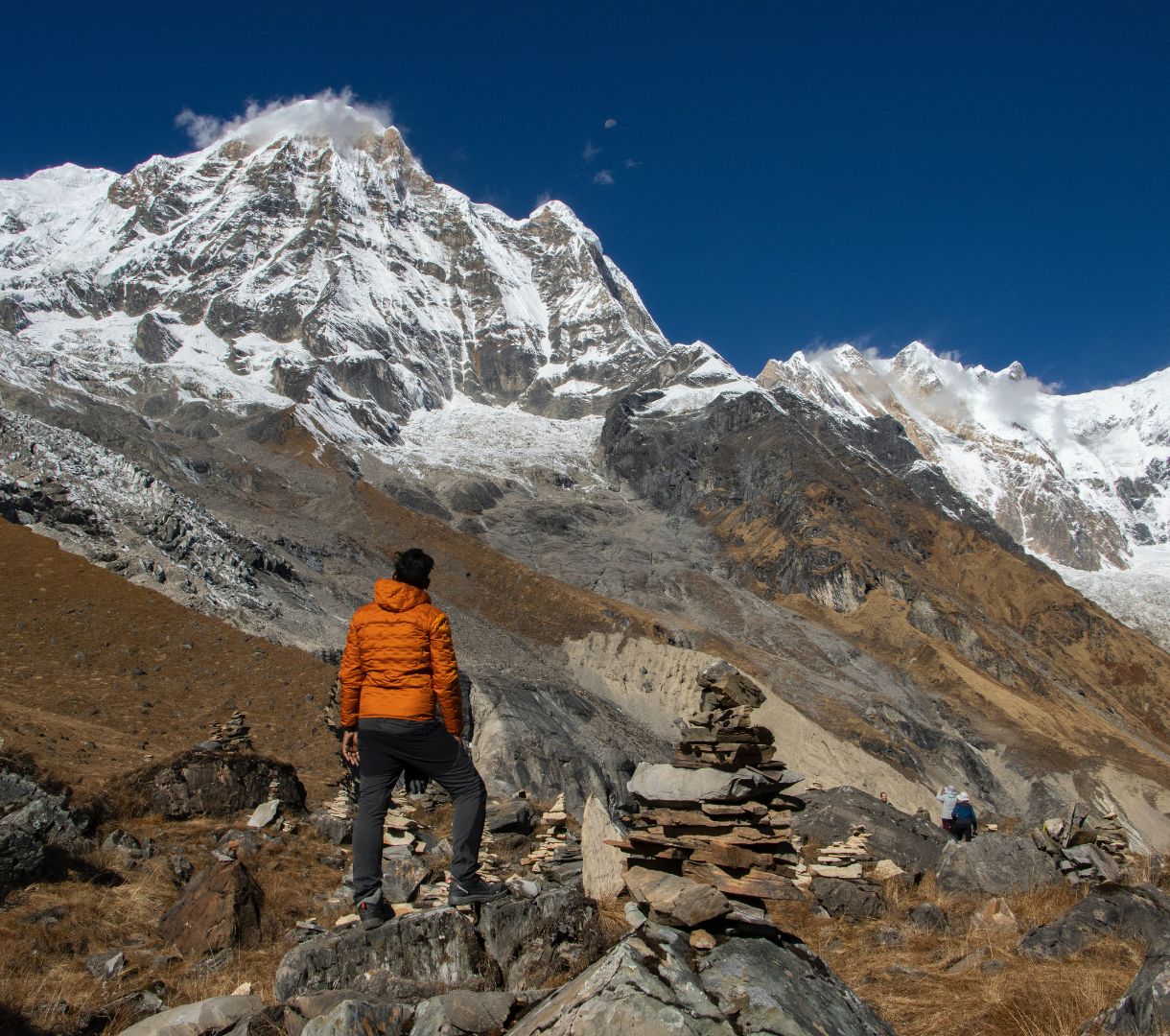
Reach 4,130 m/13,550 ft in 13 Days

$USD 1,280 per person
Reach 4,130m/ 9,577ft in 14 Days
$1628 $1,448
per person
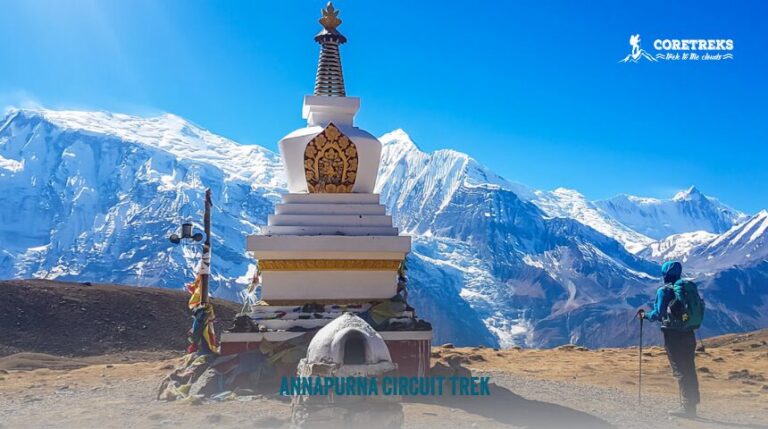
Reach 5,416m/ 17,764ft in 16 Days

$USD 1,716 per person
Reach 5,416m/ 17,764ft in 17 Days

$USD 1,920 per person
Reach 5,416m/ 17,764ft in 21 Days

$USD 1,599 per person
Reach 6,091m/ 19,978 Ft in 18 Days
During the 19th century, British surveyors and cartographers began mapping the Himalayan region, including the Annapurna area, as a part of their efforts to understand the geography of South Asia. Yer, their focus was primarily on strategic military and trade routes rather than the Annapurna region. Thus, the actual discovery of the Annapurna on the global stage was in 1950 when a French team led by Maurica Herzong summited Annapurna I. After his expedition, the Annapurna massif became a focus for climbers, leading to the recognition of the Annapurna region.

In the 1970s, trekking to the Annapurna region gained popularity, and the Annapurna Base Camp and Annapurna Base Camo officially developed. Today, the Annapurna region has numerous trekking routes, including Tilicho Lake Trek, Ghorepani Poon Hill Trek, Mardi Himal Trek, and countless other thrilling routes. Moreover, the Conservation Area of Annapurna surrounds the entire region, spreading an area of 7,629-square-kilometre.

The Annapurna region has been inhabited for centuries by local ethnic groups, including Gurung, Thakali, and Magar people. Each ethnic group contributes to the area’s unique traditions, languages, and practices, creating an extraordinary cultural journey. Tibetan communities, especially near the Mustang border, have followed Tibetan Buddhist practices and handicrafts. Monastries, including Brage, are a prominent spiritual landmark of the region.
20 Trekking Trips
