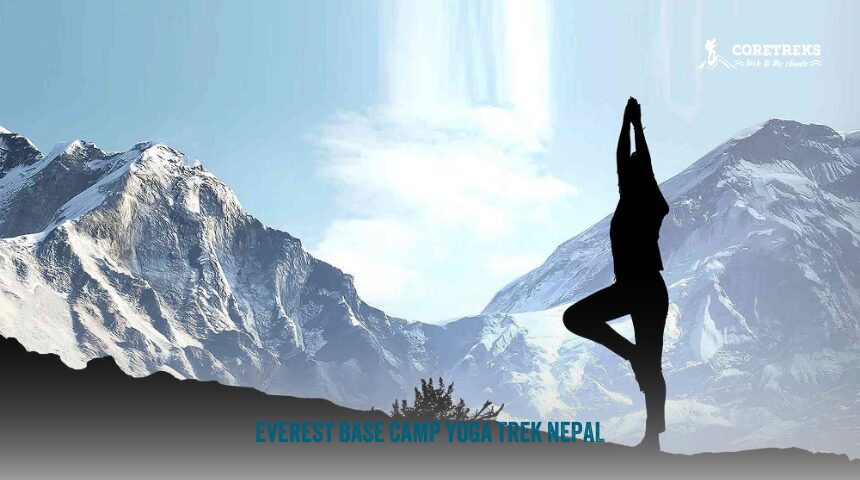
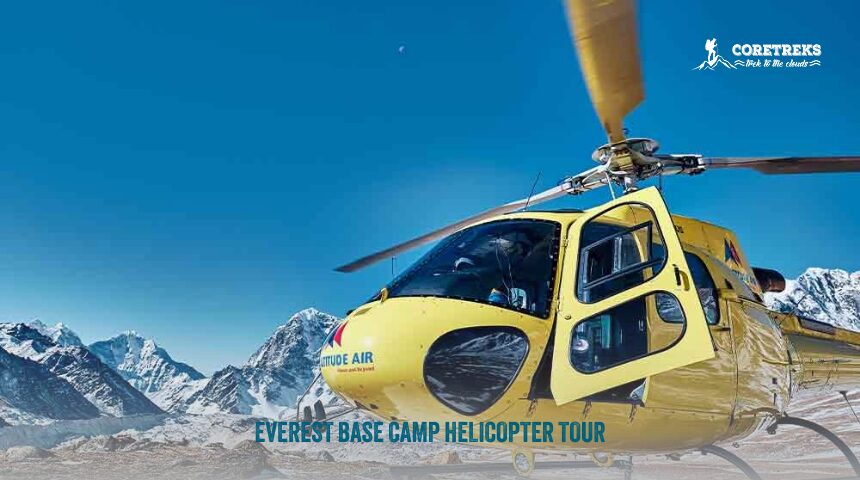
The Everest Base Camp Trek in February is a one-of-a-kind experience that trek enthusiasts must take once. Contrary to many trekkers who believe winter months are unsuitable for Himalayan ventures, trekking in February is doable. It is just the time when the cold winter slowly transitions into the warm spring season. Therefore, trekking on the classic trails of the Everest region is even more extraordinary at this time.
Everest Base Camp (5364 m) is the most popular trek destination in Nepal. The cold air lowers humidity and haze, giving you a clear and wide view of Everest and the nearby mountains. It is an adventurous journey that thousands of trekkers dream of. Hence, the trails are usually crowded during peak season. February is a great time to avoid the crowds and enjoy the peaceful Himalayas. Moreover, the snowy landscapes and mesmerizing mountain panoramas will capture anyone’s heart.
Trekking to EBC can be slightly more challenging in February than during the peak season. The frozen trails, cold temperatures, and freezing wind will make the venture more demanding. However, that is where the beauty of the trek lies. You will get the trail to yourself and immerse in the local culture more deeply. Those who thirst for thrilling adventure can taste the extraordinary experience. Likewise, it is the ideal time for photographers and winter lovers. Need further convincing? Fret not. Let us explore more about the EBC Trek in February!
Table of Contents
Major Highlights of Everest Base Camp Trek in February
Clear skies, stunning mountain views, crisp, dry weather, and unobstructed views of Everest, Lhotse, Cho Oyu, Ama Dablam, and surrounding peaks.
Fewer crowds and peaceful trails that provide a more solitary and serene experience than peak trekking seasons (spring and autumn).
Snow-capped mountains and fields that look magical when the golden rays of the sun hit them.
Less crowded teahouses ensure easier access to accommodations and more personalized service.
Ideal conditions for photographers, with sharp contrasts between snow-covered peaks and the bright blue sky.
The Views were Something I’ll Always Remember
CoreTreks really made my Everest Base Camp trek special. From the start, they were kind and helpful. The team knew a lot and took care of us the whole way. Our guide was amazing. He helped us get used to the altitude and shared great info about the area.
The mountains were so big and beautiful, and the views were something I’ll always remember. The places we stayed were comfy, and the food gave us good energy every day. I also liked how CoreTreks cared about the environment. I’d tell anyone to go with them for this trek
CoreTreks really made my Everest Base Camp trek special. From the start, they were kind and helpful. The team knew a lot and took care of us the whole way. Our guide was amazing. He helped us get used to the altitude and shared great info about the area.
The mountains were so big and beautiful, and the views were something I’ll always remember. The places we stayed were comfy, and the food gave us good energy every day. I also liked how CoreTreks cared about the environment. I’d tell anyone to go with them for this trek
Grace Smith
United Kingdom
Is February A Good Time For The Everest Base Camp Trek?
Absolutely yes! February is a good time for the Everest Base Camp Trek. There are lots of pros to trekking at this time of the year. However, you should also remember that, like every season, there are a few drawbacks.
Pros of Trekking in February
Here are the major pros of trekking in February:
Less crowded trails
Everest Base Camp In February
One of the best things about trekking to Everest Base Camp in February is its quiet trails. During peak trekking seasons, the EBC trails are usually crowded with trekkers from all over the world. As February is the off-season, there are very few trekkers. It is the best time for those who prefer less crowded trails and a peaceful atmosphere. You can trek at your own pace and enjoy the trails for yourself. The guides and porters are available even during the off-season so that you can enjoy the journey without any worries.
Cool weather and brilliant views
The weather in February is cold, which has both its pros and cons. We consider it to be one of the pros of EBC trekking. You can wear insulating layers to keep yourself warm. Trekking in cooler weather is more comfortable than under the scorching hot summer sun. The days are usually warm in February, with clear skies and refreshing air. It makes breathing easier on the lungs compared to humid conditions during summer. Similarly, there are minimal obstructions, and the views are incredibly clear. You can see amazing panoramic views of the snow-covered Himalayas and the beautiful Everest region.
Cheaper accommodations
Accommodations are usually cheaper during the off-season than during peak seasons. Since February is off-season, trekkers are more likely to get discounts. There are very few trekkers, so the tea houses are usually empty. Hence, the services are also better. Trekkers will have more choices for lodging and food. You can easily get rooms at a reasonable price at the best tea houses and lodges. The flights are also cheaper at this time of the year. Similarly, many trekking agencies also offer discounts. Backpackers and those traveling on a tight budget can take advantage of the discounts.
Less rainfall and snowfall
The chances of rainfall are minimal during February. The precipitation percentage is low during winter and springtime. Likewise, snowfall in higher elevation areas of Nepal is also lighter. It is one of the driest months and great for Everest Base Camp trekking. Trekkers do not have to worry about rain or view obstructions during the journey. They also do not have to worry about landslides or mudslides. There can be slight snowfall in higher regions. It gently covers the landscapes of the Everest region like a white blanket. However, nothing heavy that trekkers have to worry about. You can enjoy the gorgeous scenery of the snowy landscapes and snow-capped mountain vistas.
Cons of Trekking in February
Some of the drawbacks of EBC trekking in February:
Cold weather and shorter days
While the cooler weather is great for the Everest Base Camp Trek, the weather in higher regions can quickly turn extreme. The temperature in high-altitude areas can drop below 20°C at nighttime. Additionally, the strong, icy winds that blow in the afternoon further make it colder than the actual temperature. The days are also shorter in February, with shorter daylight hours. Hence, there is less time for trekking, and trekkers must reach their day’s destination before dark. Sudden weather changes can cause delays in the plans. The flights can also get delayed or canceled. So, the trekkers should have a flexible itinerary for the EBC Trek in February. Also, they must keep themselves updated with the weather forecast.
Icy & snowy trails
Another con of the Everest Base Trek in February is the icy and snowy trails at higher altitude regions. The snow from previous months can pile up and freeze on the higher regions’ trails and passes. As a result, the trails can be icy and slippery. It can be challenging to ascend to higher elevations, especially Everest Base Camp and Kala Patthar. Trekkers have to be careful while crossing the icy trails to avoid getting injured. They may also need snow gear, like snowshoes, to cross the frozen pathways or glaciers. Proper planning and preparation are necessary to overcome these challenges.
Risk of altitude sickness
There is the risk of altitude sickness during high-altitude treks like Everest Base Camp. The cold temperature, icy wind, and frozen trails make the journey more demanding. As a result, the risk is not higher during February, but these factors indirectly increase the risk. The cold weather also slows acclimatization and makes adjusting to the growing elevation harder. Similarly, the body uses extra energy to stay warm, and the risk of dehydration also increases. Therefore, trekkers must take proper precautions and stay hydrated despite the cold weather. They must drink plenty of warm fluids, acclimatize adequately, and wear adequate winter gear while trekking to EBC in February.
Weather Conditions in February
Temperature
February falls right in between the winter and spring seasons. The winter season transitions into spring midway, so there are slight changes in the temperature of the Everest region. In early February, the temperature is around 8°C during the daytime. As the month progresses, the temperature gradually increases and reaches 12°C.
The days are warm in February, which drops significantly at nighttime. At higher altitude areas like Everest Base Camp, the temperature can drop below -10°C. By the end of February, the nighttime temperature at the higher region is around -5°C. Strong wind is common in the afternoons in high-altitude areas and is icy cold in February. So, trekkers may feel more colder than the actual temperature.
Here is the temperature in various areas of the Everest region in February:
Location
Altitude
Min. Temp.
Max. Temp.
Avg. Temp.
Lukla
2860 meters
-0.8°C
9.4°C
4.3°C
Namche
3440 meters
–11°C
-5°C
-7°C
Dingboche
4410 meters
-14.2°C
1.5°C
-6.4°C
Lobuche
4940 meters
-8.8°C
-17°C
-0.6°C
Gorak Shep
5164 meters
-18.3°C
-1.8°C
-10.1°C
Snowfall
Snowfall In Namche Bazaar
There is little to no snowfall in lower elevation areas like Namche Bazaar of the Everest region in February. There can be frosty ice patches here and there. There is only light snowfall in high-altitude areas. However, the snow from the previous months covers the entire landscape. The piled-up snow makes the trails icy and slippery.
Similarly, the high mountain passes may be covered with snow, blocking the way. The Everest Base Camp route is open during February. Since there is only slight snowfall, the accumulated snow is manageable. Trekkers may need snow gear like snow boots or crampons. Overall, the weather is stable, with light snowfall in February.
Visibility
The weather is stable and warm, and visibility is excellent during February. The skies are clear, and the air is crisp. Similarly, the precipitation level is low, so there is minimal rainfall and clouds. Trekkers can enjoy spectacular mountain panoramas and snow-covered landscapes of the Everest region.
February is one of the driest months of the year, so the air is dry. Hence, very little fog or haze obstructs visibility. However, the weather can change at any time due to the altitude. There can be occasional morning fog that can obstruct views. The weather in Lukla is also infamous for changing rapidly. As a result, flights can be delayed or canceled. All in all, visibility is great in February.
EBC Trail Conditions in February
The Everest Base Camp trail is usually empty in February, as there are very few trekkers. Light snowfall occurs at higher elevations, and snow from previous months covers the trails. Therefore, trekkers will have to walk on snowy and icy pathways during the Everest Base Camp Trek. As you move to higher elevations, the piled-up snow will make the trek challenging, so trekkers must physically and mentally prepare for it.
The trail conditions of the lower regions are usually dry. In places like Lukla and Namche Bazaar, there may not be any snowfall, but you may see some icy patches in the mornings. The trail from Namche becomes icier and colder. The days are usually warm and clear, but the icy wind will make it challenging. Trekkers who enjoy adventure and the winter season will love the journey. The snowy landscapes and the dazzling snow-covered peaks will further enhance your trek experience to the Himalayas in February.
Different Routes and Alternatives for the EBC trek in February
The classic route follows the path to Everest Base Camp via Phakding, Namche Bazaar, Tengboche, Dingboche, Lobuche, and Gorak Shep. This is the most effective route in February. That said, there are different routes as well, which are as follows
Route: Lukla → Namche Bazaar → Thame → Renjo La Pass → Gokyo → Cho La Pass → Lobuche → EBC → Kongma La Pass → Chhukung → Dingboche → Namche → Lukla.
Pros: More challenging and scenic, covering all major highlights.
Cons: Doing so in deep winter without experience is not advisable, as snow may block passes.
Jiri to EBC Trek (Traditional Route)
Duration: 20–24 days
Route: Drive from Kathmandu to Jiri → Trek through lower Solukhumbu → Join classic EBC route at Namche Bazaar.
Pros: No flight risks, gradual altitude gain, cultural experience.
Cons: Much longer, lower sections may be muddy.
EBC Helicopter Return Trek
Duration: 7–10 days
Route: Trek to EBC via the classical route, then take a helicopter back to Lukla.
Pros: Saves time, avoids long descent.
Cons: Expensive
Festivals Celebrated in February
If you are trekking to Everest Base Camp in February, consider scheduling your itinerary to coincide with Gyalpo Losar, the Tibetan New Year, which falls this month. Hence, it is the month of celebration in the Everest Region. The date varies depending on the lunar calendar. The settlements like Namche and monasteries like Tengboche are vibrant during this festival.
Monasteries perform prayers and chanting, which you can be part of. Not only that, Sherpa families gather for feasts with traditional Tibetan foods. They partake in singing and dancing (masked dances). You can add the warmth of the Sherpa people by being part of the festival on cold days.
Food During the EBC Trek in February
The ingredients must be supplied to the tea houses on the EBC trail on foot. Doing so on a snowy path and in chilling weather is challenging. Hence, the food found in the tea houses might be limited, while the luxury lodges might have the necessary stock.
You should stick to the foods that provide warmth and energy. Such foods include Dal, Baht, Tarkari (lentil soup, rice, and vegetable curry), and foods with soup like Rildok and Thukpa. You should not drink alcohol while trekking. Instead, opt for ginger lemon tea, butter tea, etc.
Accommodation During the EBC Trek in February
Lodges and tea houses on the EBC Trek trails remain open, even in February, especially in the lower regions like Namche and Tengboche. However, many tea houses might be closed in the upper areas, like Gorak Shep and Lobuche, due to extreme cold and fewer trekkers. Or, they operate on a turn-by-turn basis.
While you will get insulated rooms in luxury hotels, that might not be true in simple tea houses. The dining area is heated, but not the rooms. The bedding provided might not be enough to handle the cold. So, bring a sleeping bag (rated -20°C). Besides, there is a high chance that you might get the discounted prices.
Charging and Internet for EBC Trek in February
While trekking, electricity for charging phones, cameras, and the internet is available at tea houses. However, you need to pay extra fees to receive the facility. Charging an electronic device costs about USD 2 to USD 5 per charge. The price can go up as you go higher. Due to extreme cold, the devices drain the battery faster. So, carrying a power bank is useful.
Wi-Fi is available in significant stops like Namche, Dingboche, and Gorak Shep. But, the price can be expensive, and the connectivity can be slow and unreliable. You can opt to get the Everest Link Card, which costs USD 20 for 30 days and offers 10 GB of data.
Tips for the successful trek to Everest Base Camp in February
Since the risk and difficulty involved in the EBC Trek in February are high, you need to be extra careful. So, here are some of the tips for a successful trek:
Dress in Layers: February has cold weather, especially at higher altitudes. So, wear moisture-wicking base layers, insulating mid-layers, and a waterproof/windproof outer layer.
Carry Extra Warm Gear: Bring a good quality down jacket, gloves, hat, thermal socks, and a sleeping bag rated for cold temperatures (around -15°C or lower). The cold can be extreme, significantly above Namche Bazaar.
Be Prepared for Shorter Days: February has shorter daylight hours, so plan your trekking days accordingly. Aim to reach your destination early to avoid hiking in the dark.
Stay Hydrated and Nourished: The dry winter air can dehydrate you quickly. So, drink plenty of water and eat high-energy foods to maintain strength during the trek.
Monitor Altitude Symptoms: Pay attention to signs of altitude sickness, such as headache, dizziness, and nausea.
Acclimatize: Take your time to acclimatize, especially at and after Namche Bazaar, and don’t rush to higher altitudes.
Pack Extra Snacks: Since teahouses may have fewer supplies in February, it’s helpful to bring extra energy snacks like nuts, energy bars, or dried fruit.
What to Pack for the Everest Base Camp Trek in February?
To better prepare for the Everest Base Camp Trek in February, here is the complete packing list:
Clothing
Windproof/ waterproof jacket
Down jacket and hard-shell jacket
Thermal tops and bottoms
Trekking shirts and T-shirts
Sweaters or fleece jackets
Trekking pants
Warm trousers
Beanie or warm hats
Buff/ neck gaiter
Warm gloves
Footwear
Sturdy and comfortable trekking boots
Camp shoes or slippers
Warm and moisture-wicking socks
Liner socks
Equipment & Gear
Backpack (40 to 50 liters)
Daypack or rucksack
Adjustable trekking poles
Sleeping bag (-15 to -20°C)
Flashlight or headlamp with extra batteries
Thermal water bottle
Crampons or gaiters
Toiletries
First aid kit
Energy bars or snacks
How to Prepare for the Everest Base Camp Trek in February?
Physical Fitness
Everest Base Camp Trek is a moderate-grade venture that requires good health and fitness. In February, the cold weather and icy trails make trekking more challenging. Trekkers must have good strength, stamina, and endurance to overcome these obstacles. To best prepare for the EBC Trek in February, you should start preparing two to three months in advance.
Cardio workouts, endurance training, and strength-building exercises are the best exercises to build physical fitness. Cardio exercises include running, cycling, hiking, brisk walking, and swimming. Similarly, strength-building and endurance training include lunges, squats, push-ups, deadlifts, planks, crunches, step-ups, etc.
Mental Preparation
In addition to the physical preparation, mental preparation is equally important. It requires proper preparation to counter the cold weather, icy wind, frozen paths, and unpredictable weather. The long trekking hours on varied terrains and altitude gain cause physical as well as mental exhaustion. Trekkers must have a positive mindset to overcome the challenges.
Similarly, trekkers may also feel isolated during the journey as very few fellow trekkers are on the trail in February. It may cause mental stress and make the trip more taxing. The lack of infrastructure and facilities can also cause discomfort and trigger trekkers. They must have the mental resilience, motivation, and patience to undertake the Everest Base Camp Trek in February.
Acclimatization
Everest Base Camp
There is a risk of altitude sickness during the Everest Base Camp Trek. You will ascend to a high altitude above 5000 meters during the trek. The Everest Base Camp sits at an altitude of 5364 meters, and the Kala Patthar is at an altitude of 5545 meters. The risk of altitude sickness begins as you ascend to an elevation above 2500 meters. It is because the oxygen level reduces in the atmosphere, and breathing becomes increasingly difficult.
Acclimatization plays a crucial role in minimizing the risk of altitude sickness. It helps your body adapt to the growing elevation and changing surroundings. During acclimatization, your body undergoes several physiological changes, which may take some time. Namche Bazaar and Dingboche are popular Everest Base Camp Trek acclimatization stops. While acclimating, trekkers must stay active to allow their bodies to adapt to the altitude. Your body will start to produce more red blood cells, transporting oxygen in your body more effectively.
Here are the top tips for acclimatization during the EBC Trek:
Ascend to a higher altitude gradually without rushing. Climb only 300 to 500 meters in altitude per day.
Keep yourself hydrated and drink plenty of warm fluids.
Eat a healthy and nutritious diet that includes easily digestible proteins and carbs.
Climb high and sleep low. During the day, you can climb at a higher altitude but descend to a lower elevation to sleep.
Listen to your body, and do not overexert yourself. If you feel even slight discomfort or experience altitude-related symptoms, let your guide know immediately.
You can take medications like acetazolamide to help with acclimatization. However, consult with health professionals before taking them.
Costs of the Everest Base Camp Trek in February
The cost of trekking to Everest Base Camp can range from USD 800 to 1500 per person in February. The price can vary depending on the services. Trek agencies, flights, and accommodations can offer discounts as the month falls in the off-season. So, the cost can be slightly lower than traveling in peak season. The standard EBC Trek package includes accommodations, transportation, meals, permits, a guide, and porter fees.
The one-way flight from Kathmandu to Lukla can cost around USD 150 per person. However, if you decide to take a helicopter ride, it can cost around USD 500 to 700 in shared costs for a one-way trip. A private charter can cost even more, usually around USD 5000 for a single way. A domestic flight from Kathmandu to Lukla and vice versa is the most popular transportation option.
Similarly, the accommodation cost per night is cheaper in lower altitude regions. It costs around USD 8 per night. As you move to higher elevations, tea houses may charge USD 20 to 30 per night. The price usually includes breakfast and dinner. For additional services like internet, hot water, hot shower, charging devices, etc, you will have to pay an extra charge of around USD 2 per service.
For the Everest Base Camp Trek, you will need two permits: the Khumbu Pasang Lhamu Rural Municipality Entry Permit and the Sagarmatha National Park Entry Permit. The price for the Khumbu Pasang Lhamu Rural Municipality Entry Permit is approximately. USD 20 per person.Meanwhile, the Sagarmatha National Park Entry Permit costs approximately. USD 12 for SAARC nationals and USD 24 for non-SAARC nationals. Hiring a guide costs around USD 30 to 40 per day, while porter fees range from USD 25 to 35 per day, excluding tips.
Note: Personal expenses are not included in the package.
Tips for a Successful Trek in February
Trekking to Everest Base Camp in February means you will have to face cold temperatures, light snowfall, and icy winds. Trekkers must stay warm and dry to overcome these challenging conditions. Layering is the key to staying warm, so wear insulating and moisture-wicking thermals as the base layer. Then, wear a down or fleece jacket as a mid-layer and cover up with a waterproof/ windproof shell jacket. Protect your head and face with hats or balaclava/ buff from the cold wind. However, remove layers if you start sweating. It is very important to stay dry while trekking to prevent frostbite.
Choose a Reliable Trekking Agency
There are numerous local trekking agencies in Nepal, and choosing one can be challenging. Always go for a government-registered trek agency with years of experience in the field, like CoreTreks. A reputed and reliable agency has well-curated itineraries with adequate acclimatization days for high-altitude ventures like Everest Base Camp. They have experts in their teams with licensed and professional guides and porters. As a result, your journey to the destination is safe as well as memorable. You can check the agency’s review through online portals like TripAdvisor, Google, etc. Also, check the safety standards and pricing before choosing a trek agency for your trek.
Stay Flexible
Trekking to Everest Base Camp in February is undoubtedly a unique and memorable experience. However, the weather can be unpredictable at times since it is during the transition period from winter to spring. The weather at Lukla is known for changing rapidly. Flights can be delayed or canceled frequently due to poor visibility. Similarly, the weather at higher altitudes can also be unpredictable. You may have to change route or stay an extra day at your present location for safety. Therefore, it is best to have a flexible itinerary with a contingency day. Do not panic if things do not go as planned. Stay calm and enjoy the incredible adventure.
Conclusion
The Everest Base Camp Trek in February is an opportunity to explore the classic trail in a quiet atmosphere. Everest Base Camp is the most popular trek destination in Nepal, which is crowded during the on-season. So, February is a perfect time when there are few trekkers on the trails, and the weather is stable enough for a beautiful journey to the Himalayas.
February lies in the off-season, and it may turn off many trekkers. But do not let it scare you off. If you have managed to read our content above, you might have understood that it is not as challenging as it seems. You can join these one-in-a-lifetime experiences with proper preparation. If you want to be part of this extraordinary adventure, visit our site or contact us for more information!
FAQs Regarding EBC Trek In January
Is it safe to trek to Everest Base Camp in February?
Yes, it is safe to trek to the Everest Base Camp in February. It is the exact time of the year when winter transitions into spring, and many trekkers skip February, thinking about the cold weather. However, the trails are relatively less crowded and quieter. Trekkers can enjoy a peaceful trekking experience and mesmerizing views of the snow-capped mountain vistas.
How cold does it get at Everest Base Camp in February?
It gets really cold at Everest Base Camp in February, especially at nighttime. Since February is partly winter season, the daytime temperature can drop up to -10°C and the nighttime temperature can get below -20°C. The icy wind also makes it really cold at the Everest Base Camp. Therefore, trekkers must wear warm and insulating layers to keep themselves warm at EBC in February.
Are tea houses open in February?
Yes, most tea houses in the Everest region are open all year round, including February. In higher regions, some tea houses can close due to extreme weather conditions. So, it is best to book your accommodations in advance for your Everest Base Camp Trek in February. As it is off-season, many tea houses even offer special discounts.
Can I see Everest clearly in February?
Yes, you can clearly see Mount Everest in February. Despite the cold weather, the skies are clear, and the visibility is excellent. The trek takes you through traditional Sherpa villages all the way to the base of Mount Everest (8,849 m). The weather is also stable in February. The afternoons can be cloudy, so mornings are the best times to see a clear view of Everest.
Is it too cold to trek to EBC in February?
Yes, February is one of the coldest months, with temperatures dropping to -15°C to -20°C at higher altitudes, especially during nighttime. However, with proper layering and high-quality winter gear, it is manageable.
How cold does it get at Everest Base Camp in February?
It gets really cold at Everest Base Camp in February, especially at nighttime. Since February is partly winter season, the daytime temperature can drop up to -10°C and the nighttime temperature can get below -20°C. The icy wind also makes it really cold at the Everest Base Camp. Therefore, trekkers must wear warm and insulating layers to keep themselves warm at EBC in February.
Are tea houses open in February?
Yes, most tea houses in the Everest region are open all year round, including February. In higher regions, some tea houses can close due to extreme weather conditions. So, it is best to book your accommodations in advance for your Everest Base Camp Trek in February. As it is off-season, many tea houses even offer special discounts.
Are the trails open in February?
Yes, the EBC trek is open year-round, including February. However, due to fewer trekkers, some teahouses at higher altitudes may be closed.
Is February a good time for clear views?
Yes! In the dry winter season, February offers crisp, clear skies and stunning mountain views. The mountains are also covered in snow.
Do I need a guide and porter for the trek?
Yes, a guide is mandatory for the EBC Trek. They will help you safely navigate and handle any weather-related challenges. While a porter is optional, if hired, they can help carry your heavy gear, making the trek more comfortable.
Will altitude sickness be a concern in February?
Altitude sickness is always a risk, especially in February, when the temperature can drop below freezing. Proper acclimatization, hydration, and a slow trekking pace are essential.
Can a Beginner do the Everest Base Camp Trek in February?
Yes, a beginner can do the EBC Trek in February. But they need to be highly well-prepared physically, mentally, and logistically. It is a challenging trek, regardless of season. The difficulties increase in February, so we recommend that beginners opt for peak trekking seasons.
What if a flight to Luka gets delayed or canceled in February?
If needed, you need to plan extra buffer days, considering that flights in February are often delayed or canceled due to fog, strong winds, and poor visibility. Also, helicopter options and an alternative trekking route via Jiri or Phaplu should be considered.
Our trekking guide, Mr. Pudasaini is a licensed trekking guide who looks out for the best experience of our trekkers and is also responsible for their safe journey. He is also was born in Gorkha district of Nepal. He helps trekkers in decision-making when it’s tough in the places with high altitude.
Although he has 9 years of guiding experience, he’s been a part of our team since 2015. Mr. Pudasaini has been guiding treks around places like Annapurna Circuit Trek, Everest Base Camp Trek & Upper Mustang. He is an active team member with a lot of stories to share about The Himalayas.
Boudhanath Stupa is one of the most sacred Buddhist sites in the world. It is a religious site and a cultural hub for pilgrims, especially Tibetan Buddhists. Similarly, it is one of Nepal's largest, 36-meter-high, and 100-meter-wide stupas in the capital city of Kathmandu. The stupa is located just 7 km northeast of central Kathmandu,…
Many of you might be curious about the Manaslu Circuit Trek after earthquake in Nepal and whether it is safe for trekking. Fortunately, yes. The trail that was heavily damaged by the 2015 Nepal earthquake has re-opened. So what are the conditions of the trails, accommodation availability, and risks of Manaslu Circuit Trek after the…
The beginner guide for the Manaslu Circuit trek contains all the information, including the itinerary, the best time to visit, challenges, preparation tips, permit details, and other information that is necessary for first-time travelers. Manaslu Circuit is located in the Manaslu Conservation Area on the northern side of the Gorkha District of Nepal. The trek…
This site uses cookies to optimize your user experience. By using this site, you are consenting to our use of these cookies. Check out our Privacy Policy.