Ever wondered what it takes to trek to the top of the world? Many first-time trekkers ask, “Is Everest Base Camp dangerous?”, so let’s find out if the Everest Base Camp trek is truly dangerous or not. The trek does carry risks, mainly due to high altitude, as trekkers reach up to 5,545 m / 18,192 ft at Kala Patthar. About 25-30 % of trekkers experience mild to moderate altitude sickness, and extreme weather or icy paths can add challenges.
Most dangers are preventable with proper planning, progressive acclimatization at places like Namche Bazaar and Dingboche, and staying aware of weather conditions. Serious accidents are rare, and fit travelers who follow safety guidelines usually complete the trek safely. This makes it an achievable adventure for most.
Table of Contents
Common Myths About Trekking to Everest Base Camp
Many people think Everest Base Camp trekking in Nepal is only for extreme athletes. They imagine remote landscapes, icy and slippery paths, and dangerous cliffs. The truth is, the trek is challenging but doable for every fit traveler who can walk and carry a 4-5 kg backpack every day. Let’s debunk some of the myths about Everest Base Camp trek.
Everest Base Camp is Only for Highly Fit Trekkers
Everest Base Camp
Many people believe the Everest Base Camp trek is only for high-level trekkers, but the reality is far more encouraging. The trail is non-technical, the daily walking distance averages just 10-15 km, and the itinerary includes built-in rest days over a 12-14 day schedule. Most people with average fitness can complete it by walking slowly, preparing 6-8 weeks in advance, and allocating time for altitude adjustment. Even elite athletes can sometimes get altitude sickness, so patience and consistent pace matter more than raw strength.
Many people assume that everyone will get altitude sickness at Everest Base Camp Trek, but this is not true. How your body reacts to altitude varies from person to person, and many trekkers complete the journey with only mild symptoms, or none at all, when they follow a slow ascent plan. The standard Everest Base Camp Trek for beginners includes acclimatization days in Namche and Dingboche, which lowers the risk. Fitness does not guarantee protection, but staying hydrated and being aware of early symptoms helps most trekkers avoid serious altitude problems.
Bad Weather Will Ruin Everything
Many trekkers worry that bad weather will ruin their entire journey, but this is usually far from reality. In peak seasons like spring and autumn, the Everest Base Camp Trek weather is stable and clear skies, and even short storms often pass quickly, leaving behind beautiful mountain views. The higher trail receives relatively low rainfall (about 18 inches a year) thanks to the rain shadow effect. Occasional rain or snow rarely disrupts the whole trek when you travel in the right season. So, avoid this myth and start your journey.
You Need Expensive Gear to Succeed
Many people assume you need costly, top-brand gear to succeed on the Everest Base Camp trek, but it is not true. What matters most is staying warm, dry, and comfortable; not how expensive your equipment is. Following a smart EBC packing list with good-quality basics, smart layering, and essentials like reliable boots are enough for the journey. Most trekkers rent items such as down jackets and sleeping bags in Kathmandu for just USD 30- 50, which makes the trek affordable without affecting safety or success.
The Value of Guides and Porters on the Trail
While experienced trekkers can complete the Everest Base Camp trek solo. The trail’s well-marked paths, frequent teahouses, and robust infrastructure make independent trekking possible for those who are self-sufficient and confident in managing permits, accommodation, food, and altitude symptoms. Navigation is rarely a major challenge, and most trekkers find that having the knowledge and planning skills to handle logistics allows them to safely explore the trail on their own.
However, guides and porters remain highly recommended for safety, comfort, and efficiency. Guides are trained in first aid, altitude sickness recognition, and emergency response, including coordinating helicopter evacuations if needed. They also manage permits, find accommodations in peak season, and provide cultural insights. Porters reduce physical strain by carrying the bulk of your luggage. Even though solo trekking is possible, having expert support guarantees a safer, smoother, and more enriching experience on the trail.
Everest Base Camp the Trail that is Far from Lonely
Many people imagine the Everest Base Camp trek is a lonely journey through empty wilderness, but the trail is one of the busiest in Nepal. 50,000 to 60,000 trekkers walk this route each year, creating a steady and active flow between villages like Namche and Dingboche. The route, often called a “mountain highway,” is busy with hikers, guides, porters, and yak or mule trains moving between villages like Lukla, Namche Bazaar, and Tingboche.
The trail’s well-developed teahouse network further dispels the myth of remoteness. Each village has multiple lodges with food, accommodation, and communal dining areas. Connectivity is surprisingly good with Wi-Fi and mobile data available at most major stops, and medical clinics like the Himalayan Rescue Association in Pheriche and Machermo provide healthcare support. Even Everest Base Camp itself is a lively tent city during climbing season.
Why Everest Base Camp is Worth the Adventure
Everest Base Camp is worth the adventure because it offers a world-class scenery and a genuine sense of achievement. The trail provides you with beautiful views of mountains like Mount Everest (8,848.86 m / 29,031 ft), Lhotse (8,516 m / 27,940 ft), Makalu (8,485 m / 27,838 ft), Ama Dablam (6,812 m / 22,349ft), and Khumbu Yui La (God of Khumbu), along with a shift from forest valleys to high, glacial landscapes. You’ll follow the Dudh Koshi River, walk alongside the Khumbu Glacier, and even climb Kala Patthar for one of the best sunrise views on Earth.
Beyond the landscapes, the trek gives you a cultural experience with the Sherpa community, from visiting Tengboche Monastery (Dawa Choling Gompa), Khumjung Monastery (Yeti scalp), to staying in traditional teahouses. Completing the 130 km journey over 12-16 days is a major physical and mental milestone, and standing at Base Camp feels like joining a historic line of explorers who walked the same path.
Stories of Success and Challenges on EBC
Many trekkers succeed on the Everest Base Camp trail because they prepare well, pace themselves, and stay mentally strong. Real stories from people of all ages and abilities show that the journey is achievable when you respect the mountain and follow proper guidance.
Inspiring Achievements: Min Bahadur Sherchan became widely known for chasing the Everest record in his late 80s, who used the same Everest Base Camp trek route to summit it.
Breaking Barriers: Erik Weihenmayer, the first blind person to summit Everest, used the Everest Base Camp trail as part of his journey, proving that limitations can be overcome with teamwork and planning.
Charity Challenge: Many people do Everest Base Camp trek to raise funds, with events like the Everest Marathon drawing runners from around the world to complete at extreme altitude.
Success With Health Conditions: People with conditions like MS or those recovering from surgery have completed the trek after careful training and preparation.
High Success Rates With Guides: Guided Everest Base Camp treks have a success rate of around 90%, thanks to proper acclimatization, good planning, and expert support.
Safety Measures and Preparations for Everest Base Camp Trek
Staying safe on the Everest Base Camp Classic trek is all about taking small, smart steps. You do not need special skills. You just need to follow your guide and listen to your body. These simple habits keep most trekkers safe on the trail.
Health and Fitness Essentials for Everest Base Camp Trekkers
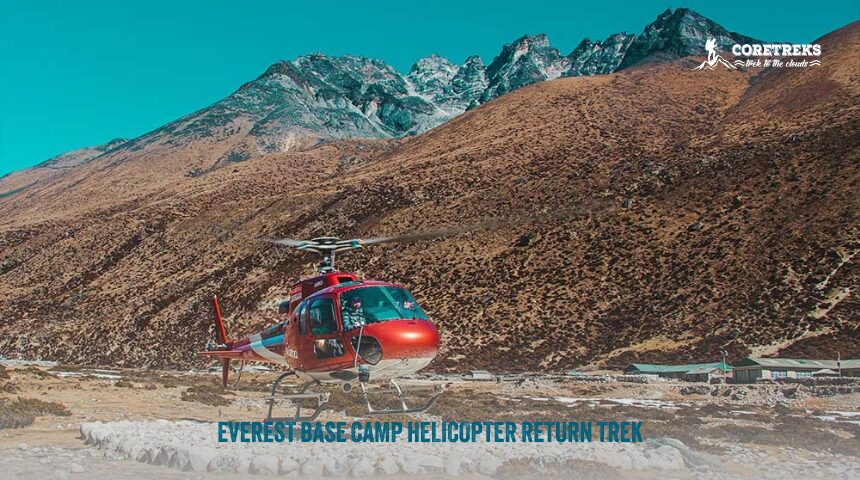
Staying healthy and fit is one of the strongest safety steps for the Everest Base Camp trek because the trail demands 5-8 hours of walking each day for almost two weeks. Most trekkers succeed when they train for at least 2-3 months, stay hydrated with 3-4 litres of water daily. Also, check with health authorities like the Centers for Disease Control and Prevention (CDC) for recommended vaccinations for Nepal, which may include Tetanus, Hepatitis A, Typhoid, and others. Health checks, a simple first-aid kit, and insurance that covers helicopter rescue are basic but essential protections in the remote Khumbu region. If you have health concerns, want a faster return, or prefer to avoid long trekking hours, you can choose EBC trek with helicopter return, ensuring a safer and more comfortable journey.
Mental Preparation to Build Confidence for the Trek
Mental strength is just as important as fitness on the trek because long days, changing weather, and altitude can challenge even well-trained trekkers. Simple habits like breaking each day into small goals, practicing calm breathing, and keeping a flexible mindset help reduce stress and keep you focused. Cultivate a positive mindset. Replace negative thoughts “I can’t do this” with empowering affirmations “I am strong, I am prepared, I can take the next step“.
I never thought I’d get the chance to see Mt. Everest up close, but CoreTreks Nepal made it happen with their amazing helicopter tour.
The trip was unforgettable and gave me memories I’ll always hold close. I’m really thankful to CoreTreks Nepal for putting together such a beautiful experience.
I never thought I’d get the chance to see Mt. Everest up close, but CoreTreks Nepal made it happen with their amazing helicopter tour.
The trip was unforgettable and gave me memories I’ll always hold close. I’m really thankful to CoreTreks Nepal for putting together such a beautiful experience.
My week-long trip to Nepal was absolutely unforgettable. Even though my time to explore the Himalayan Mountains was short, taking the Everest Helicopter Flight and landing at Everest Base Camp made my dream a reality. The journey was beyond incredible! The uninterrupted views of the towering peaks, with Mt. Everest standing proudly in the distance, left me in awe. And to make it even more special, having a delicious breakfast at the Everest View Hotel added a magical touch to this already amazing adventure.
My week-long trip to Nepal was absolutely unforgettable. Even though my time to explore the Himalayan Mountains was short, taking the Everest Helicopter Flight and landing at Everest Base Camp made my dream a reality. The journey was beyond incredible! The uninterrupted views of the towering peaks, with Mt. Everest standing proudly in the distance, left me in awe. And to make it even more special, having a delicious breakfast at the Everest View Hotel added a magical touch to this already amazing adventure.
On a chilly spring morning in Nepal, my wife and I set off on an unforgettable adventure to see the mighty Mt. Everest. We chose the exciting Everest Base Camp helicopter flight, and it turned out to be the highlight of our lives. This amazing journey, thanks to Coretreks, wasn’t just the perfect honeymoon but also gave us a chance to truly soak in the breathtaking beauty of the mountains and the whole experience.
On a chilly spring morning in Nepal, my wife and I set off on an unforgettable adventure to see the mighty Mt. Everest. We chose the exciting Everest Base Camp helicopter flight, and it turned out to be the highlight of our lives. This amazing journey, thanks to Coretreks, wasn’t just the perfect honeymoon but also gave us a chance to truly soak in the breathtaking beauty of the mountains and the whole experience.
I recently had the chance to cross something huge off my bucket list, a helicopter tour to Everest Base Camp. It was honestly an incredible experience, bringing so much joy from start to finish. The views were unreal, and I couldn’t believe how close I got to the world’s highest peak. From Kalapathar Hill, the panoramic views of Everest and the surrounding mountains were just breathtaking. It felt like the perfect spot to take in the beauty of it all.
I’m so grateful to CoreTreks Nepal for making this happen. The guides were fantastic—knowledgeable, friendly, and always making sure we were comfortable and enjoying ourselves every step of the way.
I recently had the chance to cross something huge off my bucket list, a helicopter tour to Everest Base Camp. It was honestly an incredible experience, bringing so much joy from start to finish. The views were unreal, and I couldn’t believe how close I got to the world’s highest peak. From Kalapathar Hill, the panoramic views of Everest and the surrounding mountains were just breathtaking. It felt like the perfect spot to take in the beauty of it all.
I’m so grateful to CoreTreks Nepal for making this happen. The guides were fantastic—knowledgeable, friendly, and always making sure we were comfortable and enjoying ourselves every step of the way.
I’m really happy I could do this tour in such a short time. My schedule was super tight, and CoreTreks helped me find the perfect plan.
The helicopter ride was amazing, definitely a once-in-a-lifetime trip. Seeing the Himalayas and Mt. Everest from the air was something I’ll never forget.
Thanks to the team for giving me a great package that worked with my busy days. No complaints at all. I hope to come back again soon.
I’m really happy I could do this tour in such a short time. My schedule was super tight, and CoreTreks helped me find the perfect plan.
The helicopter ride was amazing, definitely a once-in-a-lifetime trip. Seeing the Himalayas and Mt. Everest from the air was something I’ll never forget.
Thanks to the team for giving me a great package that worked with my busy days. No complaints at all. I hope to come back again soon.
Valeria
United States
Keep Electronics Warm
Cold temperatures above 4,000 m can drain batteries unusually fast, even when they show a good charge, because lithium-ion cells lose efficiency in freezing conditions. This makes protecting your electronics an important safety action, not just a convenience. Keeping devices close to your body, storing spare batteries inside your jacket, and sleeping with essentials like your phone or power bank inside your sleeping bag helps maintain their charge.
Emergency Plans and What to Do in a Crisis
While the Everest Base Camp trek is generally safe, knowing emergency protocols helps you stay prepared and confident if something unexpected happens. Carry a well-stocked first-aid kit, including pain relievers, blister treatment, altitude medication like Diamox, and any personal prescriptions. Trekkers should also have reliable communication devices like satellite phones or GPS trackers in areas with limited mobile coverage. Evacuation is possible via helicopter from high-altitude points in case of severe illness or injury, and comprehensive travel insurance covering high-altitude trekking is essential.
Step Beyond Fear and Conquer the Heights
Everest Base Camp trek has challenges, but it is not overly dangerous for well-prepared trekkers. Physical fitness, proper acclimatization, mental strength, and basic safety measures make the journey achievable. Using a guide, keeping electronics warm, and carrying essential medical supplies reduce risks. Understanding altitude, weather, and personal limits guarantees a safe experience. These points explain clearly why Everest Base Camp trek is a rewarding adventure despite the risks.
Aatma Ram Bhatta has been guiding trekkers with CoreTreks since 2016. Mr. Bhatta is a licensed trekking guide (licensed by Ministry of Culture, Tourism and Civil Aviation, Nepal). He was born and raised in Gorkha District – the native of Gurkha soldiers of Nepal. Overall, he has 8 years of experience and has been rated as one of the top guides in our team.
Mr. Bhatta is known for his knowledge about the trekking areas like Langtang Valley Trek, Upper Mustang Trek & Everest Base Camp Trek in Nepal. He is a planner and always ready for possible emergencies while trekking. Our trekkers reviewed him as a great storyteller and have created a long-lasting bond with him over past years.
Related Blogs
Boudhanath Stupa
Boudhanath Stupa is one of the most sacred Buddhist sites in the world. It is a religious site and a cultural hub for pilgrims, especially Tibetan Buddhists. Similarly, it is one of Nepal's largest, 36-meter-high, and 100-meter-wide stupas in the capital city of Kathmandu. The stupa is located just 7 km northeast of central Kathmandu,…
The Everest Base Camp Trek in February is a one-of-a-kind experience that trek enthusiasts must take once. Contrary to many trekkers who believe winter months are unsuitable for Himalayan ventures, trekking in February is doable. It is just the time when the cold winter slowly transitions into the warm spring season. Therefore, trekking on the…
Many of you might be curious about the Manaslu Circuit Trek after earthquake in Nepal and whether it is safe for trekking. Fortunately, yes. The trail that was heavily damaged by the 2015 Nepal earthquake has re-opened. So what are the conditions of the trails, accommodation availability, and risks of Manaslu Circuit Trek after the…
This site uses cookies to optimize your user experience. By using this site, you are consenting to our use of these cookies. Check out our Privacy Policy.