If you are among those who are wondering, Is Everest Base Camp Trek safe, the short answer is “yes.” The Everest Base Camp Trekis not only one of the safest but also one of the most popular trek destinations in Nepal. Every year, thousands of adventurers and trek enthusiasts from around the world take on the trek’s classic trails. The trails are well-established with tea houses and local infrastructures lined along the route. The moderately challenging route is suitable for any trekkers with reasonable fitness. It takes you to the foothill of the world’s highest mountain, Mount Everest, at an elevation of 5,364 m, this Everest Base Camp elevation makes the trek both thrilling and rewarding. Therefore, with proper preparation, pacing, and awareness, 90% to 95% of guided treks are completed successfully.
The Everest trekking safety is also enhanced with the help of proper logistical support, such as experienced guides and porters. Licensed and experienced guides are trained to recognize the symptoms of altitude sickness and provide first aid. Mogearst are even locals of the region and are used to assisting high-altitude treks. Hence, they help to mitigate the Everest Base Camp trek risks and even enhance the trekking experience. Well-planned itinerary, proper acclimatization, expert guides, and the right trekking equipment for the Everest Base Camp trek are keys to a safe and enjoyable trek. In this blog, we will explore more about Everest Base Camp Trek and safety, so make sure you read until the end!
Table of Contents
Why Everest feels safer with expert support & trekking infrastructure?
The well-established trail, infrastructure, support of local communities, and trek companies have made Everest feel safer. A reputable and licensed trekking agency provides professional and government-registered guides, porters, and detailed logistics. They also offer well-curated itineraries with adequate acclimatization days, so even beginners can join the trip safely. Although the accommodations along the Everest Base Camp Trekking are basic, they offer basic facilities and meals for comfortable stops.
Although the trails are clearly marked, having a professional guide makes navigation easier. They have in-depth knowledge of obstacles and challenging sections along the trail. In recent times, there have been improvements in infrastructure like bridges and ropeways. It further helps to minimize the risks. The good combination of human support and physical infrastructure creates a safe environment despite the trek’s challenges. Let us dive more into the expert support and infrastructure:
The guides and porters for the Everest region are trained in high-altitude trekking. Similarly, professional guides are trained in first aid and emergency response, ensuring the trekker’s health and safety. Porters not only relieve the heavy load from trekkers but also offer support. Although they are not professional guides, they have good knowledge of the trail. They can also provide Everest Base Camp Trek emergency tips. Hence, the guides and porters are local experts familiar with rough terrain, weather, and culture. Their help plays a crucial role in making the overall experience smoother and more enriching.
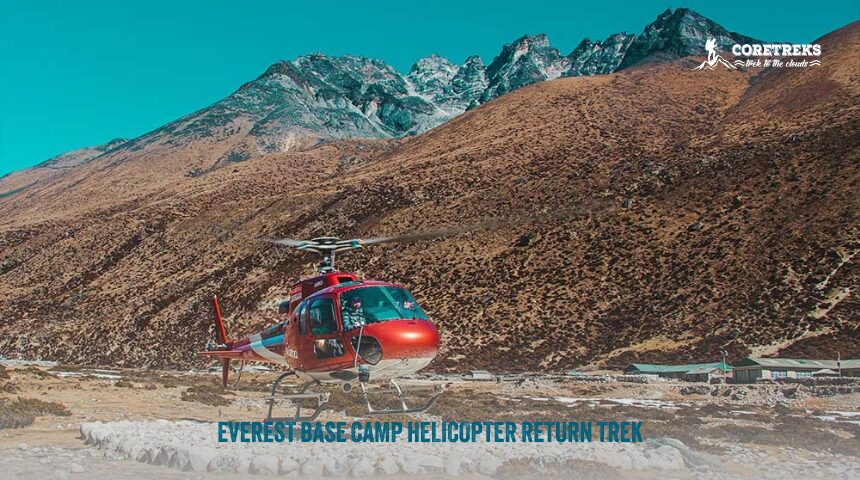
Despite the strong infrastructure, there is a lack of proper medical facilities. So, you might have questions about what happens if you fall sick or are injured. In case of emergencies or severe cases, helicopter evacuation services are available.They are the quickest way to get immediate medical care. The professional rescue teams swiftly respond to the call, usually within hours. So, knowing that these services are in place, trekkers can focus on the journey with peace of mind.
Comfort of Sherpa hospitality
The majority of locals who reside in the higher areas of the Everest region belong to the Sherpa ethnic communities. They are famous mountaineers and also well-known for their unique and warm hospitality.During your Everest Base Camp Trek, you will get to experience the authentic Himalayan hospitality first-hand. You will also get to take a closer look at their culture and traditions. While staying at the local tea houses, you will get a taste of the local delicacies, hear about the local folklore, and gain a deeper understanding of the region. The combination of hospitality, insights, and cultural encounters makes the journey more rewarding.
Access to medical care on the trail
There are health posts in Lukla, Namche Bazaar, Dingboche, and Pheriche. These health posts provide basic to advanced first-line care, including AMS assessment, basic medications, IV fluids, oxygen, and other essential services. The health workers are adept at recognizing early symptoms of altitude sickness and prompt responses. Likewise, they can also help coordinate evacuation when necessary. Access to medical care while on the trail assures the trekkers that they are safe during the trip.
Communication & Technology assistance
Another concern for the trekkers is the communication during the Everest Base Camp Trek. The tea houses and lodges along the trek offer internet services. Trekkers can also get a local SIM and use the mobile network to communicate with their loved ones back home. In higher altitude regions, the connectivity might be poor and limited, but guides carry satellite phones. The availability of communication and technology assistance makes trekkers feel secure while exploring the remote and adventurous trail of the Everest Base Camp Trek.
Everest Base Camp Luxury Trek With Helicopter Return
The Everest Base Camp Trek is a high-altitude and moderate-grade adventure. While on the journey, trekkers have to overcome challenges such as long trekking hours on steep and narrow trails, unpredictable weather conditions, physical strain, and the risk of high altitude sickness at Everest Base Camp. In addition to the physical preparation, trekkers must also make mental preparation. Hence, trekkers must plan properly, prepare, and take strategic acclimatization days.
It can especially be tough for beginners. Hiring a licensed local guide and porter through a reliable agency helps to reduce risks and ensure a safe trekking experience. During the journey, trekkers need to follow proper safety rules and regulations. They must also follow the advice of the experts, i.e., guides and porters. By approaching the Everest Base Camp Trek with proper preparation, precautions, and awareness, trekkers can change the risks into a rewarding and life-changing experience. Here are a few more Everest Base Camp Trek preparation tips:
Stay hydrated and drink plenty of water. Also, eat nutritious meals that keep you energized throughout the journey.
Wear warm and layered clothing. Since the weather changes rapidly, wearing layered clothing helps to regulate body temperature and prevent hypothermia.
Carry proper trekking gear, and use trekking poles that provide stability on uneven trails.
Avoid smoking, caffeine, and alcohol while on trek, as they dehydrate your body and increase the risk of altitude sickness.
Listen to your body and do not push yourself. Be aware of the early symptoms of altitude sickness.
Carry a first aid kit and medicine for altitude sickness, like acetazolamide or Diamox.
The smart approach to trekking
A well-planned itinerary with proper acclimatization and pacing is crucial for safe high-altitude Everest Base Camp trekking. However, trekkers must also understand the trail difficulty, weather patterns, and symptoms of altitude sickness. It allows you to prevent common risks and make the adventure more comfortable. Similarly, trekkers must follow a well-structured plan with strategic rest days, gradual ascents, and stopovers. Here are some more smart ways you can be a part of the adventure confidently:
Acclimatization in Namche Bazaar and Dingboche
The first approach is to schedule acclimatization during the journey. Strategically, Namche Bazaar at 3,440 m and Dingboche at 4,410 m are ideal. They offer a safe altitude to rest before ascending to higher elevations, minimizing the risk of altitude sickness. As you move higher, the air gets thinner and the risk of altitude sickness also increases. Taking rest days at these two stops also helps to enrich the adventure. Take your time and allow your body to adapt to the decreasing oxygen level. Trekkers can immerse themselves in the local culture and enjoy the scenery at this time. It helps to make the Everest Base Camp trek safer and enjoyable.
Choose the right season
Another smart way to approach the trek is by choosing the right season. Spring (March to May) and autumn (September to November) are the two best and safest times for trekking. During these periods, Everest Base Camp weather is at its most stable and favorable, offering clear skies and excellent visibility. The risks of landslides, snowstorms, and avalanches are also minimal. Choosing the right season also allows you to enjoy the best scenery and mountain views. The trail is dry, so the trek experience is smoother and safer. Thus, it is highly recommended for beginners to choose the right season for trekking.
Physical preparation and smart packing
Among the many preparations, physical preparation and smart packing are crucial factors for a safe Everest Base Camp Trek. Trekkers must build the physical fitness necessary to trek 5 to 6 hours on average on rugged terrain. They must undertake cardio and strength-building exercises. For the best result, start 2 to 3 months before the trek. In addition to the physical preparation, smart packing is also necessary. The temperature varies significantly from lower altitudes to higher regions. Hence, trekkers must pack adequately, properly, and smartly. Trekkers will also need the right trekking gear that makes the trek comfortable.
Travel with a reputable company
As mentioned before, traveling with a reputable company or tour operator ensures a safe Everest Base Camp Trekking experience. They provide you with peace of mind and make the entire process stress-free. They will handle all the logistics, leaving you free to enjoy the adventure. By choosing a reputable company like CoreTreks, you are guaranteed expert support, professional care, and a deeper cultural experience. You can be part of the adventure with peace of mind knowing that expert support is always available.
Thrills without compromising safety
You can be part of the heart-pumping hiking to Everest Base Camp without sacrificing your safety. The trail will take you through steep paths, ridges, high suspension bridges, and past glacial moraines. Throughout the journey, the experienced guide and porter will lead the way. They will ensure you are on the right path and following safety measures at all times.
Your own preparation and awareness are also necessary for a successful trek. It allows you to explore the diverse landscapes of the Khumbu region, with windswept ridges, crisp Himalayan air, and snow-capped mountain views, all without worrying about risks or hazards. The perfect balance of adrenaline and safety assurance makes the trek an extraordinary and unforgettable experience. Here are the two most thrilling highlights of the Everest Base Camp trek:
Crossing the Hillary Suspension Bridge
The Hillary Suspension Bridge is one of the iconic landmarks of the Everest region. It lies along the Everest Base Camp trek and is the region’s highest suspension bridge. The bridge is 125 m, spanning from Namche to Jorsalle over the Dudh Koshi River. Crossing the suspension bridge is one of the exhilarating experiences during the trip. As you cross the bridge, you will see a rushing river below and a wide view of the lush valleys and white peaks in the distance. It does sway slightly, but it is completely safe. The structure of the bridge is solid, and it is well-maintained. It will be a truly memorable and Instagram-worthy moment.
Walking beside the Khumbu Glacier
Another exciting highlight that we need to talk about is that you will get to trek alongside the Khumbu Glacier. It is one of Nepal’s largest glaciers with a length of 17 km (10.5 miles). Likewise, it is also one of the highest glaciers in the world. It is an incredible moment walking along the Khumbu Glacier and witnessing its sheer size. You will be stunned by its raw beauty, jagged crevasses, and glistening ice formations. The giant Himalayas add to the breathtaking scenery. As you navigate and walk through the glacier, you can hear the crunch of ice underneath your feet. Do not worry, it is completely safe, and your guide will lead you on the designated trail. This section of the Everest Base Camp trek route will undoubtedly be one of the memorable moments of the journey.
Seeing Mt. Everest up close always felt like a dream I’d never reach, but CoreTreks made it happen. I joined their Everest Base Camp helicopter tour, and it turned out to be one of the most amazing things I’ve ever done. The CoreTreks team made me feel so welcome from the start, and they took great care of everyone on the tour. The helicopter ride was unreal; flying over the mountains and seeing all that beauty was like nothing I’ve ever experienced. When we landed near Everest, I was speechless. The size and beauty of it all were more than I ever imagined. It’s an experience I’ll never forget.
Seeing Mt. Everest up close always felt like a dream I’d never reach, but CoreTreks made it happen. I joined their Everest Base Camp helicopter tour, and it turned out to be one of the most amazing things I’ve ever done. The CoreTreks team made me feel so welcome from the start, and they took great care of everyone on the tour. The helicopter ride was unreal; flying over the mountains and seeing all that beauty was like nothing I’ve ever experienced. When we landed near Everest, I was speechless. The size and beauty of it all were more than I ever imagined. It’s an experience I’ll never forget.
I had the incredible chance to take a helicopter ride to Everest Base Camp, and it’s an experience I’ll never forget. The helicopter landed smoothly on a beautiful helipad, surrounded by the stunning Himalayan peaks. Getting such a close-up view of Mount Everest and the snow-covered mountains was simply breathtaking.
I’m so thankful to CoreTreks for making this amazing trip happen. The views were unforgettable, and the whole experience will stay with me forever. If you’re looking for a unique and awe-inspiring way to see the Himalayas, I highly recommend this tour. It’s definitely worth it and will leave you in complete awe.
I had the incredible chance to take a helicopter ride to Everest Base Camp, and it’s an experience I’ll never forget. The helicopter landed smoothly on a beautiful helipad, surrounded by the stunning Himalayan peaks. Getting such a close-up view of Mount Everest and the snow-covered mountains was simply breathtaking.
I’m so thankful to CoreTreks for making this amazing trip happen. The views were unforgettable, and the whole experience will stay with me forever. If you’re looking for a unique and awe-inspiring way to see the Himalayas, I highly recommend this tour. It’s definitely worth it and will leave you in complete awe.
I just finished the Everest Base Camp trek with Coretreks, and I couldn’t be more thrilled with the whole experience. From the moment I booked the trip to the very end, the Coretreks team was incredible, always there to support and guide us. Our guide was super experienced, making sure we were safe and comfortable every step of the way. The itinerary was well thought out, giving us enough time to adjust to the altitude and enjoy the stunning views. The accommodations and meals were top-notch, even better than I expected.
I highly recommend Coretreks to anyone thinking about doing the Everest Base Camp trek. They made this journey truly unforgettable.
I just finished the Everest Base Camp trek with Coretreks, and I couldn’t be more thrilled with the whole experience. From the moment I booked the trip to the very end, the Coretreks team was incredible, always there to support and guide us. Our guide was super experienced, making sure we were safe and comfortable every step of the way. The itinerary was well thought out, giving us enough time to adjust to the altitude and enjoy the stunning views. The accommodations and meals were top-notch, even better than I expected.
I highly recommend Coretreks to anyone thinking about doing the Everest Base Camp trek. They made this journey truly unforgettable.
Liam Johnson
Canada
What are the risk factors for the Everest Base Camp Trek?
You can see from above that several challenges contribute to the risk factors for the Everest Base Camp trek. The high-altitude and demanding trails are two of the top factors. Similarly, there are other factors like unpredictable weather, rugged terrain, physical strain, and mental exhaustion. Therefore, the proper preparation, along with good trekking boots, layered clothing, and the right gear, allows you to navigate the route safely. Following the safety precautions allows you to reach Everest Base Camp successfully.
Those who are seeking to undertake the Everest Base Camp trek must be in good health and fitness. Trekkers with heart disease, respiratory illness, and other health conditions should take a medical assessment before joining the venture. After the health and fitness assessment, trekkers must also plan their itinerary in a way that fits them the best. Support of an experienced guide and porter is also vital for mitigating the risks associated with trekking. The significant risks of the Everest Base Camp trek and the ways to reduce them are as follows:
Risks
Potential Impact
How to Reduce Risk
Acute Mountain Sickness (AMS)
Headache, nausea, fatigue
Gradual acclimatization, drink water, rest days, and follow the guide’s advice
Physical strain
Exhaustion, dehydration, muscle injury
Train 2-3 months before the trek, pace yourself, stretch regularly, and hire a porter to carry your heavy luggage to reduce the strain
Mental exhaustion
Anxiety, homesickness, demotivation
Mental preparation before the journey, trek with a supportive group/ guide, take a break, stay positive, and practice mindfulness
Choose the right season, carry proper gear, check weather forecasts, and keep contingency days in the itinerary
Limited medical access
Delayed treatment for any injury or illness
Carry your personal first-aid kit, trek with a guide, and research about the nearest medical/ rescue points
Reach the roof of the world safely
We hope this blog answers your query about “Is Everest Base Camp Trek safe” in full detail. The Classic Everest Base Camp Trek is among Nepal’s well-established trekking routes. When you trek with a reliable trekking agency, your every step of the journey becomes less stressful. With the support of the experienced guides, porters, and staff, the entire experience becomes both unforgettable and safe. They not only help to arrange logistics such as accommodations and meals, but they also monitor your health, navigate weather shifts, and trail conditions. Hence, they ensure a safe and enjoyable trek.
The availability of cozy tea houses, emergency facilities, and evacuation offers another layer of comfort and safety to trekkers. The right support and preparation make the journey to the base of the “Roof of the World” a thrilling and realistic achievement. It is also worth noting that the unique blend of adventure, spectacular scenery, and rich culture makes the trek one of the most sought-after destinations. Join this extraordinary and life-changing trip with CoreTreks. Leave the support to us and focus on creating magical memories in the heart of the Himalayas.
Our legal advisor, Milan Shrestha provides advices on legal matters after conducting legal analysis and researching legal matters of the company. His work experience of 16 years in the legal field has allowed him to review legal materials and to formulate formalities regarding settlements of disputes.
Mr. Shrestha has a strong analytical and research skills. His ability to work long hours when needed is often praised by our team at CoreTreks. He joined the team in the year of 2015 and has been helping to protect the company from any arriving legal threats.
Related Blogs
Boudhanath Stupa
Boudhanath Stupa is one of the most sacred Buddhist sites in the world. It is a religious site and a cultural hub for pilgrims, especially Tibetan Buddhists. Similarly, it is one of Nepal's largest, 36-meter-high, and 100-meter-wide stupas in the capital city of Kathmandu. The stupa is located just 7 km northeast of central Kathmandu,…
The Everest Base Camp Trek in February is a one-of-a-kind experience that trek enthusiasts must take once. Contrary to many trekkers who believe winter months are unsuitable for Himalayan ventures, trekking in February is doable. It is just the time when the cold winter slowly transitions into the warm spring season. Therefore, trekking on the…
Many of you might be curious about the Manaslu Circuit Trek after earthquake in Nepal and whether it is safe for trekking. Fortunately, yes. The trail that was heavily damaged by the 2015 Nepal earthquake has re-opened. So what are the conditions of the trails, accommodation availability, and risks of Manaslu Circuit Trek after the…
This site uses cookies to optimize your user experience. By using this site, you are consenting to our use of these cookies. Check out our Privacy Policy.