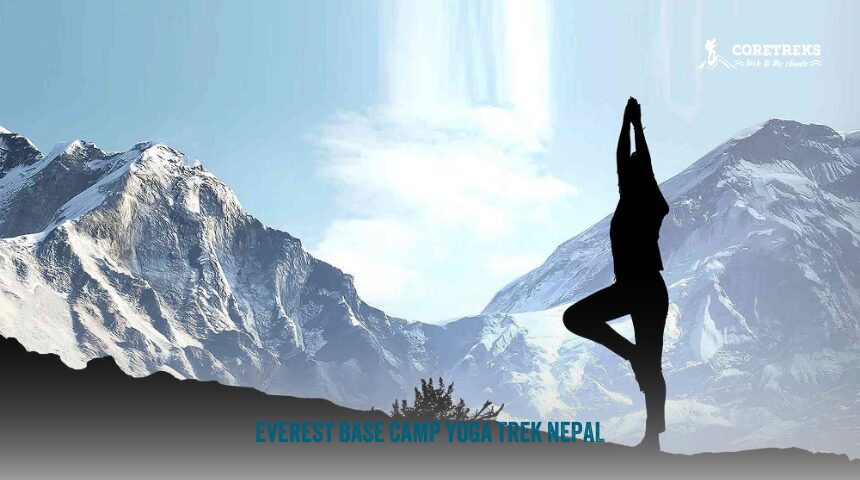
As the title suggests, in this article, we are exploring the various advantages of yoga during trekking and hiking adventures. It has not only physical benefits but also aids in mental preparation. Yoga has proved to be beneficial for improving strength, flexibility, and balance for challenging activities like trekking and hiking. We will delve more into the topic, so stay with us until the end!
Yoga started in India about 5,000 years ago and has many benefits for people who go on trekking adventures. This ancient exercise regimen significantly emphasizes building strength, enhancing flexibility, and mastering breath control, contributing to both physical and mental well-being. These qualities prove invaluable when preparing to conquer higher altitudes during treks.
In contemporary times, yoga has gained widespread popularity across the globe, attracting individuals of all ages. Its universal appeal lies in its ability to instill discipline and help individuals stay committed to their objectives, making it an ideal complement for adventurous travelers.
In the following discussion, we will delve into the myriad benefits that yoga bestows upon trekkers, demonstrating its role as a valuable asset for those seeking thrilling and challenging journeys.
Table of Contents
Yoga: Your Companion for Thriving in Trekking Adventures
Trekking often leads adventurers to diverse and challenging terrains, varying climates, and fluctuating altitudes, which can pose adaptation challenges for the body. In such scenarios, yoga emerges as a valuable ally, facilitating rapid adjustment to these new environments. Through foundational stretching and controlled breathing techniques, yoga helps trekkers acclimatize to higher altitudes and prepare for their journey by enhancing strength, balance, and flexibility.
Tough Trek, but Full of Laughs
The idea to climb Yala Peak actually started as a joke between friends. We were looking at info about the Himalayas online. Most people talked about Everest, but we wanted to try something different so we picked Yala Peak.
A few weeks later, we flew to Nepal and made it happen. The climb through Langtang and nearby villages was tough, but so worth it. We filmed everything and can’t wait to share it after editing.
Thanks to CoreTreks for helping us with everything—hotels, bookings, and more. Their guiding team was awesome and super professional. Definitely book with CoreTreks if you’re heading to Nepal.
The idea to climb Yala Peak actually started as a joke between friends. We were looking at info about the Himalayas online. Most people talked about Everest, but we wanted to try something different so we picked Yala Peak.
A few weeks later, we flew to Nepal and made it happen. The climb through Langtang and nearby villages was tough, but so worth it. We filmed everything and can’t wait to share it after editing.
Thanks to CoreTreks for helping us with everything—hotels, bookings, and more. Their guiding team was awesome and super professional. Definitely book with CoreTreks if you’re heading to Nepal.
Jakub & Julia
Poland
Furthermore, incorporating pre-hike yoga warm-up routines contributes to a calm and composed mental state, reducing the likelihood of muscle cramps and soreness during the trekking experience.
Yoga also plays a crucial role in bolstering lung capacity—a vital asset when oxygen levels diminish in high-altitude trials. Practicing various breathing techniques in yoga enables trekkers to remain calm, conserve energy, and maintain adequate oxygen levels, ultimately facilitating a smoother journey.
In the face of physical discomfort, such as back pain resulting from extended walks while carrying backpacks, yoga offers relief through simple yet effective postures, helping to manage discomfort and maintain a positive outlook.
Beyond its physical benefits, yoga plays a pivotal role in boosting confidence during trekking expeditions. It helps beginners find their hidden strength and use it well, giving them more confidence, even for solo female hikers.
Additionally, yoga’s stress management abilities prove invaluable when confronted with unexpected challenges during treks. Promoting a composed and clear mindset aids in problem-solving and ensures restful sleep after demanding journeys.
To enjoy these benefits, trekkers can add simple daily yoga moves, basic poses, and breathing exercises to their routine. Two notable practices include:
This basic yoga breathing technique enhances lung capacity and reduces breathlessness. It involves alternating nostril breathing, a practice suitable for trekkers of all age groups. Practicing Anulom Vilom in the morning not only aids in breath control but also aids in stress management and headache relief.
Savasana (Corpse Posture):
Savasana (Corpse Posture)
Savasana, a relaxation pose where you lie on your back with your limbs outstretched, helps clear the mind and facilitates deep breathing. This posture proves beneficial in relieving mild depression, high blood pressure, mild headaches, fatigue, and sleep difficulties—common challenges encountered in unfamiliar mountain environments.
Physical Benefits Of Yoga For Trekkers
Let’s explore the physical advantages of yoga during trekking and hiking:
Improved Flexibility and Mobility: Yoga helps stretch and lengthen your muscles, enhancing your flexibility and mobility. It helps with steep climbs, trekking on uneven terrains, and taking long strides.
Enhanced Strength and Endurance: Practicing yoga also strengthens your core, legs, and upper body. It also improves the stamina and endurance for long treks or hikes with a heavy backpack on your back.
Injury Prevention: It also improves your body’s balance and posture. Similarly, yoga prepares the body for strain on joints and muscles, reducing the risk of common trekking injuries.
Faster Recovery: Yoga aids in better blood circulation. It reduces muscle soreness and helps to release tension. Thus, it helps in faster recovery by reducing soreness and stiffness after long hiking days.
Mental and Emotional Advantages
As mentioned before, yoga also helps in mental preparation for trekking and hiking. Take a look at the various mental and emotional advantages:
Mindfulness and Presence: Yoga helps train the mind and increase awareness of one’s surroundings. It allows you to be present in the moment and connect with the surroundings, which enhances the trekking experience.
Stress Reduction: Trekking and hiking in unfamiliar territory can be a stressful experience. There can also be unexpected challenges. Practicing yoga helps to calm anxiety and reduce stress before or during challenging routes.
Emotional Balance: Mental fatigue is real while taking multi-day trekking or hiking adventures. Yoga helps to manage mental fatigue and balance your emotions. It is especially advantageous for those on long treks or high-altitude trails.
Yoga and Altitude Acclimatization
The human body struggles to function and breathe during high-altitude treks due to high elevations. Yoga is also beneficial for altitude acclimatization. Here is how it can be used:
Breath Control: Pranayama is a yoga practice that involves deep and controlled breathing. Hence, it helps you control your breath, improve oxygen intake, and utilize it more efficiently at higher altitudes. It reduces the risk of altitude sickness.
Meditation and slow breathing: Meditation helps calm the nervous system. It calms you, reduces stress and anxiety, and aids in minimizing the risk of altitude-related sickness.
Gentle Movement: Yoga enhances your flexibility and balance. The gentle movement improves circulation support in thin air.
Ideal Times and Places to Practice Yoga While Trekking
Now that we know the advantages of yoga during trekking and hiking adventures, let’s understand the ideal times and places for practicing it. You might wonder whether it is necessary? Absolutely! Practicing at the right time and right place allows you to maximize yoga’s benefits. Take a look:
Morning warm-ups before trekking: Starting your day with yoga is an excellent way to wake up your body. Similarly, it helps to loosen the stiff muscles and calm you before the trek ahead.
Evening stretches at the Campsite or Teahouses: You can also practice yoga after a long trek and hike during the day. It helps to recover your muscles and relieve tension. Likewise, you can sleep better.
Rest day routes on multi-day treks: During rest days, you can practice yoga. It helps in recovery and acclimatizing to your surroundings. It also maintains your flexibility and balances your energy.
Practicing in nature: Consider practicing yoga in natural settings, such as near a forest, a river, or mountain ridges. It allows you to connect with nature and be mindful of your surroundings.
Simple Yoga Poses for Trekkers
Here are some simple yoga poses for trekkers:
Downward Dog
The Downward Dog stretches your back, calves, hamstrings, and overall body. You firmly press your hands and feet on the ground while forming an inverted “V” shape with your body. It refreshes you and boosts your energy. The pose is perfect for relieving tension after a long day’s hike or trek.
Low Lunge
Another simple yoga pose for the trekkers is the Low Lunge. You keep one knee on the ground and put another foot forward with a knee bent at a 90-degree angle. It opens up tight hips and provides relief for the quads. Likewise, it prevents stiffness caused by long hours of trekking or hiking.
Cat-Cow Pose:
A Woman Doing The Cow Pose
The Cat-Cow yoga pose aids in spine flexibility and torso, shoulder, and neck stretching. By doing this simple practice for at least one minute, trekkers can keep their bodies flexible during the trip.
Mountain Pose with Breathwork
The Mountain pose with breathwork is a simple but powerful yoga practice for grounding and mindful breathing. You stand firmly on the ground with your shoulders relaxed and your arms by your side or overhead. It improves your balance and also boosts your oxygen flow.
Combining Yoga and Trekking
You can combine yoga and trekking to create a balanced and enhancing experience. Yoga helps your body better combat the physically challenging trails and terrain. It also builds mental resilience and reduces stress. The improved flexibility, balance, and breathing technique are especially beneficial for multi-day and high-altitude treks.
There are also structured yoga trekking programs that combine yoga and trekking with professional guidance. These programs include meditation and other yoga practices that support both physical and mental well-being throughout the journey. It also fosters a sense of support and bonding among fellow tekkers. You can join these programs, practice yoga in nature, and get a deep sense of adventure as well as mindfulness. Each day will be an exciting adventure and a meaningful journey.
In summary, yoga serves as a steadfast companion during trekking and hiking endeavors. Its capacity to bolster strength, stamina, and adaptability, coupled with its accessibility and simplicity, makes it a highly recommended addition to any trekker’s toolkit. You do not have to start with something big. Start with small poses and easy techniques, and gradually adapt yoga to your own trekking style.
By integrating these yoga techniques into your trekking routine, you not only enhance your trekking experience but also reap enduring benefits for your everyday life. Yoga will aid in a stronger body, a calmer mind, and a deeper connection to nature. We hope you find this article on advantages of yoga during trekking and hiking adventure useful for your future venture. Thank you for reading!
Mr. Bhatta started as trekking guide and is now a successful travel operator in Nepal. He is an environmentalist, committed to promote Ecotourism in Nepal. Mr. Bhatta has been engaged in improving the livelihood of residence of The Himalayas through Helping Hands for Himalayan People (HHHP Nepal) a non-profit organization built to improve living standard of the local community.
Boudhanath Stupa is one of the most sacred Buddhist sites in the world. It is a religious site and a cultural hub for pilgrims, especially Tibetan Buddhists. Similarly, it is one of Nepal's largest, 36-meter-high, and 100-meter-wide stupas in the capital city of Kathmandu. The stupa is located just 7 km northeast of central Kathmandu,…
The Everest Base Camp Trek in February is a one-of-a-kind experience that trek enthusiasts must take once. Contrary to many trekkers who believe winter months are unsuitable for Himalayan ventures, trekking in February is doable. It is just the time when the cold winter slowly transitions into the warm spring season. Therefore, trekking on the…
Many of you might be curious about the Manaslu Circuit Trek after earthquake in Nepal and whether it is safe for trekking. Fortunately, yes. The trail that was heavily damaged by the 2015 Nepal earthquake has re-opened. So what are the conditions of the trails, accommodation availability, and risks of Manaslu Circuit Trek after the…
This site uses cookies to optimize your user experience. By using this site, you are consenting to our use of these cookies. Check out our Privacy Policy.