Dreaming of a winter wonderland walk? Nepal’s Himalayas turn into a magical snowy landscape from December to February. But can you actually trek there during this time? The answer is a thrilling yes!
While higher altitudes become a hiker’s snowy paradise, many popular trekking routes at lower elevations remain mostly clear or have manageable snow cover. This opens the door to a truly unique trekking experience, unlike anything you’ll find in other seasons.
Winter treks offer the chance to walk along quieter paths, creating a sense of solitude amid serene snow-covered landscapes. Imagine vast white expanses, frozen lakes mirroring snow-capped mountains – a dream come true for every photographer.
However, winter also presents physical challenges with snow and harsh weather, building mental toughness and overall fitness. It’s a rewarding experience that pushes your limits, revealing the stunning mountain scenery at its absolute best.
Table of Contents
Presenting the 5 Best Snow Treks in Nepal
Fun Family Trip Across Nepal
My family and I had a great time in Nepal. It’s such a beautiful country, with the Himalayas standing tall and proud. We started with a one-hour scenic mountain flight that gave us amazing views of the snow-covered peaks.
In Kathmandu, we visited UNESCO cultural sites and watched the sunrise from Nagarkot, which was really peaceful. We also went on a jungle safari in Chitwan and had so much fun.
Thanks to CoreTreks and their team for making everything easy and enjoyable. If you’re planning a family trip, we truly recommend them.
My family and I had a great time in Nepal. It’s such a beautiful country, with the Himalayas standing tall and proud. We started with a one-hour scenic mountain flight that gave us amazing views of the snow-covered peaks.
In Kathmandu, we visited UNESCO cultural sites and watched the sunrise from Nagarkot, which was really peaceful. We also went on a jungle safari in Chitwan and had so much fun.
Thanks to CoreTreks and their team for making everything easy and enjoyable. If you’re planning a family trip, we truly recommend them.
Manfred
Germany
In our pursuit of offering an unparalleled winter trekking experience, we’ve curated a list of low-altitude treks characterized by minimal snow cover. These routes boast daytime temperatures that are comfortably moderate, though the nights can be crisp, with temperatures dropping to approximately 0 degrees Celsius.
Ghorepani Poon Hill Trek
Mount Everest Panorama View Trek
Mardi Himal Trek
Langtang Valley Trekking
Langtang Gosaikunda Trek
Nepal’s Winter Wonderland: December to February
Nepal’s winter months, December to February, ushering in a season of cool breezes and distinct weather patterns. The Terai lowlands become pleasantly cool in winter, with daytime temperatures of 15–20°C, bringing lush green fields under warm sunshine, a welcome relief from summer heat.
As you ascend towards the Kathmandu Valley, winter’s touch intensifies. Days are comfortably warm, ranging from 10°C to 18°C, but nights can be crisp, often dipping below freezing. This is where the true magic unfolds Venture into the majestic Himalayas, where sub-zero temperatures and heavy snowfall turn the peaks into a dazzling snowy wonderland.
Benefits of Winter Trekking in Nepal
Winter turns Nepal’s trails into peaceful pathways lined with fresh snow. Imagine traversing trails blanketed in white, culminating in the mesmerizing sight of a frozen Tilicho Lake – a sight exclusive to the winter season.
Frozen Tilicho Lake
Beyond the captivating scenery, winter offers a multitude of advantages for trekkers. Unlike peak seasons, you’ll encounter fewer crowds on popular routes like Everest Base Camp (EBC), Annapurna Base Camp (ABC), and Langtang. This translates to a more serene and intimate experience, allowing you to truly connect with the tranquility of the mountains and immerse yourself in the charm of quaint villages along the way.
Winter also presents a budget-friendly opportunity. Reduced demand often leads to discounted rates for accommodation and meals on the trek. Additionally, the stable weather conditions with less rainfall and clear skies ensure better visibility, allowing you to witness the majestic Himalayas in all their glory.
For wildlife enthusiasts, winter offers a unique opportunity. The snow acts as a canvas, revealing the footprints of elusive snow leopards. With higher-altitude animals venturing down in search of food, the chances of encountering rare wildlife increase significantly.
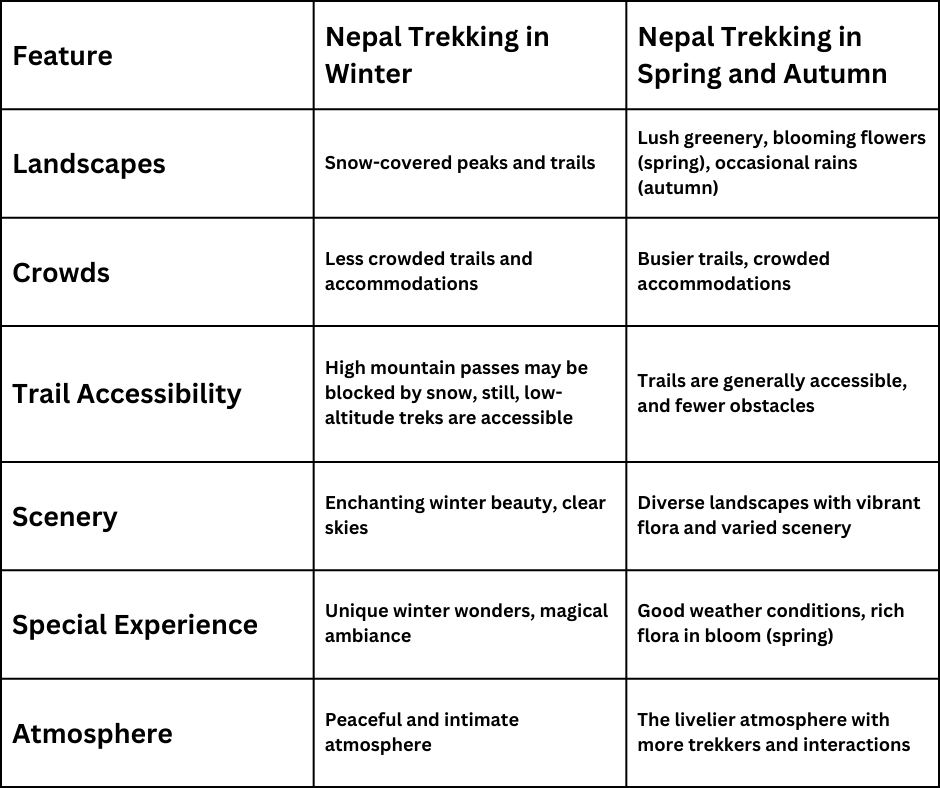
Winter Treks vs. Fall and Spring Season Treks in Nepal
While the allure of spring, summer, and autumn treks in Nepal is undeniable, choosing a winter trek promises a distinctive and enchanting adventure.
Embrace the challenges of the colder months, and you’ll find yourself immersed in an outstanding experience that sets itself apart from the rest. Here are some distinctive features you’ll notice if you opt for winter treks over treks in other seasons in Nepal:
Other Peak Trek Seasons Spring And Autumn
Best Snow Trekking Routes for Winter in Nepal
A winter trek in Nepal offers a distinctive and peaceful experience with snowy landscapes, cultural encounters, and more budget-friendly options. Below, explore some of the popular winter treks in Nepal, each with its significant highlights and reasons why they are particularly ideal during the winter months.
Ghorepani Poon Hill Trek
Trek Region
Annapurna Region
Trek Duration
8 Days
Trek Difficulty
Easy
Elevation Gain
3,210 meters, Poon Hill
Starting.Ending Point
Nayapul/Ghandruk
Highlights
Pokhara, Ghorepani Village, wide mountain views from Poon Hill, and the soothing hot springs at Jhinu Danda await travelers.
Average Temperatures
-2°C to 10°C
The Ghorepani Poon Hill Trek stands out as one of the most renowned short family treks in Nepal, offering an accessible and enjoyable journey suitable for all ages and feasible throughout the year.
Sunrise From Poon Hill
This trek guides you to Poon Hill, a vantage point situated at an elevation of 3,210 meters in the Annapurna region. In winter, the sunrise from Poon Hill is especially captivating, with the snow-capped peaks radiating a golden glow in the early morning light.
Forests that are usually green shift into snow-covered sanctuaries during winter, offering a calm trekking atmosphere. The winter season enhances the trek further with a reduced number of fellow trekkers, allowing for a peaceful and intimate connection with nature.
Everest View Trek
Trek Region
Khumbu Region
Trek Duration
7 Days
Trek Difficulty
Moderate
Elevation Gain
3,960 meters, Hotel Everest View
Starting/Ending Point
Lukla
Highlights
Sherpa culture and lifestyle enrich the journey, while the sunrise from Hotel Everest View provides clear sights of the Everest Himalayan range.
Average Temperatures
-2°C to 10°C
The Everest View Trek is one of the shorter and more accessible routes in Nepal’s Everest region, offering stunning mountain views without the intensity of a longer trek.
The region takes on an entirely different character, with snow creating a quiet wonderland. The journey commences with an exhilarating flight to Lukla, leading you through captivating Sherpa settlements, including the iconic Namche Bazaar.
Everest Base Camp Helicopter Tour
The pinnacle of this trek is the hike to Hotel Everest View, where you witness the best sunrise views set against a backdrop of clear blue skies and snow-capped peaks.
The Everest View Trek unfolds dramatic sights of towering mountains such as Everest, Lhotse, Thamserku, Ama Dablam, and more.
For those familiar with the bustling trails of the Everest region during peak trekking seasons, the winter experience brings a refreshing change. Winter treks offer a tranquil escape from the hustle and bustle, allowing you to connect with local communities and savor nature at your own unhurried pace.
Mardi Himal Trek: Winter Charm
Trek Region
Annapurna Region
Trek Duration
11 Days
Trek Difficulty
Moderate
Elevation Gain
4,500 meters, Mardi Himal Base Camp
Starting/Ending Point
Phedi/Lumre
Highlights
Off-the-beaten trekking trails, cascading waterfalls, streams, rivers, lush green forests, and Gurung culture
Average Temperatures
-3°C to 15°C
The Mardi Himal Trek is another captivating short trek that promises rich cultural experiences. The trail meanders through terraced fields, bamboo forests, and enchanting Magar and Gurung villages.
The highlight of this trek is the sunrise at Mardi Himal Base Camp, offering open views of the Annapurna and Dhaulagiri ranges. Illuminated by the soft, warm hues of the early morning sun, the sight mesmerizes.
Despite Mardi Himal being adjacent to the popular Annapurna Base Camp trails, it offers a distinct experience. In winter, you can enjoy close-up views of snow-covered peaks, including the Annapurna range, Machhapuchhre, Dhaulagiri, and others.
Significantly, most of the trek route lies at altitudes below 4,000 meters, making it an excellent choice due to the dry and warm weather conditions. The trek’s highest point is the Mardi Himal Base Camp, at 4,500 meters above sea level.
Langtang Valley Trek: Winter Serenity
Trek Region
Langtang Region
Trek Duration
10 Days
Trek Difficulty
Easy, Moderate
Elevation Gain
3,800 meters, Kyanjin Gompa
Starting/Ending Point
Syabru Besi
Highlights
Kyanjin Gompa, Tamang Culture, Langtang Valley, Kyanjin Ri, Majestic view of Langtang Lirung, Ganesh Himal, Langtang Himal
Average Temperatures
-2°C to 10°C
The Langtang Valley Trek stands as one of the premier trekking experiences in Nepal, and during winter, it unveils a serene calmness along the Langtang trail.
Commencing from Langtang National Park and weaving through the pristine Langtang valley, the trek concludes at Kyanjin Gompa, situated at 3,800 meters. This village is a gateway for additional explorations, including visits to the glacial valley of Langshisha Kharka, Nepal’s oldest Yak cheese factory.
Langtang, often alive with greenery, changes in winter as snow blankets the path, making it tranquil and undisturbed.
Moreover, there’s an option for a side hike to mesmerizing viewpoints such as Kyanjin Ri (4,773 m) and Tserko Ri Peak (4,985 m). It’s important to note that while these peaks are ideal for climbing during autumn and spring, winter presents additional challenges, requiring proper gear and equipment. Though the route presents challenges, the views afterward provide an unmatched reward.
Winter imparts exceptional beauty and tranquility to the Langtang region, offering a perfect escape for those seeking a quieter and more reflective trekking experience.
Langtang Gosaikunda Trek: Winter Adventure
Trek Region
Langtang Region
Trek Duration
9 Days
Trek Difficulty
Moderate
Elevation Gain
4, 380 meters, Gosaikunda Lake
Starting/Ending Point
Syabrubesi/ Dhunche
Highlights
Langtang National Park, Majestic view of Langtang Range, Langtang village, Kyanjin Gompa, Kyanjin Ri Peak, and Scared Gosaikunda Lake
Average Temperatures
4°C to 10°C
The Langtang Gosaikunda Trek offers another adventurous option to explore during the winter months. Leading you through the Langtang National Park, renowned for its rich biodiversity, this trek promises a captivating experience.
Enjoy the majestic vistas of Langtang Lirung, Dorje Lakpa, Yansa Tsenji, Naya Kanga, Kimsung, and more, along with the pleasure of witnessing staggering glaciers, including the magnificent Lirung and Kim Sung glaciers.
A notable highlight of the trek is the visit to the sacred Gosaikunda Lake. Sacred lakes freeze over, becoming natural spectacles worth witnessing.
While occasional light snowfall may occur in January, it generally doesn’t disrupt your trek. Instead, the sight of frozen lakes, forests, snow-clad hills, and the gentle fall of snow create a magical and enchanting landscape, adding a special charm to your trekking journey.
Winter Trekking Tips for a Safe and Enjoyable Experience
Undoubtedly, winter treks in Nepal present unique challenges, as discussed above. Follow these tips to ensure a safe, enjoyable, and memorable winter trekking experience:
Keep an Eye on Weather Forecasts: Check the weather forecast before your trek and plan accordingly. Ensure you have the right gear and clothing for the expected conditions.
Trek with a Professional Guide: It is never advisable to take on a solo winter trek. Always trek with a local professional guide or as part of a group on winter treks in Nepal. Local guides can assist when the trekking route is obscured by snow, and they can help pre-book accommodation, especially since many tea houses may be closed.
Pack Light and Smart: While winter demands additional layers and gear, aim for a smart and lightweight backpack. Efficient packing ensures you have what you need without unnecessary weight.
Dress in Layers: Layering is crucial for regulating body temperature. Utilize a base layer made of moisture-wicking material, a middle layer for insulation, and an outer layer that is wind- and water-resistant. Dressing in layers facilitates adapting to changing weather conditions.
Protect Your Body Parts from the Cold: Safeguard your body from the cold by ensuring warmth for your hands, feet, and head. Wear fleece gloves, insulated socks, and a hat for extra warmth. Choose specialized clothing and gear designed for cold weather.
Stay Hydrated and Nourished: Despite the cold, ensure you stay hydrated. Dehydration can be a concern, especially if you are sweating under layers of clothing. Consume enough water and nourishment to maintain energy levels during the trek.
Use Trekking Poles and Gaiters: Trekking poles provide balance and stability on slippery or uneven terrain. They can also help reduce strain on your legs and knees. Gaiters for shoes are optional but can be useful when there is deep snow on the trail.
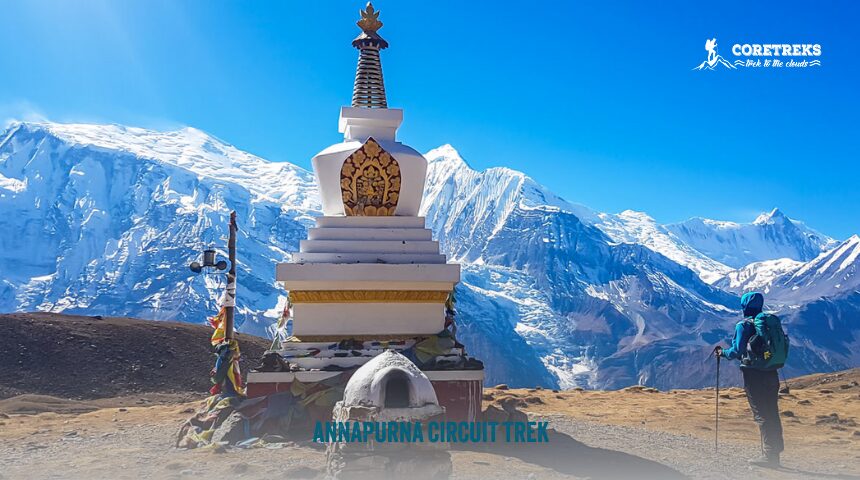
Don’t Go Too High: Be mindful of altitude; avoid high-altitude treks like Annapurna Circuit, Everest Base Camp with Three Passes Trek, Manaslu Circuit, etc., during winter. Heavy snowfall can block high mountain passes, and temperatures may drop significantly at night.
Why CoreTreks is the Right Choice for Every Winter Trek
1. Local Expertise: CoreTreks is a local trekking company with extensive experience operating in Nepal. Our team comprises experienced and knowledgeable local guides who possess a deep understanding of the region. Their insights into local culture and traditions enhance the overall trekking experience.
2. Safety: Winter treks in Nepal demand careful planning and precautions. CoreTreks is dedicated to ensuring the safety and well-being of our clients. We take all necessary measures to guarantee a safe and enjoyable trekking experience, prioritizing the health of our trekkers.
3. Responsible Tourism: We are committed to practicing responsible tourism. Collaborating closely with local communities, we strive to minimize the environmental impact of our treks and contribute significantly to the local economy. Our approach ensures a responsible and positive relationship with the regions we travel through.
4. Personalized Services: At CoreTreks, we treat our clients’ tours as if they were our own. We provide personalized services, tailoring the itinerary to meet individual needs and preferences. Our commitment to personalized attention ensures that each trekker has a memorable and unique experience in Nepal.
Final Words: Choosing CoreTreks for your winter trek in Nepal is an invitation to explore the Himalayas in their purest and most serene form. Winter offers a unique opportunity to traverse the lower trekking trails, surrounded by pristine snow-capped peaks and crystal-clear blue skies.
Our winter treks not only provide an escape to enjoy the tranquility of the mountains but also offer a chance to witness unparalleled natural beauty, forge genuine connections with the local communities, and experience the thrill of adventure amid the snow-covered wilderness.
A winter trek with CoreTreks is more than just a journey; it leaves a lasting impression of the majestic Himalayas on both body and soul.
Mr. Bhatta started as trekking guide and is now a successful travel operator in Nepal. He is an environmentalist, committed to promote Ecotourism in Nepal. Mr. Bhatta has been engaged in improving the livelihood of residence of The Himalayas through Helping Hands for Himalayan People (HHHP Nepal) a non-profit organization built to improve living standard of the local community.
Boudhanath Stupa is one of the most sacred Buddhist sites in the world. It is a religious site and a cultural hub for pilgrims, especially Tibetan Buddhists. Similarly, it is one of Nepal's largest, 36-meter-high, and 100-meter-wide stupas in the capital city of Kathmandu. The stupa is located just 7 km northeast of central Kathmandu,…
The Everest Base Camp Trek in February is a one-of-a-kind experience that trek enthusiasts must take once. Contrary to many trekkers who believe winter months are unsuitable for Himalayan ventures, trekking in February is doable. It is just the time when the cold winter slowly transitions into the warm spring season. Therefore, trekking on the…
Many of you might be curious about the Manaslu Circuit Trek after earthquake in Nepal and whether it is safe for trekking. Fortunately, yes. The trail that was heavily damaged by the 2015 Nepal earthquake has re-opened. So what are the conditions of the trails, accommodation availability, and risks of Manaslu Circuit Trek after the…
This site uses cookies to optimize your user experience. By using this site, you are consenting to our use of these cookies. Check out our Privacy Policy.