Annapurna Circuit Trek is one of the most popular treks in Nepal. With amazing views of snowy mountains, waterfalls, and traditional villages, it’s easy to see why this trek is popular with adventure lovers. But when is the Best Time for Annapurna Circuit Trek? Let’s explore each season and find out.
Being a popular trekking route in Nepal, the Annapurna Circuit attracts thousands of trekkers yearly. The trek gives you beautiful views of the Annapurna mountains, different landscapes, and a chance to learn about the local culture. As you trek through the Annapurna Circuit, you will encounter various terrains, including lush forests, barren hills, and snow-covered peaks.
The trek typically takes around 18-21 days to complete, and each day offers a new and exciting experience. You will pass through traditional villages and observe the unique lifestyles of the locals. The hospitality of the locals is exceptional, and you will be welcomed with open arms in their guesthouses and tea houses.
Choosing the right time to take the Annapurna Circuit Trek further enhances the experience and makes it more rewarding. Let’s delve more into the best time for taking this classic trek of the Annapurna region!
Table of Contents
Winter (December to February )
Worth The Effort
It was a really long trip but on accomplishing it, I feel really happy. The country is as beautiful as they explained in the magazines. I had been planning for this trip for like two and a half years and now that I have finally experienced by myself, I can say that this is the best travel destination in the world for travelers.
Our trek to Nar Phu along with the Annapurna Circuit was worth the effort. We trekked for like 21 days and had a really fun time in Nepal. The people are so humble and down to earth. It makes your whole day better.
CoreTreks helped us with all the management of our trip. We are really thankful that we get to experience such wonderland. Thanks to the professional guides for helping us through the trials of the mountain. Highly recommended if you’re looking for trekking in Nepal.
It was a really long trip but on accomplishing it, I feel really happy. The country is as beautiful as they explained in the magazines. I had been planning for this trip for like two and a half years and now that I have finally experienced by myself, I can say that this is the best travel destination in the world for travelers.
Our trek to Nar Phu along with the Annapurna Circuit was worth the effort. We trekked for like 21 days and had a really fun time in Nepal. The people are so humble and down to earth. It makes your whole day better.
CoreTreks helped us with all the management of our trip. We are really thankful that we get to experience such wonderland. Thanks to the professional guides for helping us through the trials of the mountain. Highly recommended if you’re looking for trekking in Nepal.
Gustav
United States
Annapurna Circuit Trek in the winter season can be a challenging yet immensely rewarding experience.
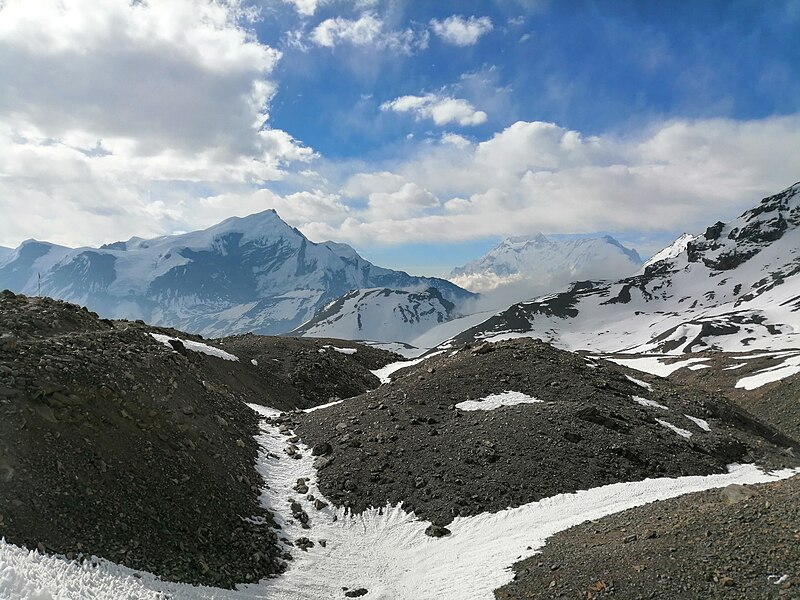
However, trekking in the winter season adds a new level of difficulty to the trek. The winter season in the Annapurna region usually starts in December and lasts until February. During this time, the temperatures can drop to sub-zero levels, and the trail can be covered with snow and ice, making it challenging to navigate.
Despite the challenges, trekking to the Annapurna Circuit in the winter season has its advantages. The trail is relatively less crowded, offering a more peaceful and secluded experience. The views of the snow-capped mountains are even more stunning against the clear blue winter skies. Moreover, the winter season is also an excellent time to observe and experience the local culture and lifestyle of the people living in the region.
On The Way To Thorong La Pass
Trekking in the winter season requires meticulous planning and preparation. Proper clothing, including warm jackets, gloves, and hats, is essential to protect against the cold weather. Trekking poles and crampons are also necessary to navigate the snowy and icy trails. It is recommended to have a guide or join a trekking group, as the trail can be difficult to navigate during the winter season.
Annapurna CircuitTrek in the winter season is a challenging yet rewarding experience. It requires careful planning and preparation, but the stunning views and unique cultural experiences make it all worth it. Winter makes the already beautiful landscape even more stunning, making this trek great for adventure seekers.
Pros of winter trek:
There are very few trekkers on the trail, so you can enjoy a quiet and peaceful Annapurna Circuit trek.
You can enjoy the gorgeous scenery of snow-covered landscapes in the Annapurna region.
The sky is clear, and you can witness spectacular views of the snow-capped mountain vistas.
You can get seasonal discounts on flights and accommodations.
As winter is off-season for trekking, the accommodations are emptier and quieter. Similarly, the services are also better.
Cons of winter trek:
The weather at high altitude can get extreme, and the temperature can drop below the freezing point.
Snow covers the higher elevation trails, making them icy and slippery. Heavy snow can also block high mountain passes.
The daylight hours are shorter, and you have less time for trekking.
Accommodations may close for the winter, so be sure to book one in advance.
Summer (June to August)
Trekking to the Annapurna Circuit in the summer season can be a beautiful and thrilling experience.
The summer season in the Annapurna region usually starts in June and lasts until August. During this time, the trail is lush and green, with blooming rhododendrons (Rhododendron arboretum) and other wildflowers. The weather is generally warm during the day, with occasional rain showers, making the trek even more scenic and refreshing.
Trekking in the summer season offers a unique opportunity to experience the vibrant culture and festivities of the region. The monsoon season in Nepal is marked by several festivals and celebrations, offering a glimpse into the local lifestyle and customs. The locals are also more relaxed and welcoming during this time, making it easier to engage and interact with them.
Kali Gandaki Valley Near Tukuche
However, trekking in the summer season can be challenging due to unpredictable weather and slippery trails. The rain can make the trails muddy and slippery, requiring trekkers to be cautious and take extra care while walking. Proper waterproof clothing, including raincoats and rain pants, is essential to keep dry during sudden downpours.
Annapurna Circuit Trek in summer requires careful planning and preparation to deal with the unpredictable weather, but the lush green landscapes, vibrant festivals, and warm hospitality of the locals make it an unforgettable adventure. If you are up for the challenge, trekking to the Annapurna Circuit during the summer season is a must-do for any adventure enthusiast.
Pros of summer trek:
Summer is off-season, so the Annapurna Circuit Trek trail is less crowded.
The vegetation looks lush and green, and the landscapes look vibrant.
The prices for flights and accommodations are cheaper.
More rooms are available, so there is very little chance of accommodation overcrowding.
It is an excellent time for adventurers looking for a thrilling trekking experience.
Cons of summer trek:
There is frequent rainfall in a hilly region, which makes the trail wet, muddy, and slippery.
There is an increase in humidity and temperature, which can make the trekking experience uncomfortable.
Heavy rain clouds can obstruct the views and visibility. Flights are also more likely to be delayed.
There is a high risk of landslides and flooding. It can also damage the trail.
Lete Village
Spring (March to May)
Trekking to the Annapurna Circuit in the spring season can be an awe-inspiring and rejuvenating experience.
The spring season in the Annapurna region usually starts in March and lasts until May. During this time, the weather is mild and comfortable, and the trail is in full bloom. The lush green forests are dotted with rhododendron and other wildflowers, making the trek even more scenic and beautiful.
Trekking in the spring season offers a unique opportunity to experience the vibrant culture and festivities of the region. The spring season is the time for several festivals, including the Holi festival, which is celebrated with great enthusiasm and colors. The locals are also more active during this time, making it easier to engage and interact with them.
Annapurna And Nilgiri Massifs
However, trekking in the spring season can be challenging due to the unpredictable weather and high altitude. The trek involves crossing several high passes, including the Thorong La Pass, which is at an altitude of 5,416 meters (17,769 feet). Proper acclimatization and physical fitness are essential to avoid altitude sickness and complete the trek safely.
Trekking to the Annapurna Circuit in the spring season is an excellent time to witness the blooming rhododendron forests and other colorful flora. It requires careful planning and preparation to deal with the unpredictable weather and high altitude, but the blooming landscapes, vibrant festivals, and warm hospitality of the locals make it an unforgettable adventure. If you are up for the challenge, trekking to the Annapurna Circuit during the spring season is a must-do for any adventure enthusiast.
Pros of spring trek:
The weather is most favorable, with a mild temperature. It is neither too hot nor too cold, so spring offers a comfortable trekking experience.
Due to the warm temperature after a harsh, cold winter, the flora and fauna are active. It is an ideal time for catching sight of wildlife while trekking.
The entire trail that goes through the rhododendron forests blooms stunningly. Various colorful wildflowers also fully bloom.
The landscapes look stunning and vibrant. It is the best time for photographers to capture mesmerizing shots.
The skies are clear, and you can see wonderful views of the snowy mountain ranges.
Cons of spring trek:
There may be slight snowfall in higher-altitude areas in early spring, and the nights are chilly.
The trails are crowded.
As it is peak trekking season, the costs for flights and accommodations are higher.
Accommodations can get crowded, and you may have to share rooms with other trekkers.
Autumn (September to November)
Trekking to the Annapurna Circuit in the autumn season can be a magnificent and memorable experience.
The Autumn season in the Annapurna region usually starts in September and lasts until November. During this time, the weather is clear and dry, with mild temperatures, making it the best time for trekking. The trail is surrounded by colorful foliage, and the stunning views of the Annapurna range are visible throughout the trek. Trekking in the autumn season offers a unique opportunity to experience the vibrant culture and festivities of the region. The autumn season is the time for several festivals, including the Dashain and Tihar festivals, which are celebrated with great enthusiasm and grandeur. The locals are also more active during this time, making it easier to engage and interact with them.
An Aerial View Of The Annapurna Massif
However, trekking in the autumn season can be crowded, as it is the peak trekking season in Nepal. The trail can get crowded with trekkers, and accommodation can be difficult to find at times. Proper planning and booking in advance are essential to ensure a comfortable and enjoyable trek.
Overall, trekking to the Annapurna Circuit in the autumn season is a magnificent cultural experience. It is the best time for Annapurna Circuit trek, as the weather is ideal, and the views are stunning. It requires careful planning and booking in advance to deal with the crowds, but the colorful foliage, vibrant festivals, and warm hospitality of the locals make it an unforgettable adventure. If you are up for the challenge, trekking to the Annapurna Circuit during the autumn season is a must-do for any adventure enthusiast.
Pros of autumn trek:
It is the peak and best time for Annapurna Circuit Trek.
The weather is the most stable, with a mild temperature.
The skies are crisp and clear, offering the best views of the snow-capped mountains.
Autumn foliage further enhances the beauty of the vibrant Annapurna region’s landscape.
It is the best time to enjoy the festive atmosphere of Nepal while trekking.
Cons of autumn trek:
The trails are crowded as autumn is the busiest trek season.
Because the trail is busy, you cannot enjoy a calm and peaceful atmosphere.
Flights and accommodation costs are higher.
Accommodations are often in high demand, so it’s recommended to book in advance.
On the Annapurna Circuit trek, you will experience a rich variety of cultural traditions, Buddhist ceremonies, and unique festivals. Here are some of the major festivals celebrated along the trek route of the Annapurna Circuit:
Yartung Festival
Season: Summer
The Yartung Festival is celebrated with great fanfare and joy by the people of Mustang and parts of Manang. During this festival, locals ride horses, dance, and sing together in a colorful display of their customs and culture. The Horse Riding Festival, where participants ride horses and engage in traditional games, is the most captivating aspect of this event. You can also partake in the festivities by donning traditional clothing for a truly memorable experience.
Chame’s Archery Festival
Season: Spring
Another remarkable festival is Chame’s Archery Festival, held in April and May. Visitors can participate in the game and enjoy the beautiful and grand festival. In March, the Toran-La festival, one of the most significant events for the Thakali people, takes place. The festival honors their forefathers and features various religious rituals and customs, including the Thakali New Year.
Lha-Phewa
Season: Autumn
Lha-Phewa, held once every twelve years, is a stunning festival celebrated by the people of the Larjung and Kobang regions. This event commemorates and pays tribute to their forefathers through various religious rituals and customs. The four main clans of the Thakali community bring out their clan deities from the temple for public worship. Witnessing this remarkable ceremony at the exact hour it occurs, which happens every 12 years, is a once-in-a-lifetime experience.
Lhosar (Tibetan New Year)
Season: Winter or early spring
The festival of Lhosar is the Tibetan New Year and is celebrated by different ethnic groups along the Annapurna Circuit Trek route. It is celebrated for several days, marked by dancing, singing, and feasting together. Lhosar is a time for family gatherings, and they visit monasteries and offer prayers. Communities also come together for the celebration. In some areas, the locals lit fireworks to welcome the new year with light and banish evil spirits.
Conclusion
In conclusion, the best time for Annapurna Circuit Trek depends on your preferences. If you prefer a quieter trek, winter may be a good option. If you want to see blooming flowers, spring is the time to go. If you want to avoid crowds, autumn is a great option. However, if you want to experience the best weather and views, autumn is the best time for Annapurna Circuit Trek.
If you are planning to go on the Annapurna Circuit Trek, we recommend booking with CoreTreks, a reputable trekking agency based in Kathmandu. They offer customized itineraries, experienced guides, and quality accommodations to ensure that your trek is safe and memorable. Don’t hesitate to contact them for more information or to book your trek today. Happy trekking!
Mr. Bhatta started as trekking guide and is now a successful travel operator in Nepal. He is an environmentalist, committed to promote Ecotourism in Nepal. Mr. Bhatta has been engaged in improving the livelihood of residence of The Himalayas through Helping Hands for Himalayan People (HHHP Nepal) a non-profit organization built to improve living standard of the local community.
Boudhanath Stupa is one of the most sacred Buddhist sites in the world. It is a religious site and a cultural hub for pilgrims, especially Tibetan Buddhists. Similarly, it is one of Nepal's largest, 36-meter-high, and 100-meter-wide stupas in the capital city of Kathmandu. The stupa is located just 7 km northeast of central Kathmandu,…
The Everest Base Camp Trek in February is a one-of-a-kind experience that trek enthusiasts must take once. Contrary to many trekkers who believe winter months are unsuitable for Himalayan ventures, trekking in February is doable. It is just the time when the cold winter slowly transitions into the warm spring season. Therefore, trekking on the…
Many of you might be curious about the Manaslu Circuit Trek after earthquake in Nepal and whether it is safe for trekking. Fortunately, yes. The trail that was heavily damaged by the 2015 Nepal earthquake has re-opened. So what are the conditions of the trails, accommodation availability, and risks of Manaslu Circuit Trek after the…
This site uses cookies to optimize your user experience. By using this site, you are consenting to our use of these cookies. Check out our Privacy Policy.