Trekking in Nepal is on the bucket list of all the trekkers and tourists who want to trek in the snowy mountains of the Himalayas. If you are tired of the lazy beach trek or are looking for some adventure and thrill in your life, then you must trek to different destinations in Nepal. Many trekking destinations are popular, like Annapurna Base Camp, Everest Base Camp, Langtang Valley Trek, etc.. In contrast, there are a few challenging treks like the Kanchenjunga Trek, Upper Mustang, or Upper Dolpo Trek.
Join us on a memorable journey to the top of the world! With its mountain scenery and rich cultural heritage, Nepal is a trekker’s paradise. Whether you’re an experienced hiker or a novice adventurer, there’s a trail in Nepal that’s perfect for you. So why wait? Start planning your next adventure today and experience the thrill of trekking in Nepal for yourself! Book your trek now and make memories that will last a lifetime!
Trekking is famous for those seeking outdoor adventure, exercise, and exploring some of the world’s most beautiful and remote areas. It is a great way to connect with nature, challenge oneself physically and mentally, and experience different cultures and ways of life. Following that, Trekking is a popular activity for adventure seekers and nature lovers worldwide. Nepal is known for its stunning mountain landscapes, including Mount Everest, the highest peak in the world.
Many trekking routes in Nepal provide stunning views of the Himalayas along with chances to experience local culture and traditions. Popular trekking routes in Nepal include the Everest Base Camp Trek, which takes trekkers through the heart of the Himalayas to the base of the world’s highest peak; the Annapurna Circuit Trek offers wide views of the Annapurna Massif and takes you through varied landscapes and traditional villages.; and the Langtang Valley Trek, which is known for its stunning mountain vistas, tranquil forests, and remote Buddhist monasteries.
Trekking company in Nepal usually involves camping or staying in tea houses along the route, carrying supplies, and navigating through rugged terrain from lush valleys and forests to high mountain passes and glaciers. Along the way, trekkers can encounter diverse flora and fauna, stunning vistas of snow-capped peaks, and friendly locals who offer hospitality and insight into their way of life. It can be a physically challenging and rewarding experience, and many visitors to Nepal find trekking a highlight of their trip.
Trekking is an unforgettable experience that draws adventure seekers and nature lovers worldwide. Nepal is home to some of the most spectacular mountain landscapes on the planet, including the world’s highest peaks, and offers a wide range of trekking routes that cater to all levels of experience and fitness.
It is an opportunity to explore remote and beautiful natural environments, immerse oneself in local cultures and traditions, and challenge oneself physically and mentally. Although trekking is a physically challenging and rewarding experience, it offers a chance to connect with nature, learn about local cultures, and challenge oneself in new ways. With its stunning landscapes, friendly people, and rich cultural heritage, Nepal is truly a trekker’s paradise.
Now that you know a little about trekking, let’s see about the queries you may have related:
Table of Contents
History of Trekking
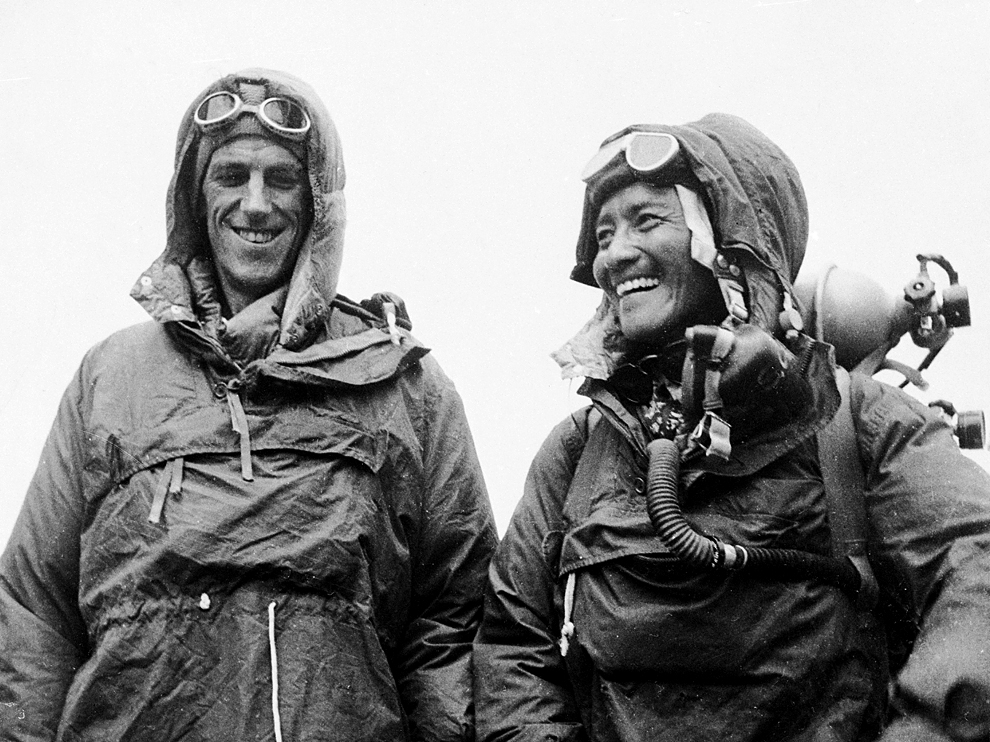
Nepal has a rich and fascinating history that dates back to the early 20th century when it opened its doors to foreign visitors. Adventurous explorers, including British explorers George Leigh Mallory and Harold William Tilman, began documenting the beauty and adventure of trekking in the 1920s. Mountaineering expeditions followed, including Sir Edmund Hillary and Tenzing Norgay’s first successful ascent of Mount Everest in 1953. In the 1960s, commercial trekking began to take off; today, there are dozens of trekking routes throughout Nepal.
Sir Edmund Hillary And Tenzing Norgay Are Seen After Their Successful Ascent Of Mount Everest In 1953.
Trekking has significantly impacted the local communities, providing an essential source of income for many people but also creating environmental and social challenges. Trekking continues to be a popular and rewarding activity for adventurers and nature lovers worldwide.
Fun Family Trip Across Nepal
My family and I had a great time in Nepal. It’s such a beautiful country, with the Himalayas standing tall and proud. We started with a one-hour scenic mountain flight that gave us amazing views of the snow-covered peaks.
In Kathmandu, we visited UNESCO cultural sites and watched the sunrise from Nagarkot, which was really peaceful. We also went on a jungle safari in Chitwan and had so much fun.
Thanks to CoreTreks and their team for making everything easy and enjoyable. If you’re planning a family trip, we truly recommend them.
My family and I had a great time in Nepal. It’s such a beautiful country, with the Himalayas standing tall and proud. We started with a one-hour scenic mountain flight that gave us amazing views of the snow-covered peaks.
In Kathmandu, we visited UNESCO cultural sites and watched the sunrise from Nagarkot, which was really peaceful. We also went on a jungle safari in Chitwan and had so much fun.
Thanks to CoreTreks and their team for making everything easy and enjoyable. If you’re planning a family trip, we truly recommend them.
Manfred
Germany
Safety During Trekking in Nepal
Nepal can be safe if proper precautions are taken and necessary preparations are made. Nepal is a popular destination for trekking, and the country has many well-established trekking routes, including the famous Everest Base Camp Trek and the Annapurna Circuit Trek. However, some risks are involved in trekking, such as altitude sickness, natural disasters, and trekking-related accidents.
To ensure safety during trekking, it is recommended to trek with a licensed and experienced guide, as they have the knowledge and expertise to handle emergencies and navigate the terrain. Also, proper travel insurance covering trekking is essential, as is carrying necessary equipment, such as warm clothing, sturdy footwear, and a first aid kit.
It is also essential to be aware of the weather conditions and to follow all safety guidelines provided by the trekking company and local authorities. As with any travel destination, it is essential to exercise caution and common sense when traveling in Nepal, especially regarding personal safety and security. In summary, trekking can be safe with proper preparation, experienced guides, and adherence to safety guidelines.
Trekking in Nepal
Going to Nepal for trekking typically involves several steps. Here’s a general overview of the process: Decide on a trekking route: There are many popular trekking routes in Nepal, each with its unique scenery and challenges. Research and choose a trek that suits your interests and fitness level.
Find a reputable trekking company or guide: To ensure your safety and maximize your experience, booking a trek with a licensed and experienced trekking company or guide is recommended. You can find many companies online, but it’s essential to read reviews and research to find a trustworthy one. Obtain necessary permits: Depending on the trekking route, you may need licenses from the local authorities. Your trekking company or guide should be able to help you with this.
Fish-Tail Peak (Mt. Machhapuchhre)
Pack appropriately: Ensure you have all the necessary equipment for the trek, including warm clothing, sturdy footwear, a backpack, a sleeping bag, and a first aid kit.
Start trekking: Your guide will meet you at your hotel or a pre-arranged meeting point on the trek day. They will lead you through the trekking route, providing information about the region’s terrain, culture, and history. Stay hydrated and take breaks: Trek can be physically demanding, so staying hydrated and taking breaks as needed is essential. Altitude sickness can also be a risk, so it’s critical to acclimatize slowly and follow your guide’s recommendations.
Enjoy the experience: Trekking is a unique and unforgettable experience. Take the time to appreciate the region’s natural beauty and immerse yourself in the local culture. Remember always to prioritize safety and follow your guide.
Prepare for the Nepal Trek
Preparing for trekking involves several essential steps to ensure a safe and enjoyable experience. Here are some things to consider:
Build your fitness level: Trekking is physically demanding, so improving your fitness level beforehand is very important. You can start by incorporating regular exercise, such as hiking, jogging, or cycling.
Obtain necessary vaccinations: Depending on your health and the trekking route you plan to take, you may need to get certain vaccinations before traveling to Nepal. Consult your doctor or a travel health clinic to determine your necessary vaccinations.
Purchase travel insurance: It’s essential to have travel insurance that covers trekking, as accidents and emergencies can happen on the trail. Read the policy carefully to ensure that it covers trekking at high altitudes.
Pack appropriately: Pack appropriate clothing and gear for the trek, including warm layers, sturdy footwear, a backpack, a sleeping bag, and a first aid kit. Check with your trekking company or guide for a total recommended gear list.
Acclimatize slowly: Altitude sickness is a risk when trekking, so it’s essential to acclimatize slowly and follow your guide’s recommendations. This may involve rest days, drinking plenty of water, avoiding alcohol, and smoking.
Learn about the culture: Nepal has a rich culture and history, and learning about it can enhance your trekking experience. Take time to read about the culture, customs, and traditions of the region you trek in.
Choose a reputable trekking company or guide: To ensure your safety and maximize your experience, booking a trek with a licensed and experienced trekking company or guide is recommended. Read reviews and do some research to find a trustworthy one. Preparing for the Nepal trek requires effort and planning, but ensuring a safe and enjoyable experience in one of the world’s most stunning natural landscapes is worth it.
Packing for a trek in Nepal requires careful consideration of the climate and terrain. Here’s a list of essential items to pack:
Clothing: Dressing in layers is critical to staying comfortable during a trek in Nepal. Bring warm, breathable clothing that can be layered as needed, including a waterproof jacket, fleece or down jacket, long-sleeved shirts, and pants made of quick-drying, moisture-wicking material. Don’t forget to pack a hat and gloves.
Footwear: Sturdy, waterproof hiking boots are essential for trekking. Make sure they are well-worn before the trek to prevent blisters. Bring a couple of pairs of comfortable, moisture-wicking socks.
Backpack: A sturdy, comfortable backpack is essential for carrying gear and supplies. Look for a bag that fits your body well and has padded straps.
Sleeping bag: A warm, high-quality sleeping bag is essential for overnight treks. Ensure it’s rated for the temperatures you will encounter on your trek.
Trekking poles: Trekking poles can help reduce the strain on your knees and improve balance on uneven terrain. They are accommodating during steep descents.
Water bottle and purification tablets: Staying hydrated is vital during a trek in Nepal. Bring a refillable water bottle and purification tablets to treat water from streams or taps.
First aid kit: Pack a basic kit with bandages, antiseptic, painkillers, and any prescription medications you need.
Sunscreen and sunglasses: The sun can be intense at high altitudes, so bring a high-SPF sunscreen and sunglasses to protect your skin and eyes.
Headlamp or flashlight: A headlamp or flashlight is essential for navigating in the dark and during a power outage.
Camera and batteries: Nepal is a stunningly beautiful country, so remember to bring a camera to capture your trekking experience. Also, make sure to bring extra batteries or a charger.
Remember to pack light, as you will carry your gear during the trek. Check with your trekking company or guide for a total recommended gear list.
Is Nepal open for trekking?
Yes, Nepal is open for trekking. The country resumed tourism activities, including trekking, in October 2020 after being closed for several months due to the COVID-19 pandemic. However, specific protocols and restrictions are in place to ensure the safety of visitors and locals.
Visitors must obtain a visa before traveling to Nepal and present a negative PCR test taken within 72 hours before their departure. Upon arrival in Nepal, visitors must take another PCR test and stay in quarantine until they receive a negative result. Trekking groups are limited to 15 people, and social distancing measures and other health and safety protocols are in place.
Before planning a trek in Nepal, staying up-to-date on the latest travel restrictions and guidelines is essential. For the latest information, check with the Nepalese embassy or consulate in your country or consult a reputable trekking company.
When is the trekking season in Nepal?
The trekking season in Nepal typically runs from late September to November and from March to May. During these months, the weather is usually dry and clear, with mild to moderate temperatures, making it ideal for trekking in the Himalayas. However, some trekking regions, such as the Everest region and Annapurna Circuit, can be trekked throughout the year, but trekking during the monsoon season (June to August) is not recommended due to the high risk of landslides and other hazards. Before hiking in Nepal, it is always best to check the weather and trail conditions.
Why trekking in Nepal?
Nepal is famous for trekking activities because it offers a unique opportunity to experience the Himalayan region’s natural beauty and cultural richness. Nepal is home to eight of the world’s highest mountains, including Mount Everest, which attracts thousands of trekkers and mountaineers yearly.
Aside from the stunning mountain scenery, Nepal’s trekking trails take you through diverse landscapes, including forests, valleys, rivers, and alpine meadows, and offer opportunities to encounter rare wildlife such as the snow leopard, red panda, and Himalayan musk deer.
Nepal is rich in cultural heritage and natural beauty. Trekking trails take you through traditional villages and allow you to experience the unique cultures and traditions of different ethnic groups, such as the Sherpa, Gurung, and Tamang people.
Nepal combines natural beauty, cultural experiences, and physical challenges, making it a rewarding destination for adventure seekers.
Can you trek in Nepal without a guide?
It is possible to trek in Nepal with a guide, but it is only recommended for some. Nepal trek can be challenging and involve remote and rugged terrain, and having a guide can be helpful for navigation, safety, and cultural insights.
However, if you are an experienced trekker and are comfortable with navigation and logistics, you may choose to trek independently. Being well-prepared and informed about the route, the necessary permits and regulations, and appropriate gear and supplies are essential.
Additionally, some trekking routes in Nepal require a guide and permit for safety and environmental conservation purposes. For example, trekking to the Everest Base Camp requires a permit, and hiring a licensed guide is mandatory.
Knowing the local culture and language and having basic wilderness first aid skills in emergencies is always a good idea.
How do I obtain a trekking permit for Nepal?
To obtain a trekking permit for Nepal, you will need to follow a few steps:
Choose your trekking route: Nepal has many trekking routes, each with its permit requirements. Some popular trekking areas like the Everest and Annapurna regions require specific permits.
Select a trekking agency: To obtain a trekking permit, you must go through a registered trekking agency. They will handle the paperwork and get you the necessary permits. You can find a list of registered trekking agencies on the Trekking Agencies Association of Nepal (TAAN) website or the Nepal Tourism Board (NTB).
Submit the necessary documents: Once you have selected a trekking agency, you must provide them with your passport and two passport-size photos. They will use this information to obtain your trekking permit from the Nepal Tourism Board or other relevant government offices.
Pay the permit fee: The cost of the trekking permit varies depending on the trekking area and the duration of your trek. You must pay the permit fee to your trekking agency, which will then pay the relevant government office.
Obtain other permits if required: Depending on the trekking route, you may need permits such as the Annapurna Conservation Area Permit (ACAP) or the Sagarmatha National Park Permit (SNPP). Your trekking agency will inform you of additional licenses and handle the paperwork. Read more about how to obtain trekking permits in Nepal.
It’s important to note that you cannot obtain a trekking permit as an individual. You must go through a registered trekking agency, and a licensed guide must accompany all trekkers.
What kind of physical fitness is required to trek in Nepal?
Trekking can be physically demanding, especially at higher altitudes. It is essential to have a good level of physical fitness to enjoy the trek and avoid any health risks. Here are some physical fitness requirements for trekking:
Cardiovascular endurance: Trekking involves long hours of walking on hilly terrain. Good cardiovascular endurance will help you maintain a steady pace throughout the trek.
Leg strength: Trekking involves climbing and descending steep trails, so having good leg strength is essential for handling challenging terrain.
Balance and coordination: Trekking can be challenging and requires good balance and coordination, especially on uneven terrain.
Flexibility: Flexibility is necessary for trekking, as it helps to prevent muscle strains and injuries.
Endurance: Trekking can involve long days of hiking, so having good endurance is essential for maintaining energy levels throughout the trek.
Regular exercise like hiking, running, cycling, and strength training helps prepare for trekking in Nepal. Consult your doctor before starting any new exercise regimen to ensure you are fit to trek. Additionally, it’s necessary to acclimatize appropriately to high altitude to avoid altitude sickness, which can be a risk for anyone, regardless of their fitness level.
How much does it cost to go trekking in Nepal?
The cost of trekking in Nepal can vary depending on several factors, such as the duration of the trek, the route chosen, the level of comfort desired, and the season. Generally speaking, the cost of trekking can range from $500 to USD 3500 per person for a two-week trek.
This cost typically includes permits, transportation, food, accommodation, guide and porter fees, and other expenses such as insurance and equipment rental. The price can be reduced by choosing less popular routes or by trekking independently, without the services of a guide or porter.
It’s important to remember that while trekking can be affordable for many, it’s also essential to plan and budget accordingly, especially for unexpected expenses such as medical emergencies or equipment replacement.
What are the accommodation options like during trekking in Nepal?
Nepal offers many accommodations during trekking, from basic teahouses and guesthouses to more luxurious lodges and resorts. The type of accommodation available will vary depending on the location and the level of trekking you are doing.
Teahouses are the most common accommodation on popular trekking routes like the Everest Base Camp Trek or the Annapurna Circuit Trek. These basic lodgings offer simple rooms with shared bathrooms and communal eating areas. They are typically family-run and provide meals as well. Teahouses are a great way to experience the local culture and meet other trekkers.
Guesthouses are slightly more comfortable than teahouses and may offer private rooms with attached bathrooms. They also provide meals and have communal areas for dining and relaxation.
Luxury lodges and resorts are available in more popular trekking areas for those who prefer more comfort. These accommodations offer private rooms, hot showers, and Western-style toilets. Some may even have amenities such as spas, swimming pools, and restaurants.
Accommodation options may be more limited in remote or less-traveled areas. It’s always a good idea to check with your trekking company or guide to find out what type of accommodation will be available on your trek.
What kind of food is available while trekking in Nepal?
While trekking, you can expect to find various food options, depending on the region and the teahouse or lodge you are staying at. Here are some popular food items that you can expect to find while trekking:
Dal bhat is Nepal’s staple food. It consists of boiled rice, lentil soup, and vegetable curry.
Momos are steamed or fried dumplings filled with meat or vegetables. They are a popular snack or meal option.
Thukpa is a noodle soup typically made with meat or vegetables, perfect for cold weather.
Chapati and paratha: These are flatbreads that are usually served with curry or vegetable dishes.
Yak cheese: This local specialty is often used in dishes or as a snack.
Tea and coffee: You can find tea and coffee at most teahouses and lodges along the trekking routes.
Snacks: Trail mix, chocolate bars, and energy bars are popular snack options for trekkers.
It’s important to note that while trekking, fresh produce and meat availability may be limited, and the food options may be more essential than what you are used to. However, most teahouses and lodges will do their best to provide nutritious and satisfying meals.
Trekking in Nepal Himalayas
Trekking in the Nepal Himalayas is a once-in-a-lifetime experience, offering stunning landscapes, diverse cultures, and challenging terrains. Here are some things to keep in mind when trekking in the Nepal Himalayas:
Physical fitness: Trekking in the Nepal Himalayas can be physically demanding, so it’s essential to be in good physical shape, exercise regularly, and train before the trek.
Altitude sickness: Trekking at high altitudes can lead to altitude sickness, so it’s essential to acclimatize correctly and follow your guide’s advice.
Permits: Most trekking routes in Nepal require permits, which should be obtained before the trek.
Gear: Proper gear and clothing for the trek, including sturdy trekking boots, warm clothing, and a good-quality sleeping bag, are essential.
Guide and porter: Hiring a guide and porter can be helpful for navigation, safety, cultural insights, and carrying heavy loads.
Respect for local culture: The Nepal Himalayas are home to diverse cultures and traditions, so it’s essential to respect local customs and practices.
Environmental conservation: Responsible trekking and minimizing the environmental impact are essential, including carrying out trash and not disturbing the natural habitats of local wildlife.
Trekking in the Nepal Himalayas can be a challenging yet rewarding experience. It offers a chance to explore some of the world’s most stunning landscapes and cultures.
Trekking in Nepal for beginners
Nepal offers a range of trekking options for beginners, with some routes being less challenging and more accessible than others. Here are some trekking routes that are suitable for beginners:
Ghorepani Poon Hill Trek: This is a short and relatively easy trek that takes you through the beautiful landscapes of the Annapurna region, with stunning views of the Himalayan Mountains.
Langtang Valley Trek: This moderate trek takes you through the scenic Langtang region, less crowded than other popular trekking regions in Nepal.
Helambu Trek: This relatively easy trek takes you through the culturally rich region. It offers beautiful views of the Himalayas and an opportunity to learn about the local culture.
Everest View Trek: This is a short and easy trek to the Everest region, offering stunning views of Mount Everest and other Himalayan peaks.
Tamang Heritage Trail: This is a moderate trek that takes you through the culturally rich Tamang region, with an opportunity to learn about the local culture and lifestyle.
Beginners must prepare well for the trek by exercising regularly, getting proper gear and clothing, and being well-informed about the route and necessary permits. It is also recommended that a guide be hired for safety and cultural insights.
Trek for seniors
Nepal offers several trekking options suitable for seniors who are physically healthy and enjoy hiking. Here are some things to keep in mind when planning a trek in Nepal for seniors:
Choose a trekking route that is less strenuous and more suitable for seniors. Some trekking routes, such as the Ghorepani Poon Hill Trek, are shorter and less challenging, making them ideal for seniors.
Acclimatization is essential, especially for seniors. To avoid altitude sickness, it’s necessary to take enough time to acclimate to high altitude.
Make sure to have proper gear and clothing. This includes sturdy trekking shoes, warm clothing, and a good-quality sleeping bag.
Stay hydrated and eat a balanced diet. Seniors may need more time to rest and recover during the trek, so staying hydrated and nourished is essential.
Consider hiring a porter or a guide to assist with carrying gear and navigating the route.
Take breaks as needed and listen to your body. Seniors may need more frequent breaks and adjust their pace according to their physical abilities.
Consult a doctor before trekking in Nepal, especially if you have any pre-existing medical conditions.
Overall, trekking in Nepal can be a rewarding and fulfilling experience for seniors as long as proper preparations are made and safety precautions are taken.
Major trekking routes in Nepal
Nepal is a popular destination for trekking and offers a variety of trekking routes, each with its own unique features and challenges. Some of the major trekking routes in Nepal are:
Langtang Valley Trek: This trek takes you through the Langtang region, which is known for its beautiful landscapes and remote villages.
Manaslu Circuit Trek: This is a challenging trek that takes you through the Manaslu region, offering stunning views of the Manaslu range and taking you through remote villages and challenging terrain.
Upper Mustang Trek: This trek takes you through the remote Upper Mustang region, which was once a forbidden kingdom and is known for its unique landscapes and culture.
Kanchenjunga Base Camp Trek: This trek takes you through the Kanchenjunga region, which is known for its stunning mountain views and remote villages.
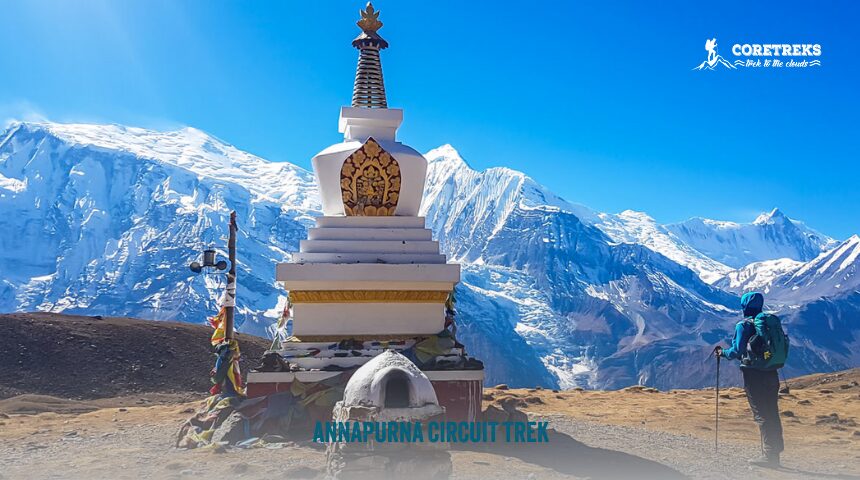
Annapurna Circuit Trek
Trekking the Annapurna Circuit is both challenging and fulfilling. It is considered one of the most famous and rewarding treks in the world, offering stunning views of the Himalayan mountain range, diverse landscapes, and an opportunity to experience the unique culture of the local people.
Annapurna Base Camp
The Annapurna Circuit trek usually takes around 15-21 days, depending on the pace and route chosen. The trek begins in the lush green forests of the lower regions, with cascading waterfalls and small villages scattered throughout. As you ascend, the landscape changes to alpine forests, arid desert-like terrain, and finally the snow-capped peaks of the Himalayas.
Along the way, you will encounter several charming Nepalese villages, where you can interact with the locals and learn about their way of life. Crossing Thorong La Pass (5,416m), the highest point of the Annapurna Circuit, rewards trekkers with wide mountain views.
To do the Annapurna Circuit trek, trekkers must obtain permits and hire a licensed guide or porter. It is recommended to go with an experienced guide who can help you navigate the challenging terrain and ensure your safety.
Overall, the Annapurna Circuit trek is a challenging but rewarding adventure that offers a unique opportunity to explore the stunning natural beauty and rich cultural heritage of Nepal.
Everest Base Camp Trek
Trekking to Everest Base Camp in Nepal is a memorable adventure with views of Mt. Everest, the world’s highest peak, and the surrounding Himalayas. It is one of the most popular trekking routes in Nepal and a bucket list destination for many trekkers.
Everest Base Camp
The trek to Everest Base Camp usually takes around 12-14 days, depending on the route and pace chosen. The trek starts with a scenic flight from Kathmandu to Lukla, a small mountain town located at an altitude of 2,800 meters. From there, you will begin the trek, walking through Sherpa villages, thick forests, and clear glacial rivers.
As you ascend, the landscape changes, and you will encounter barren terrain, high-altitude deserts, and towering mountain peaks. Along the way, you will pass through several charming Sherpa villages, where you can interact with the locals and learn about their unique culture and way of life.
The highlight of the trek is reaching the Everest Base Camp, located at an altitude of 5,364 meters, where you can witness the majestic beauty of Mt. Everest up close. The view from the base camp is awe-inspiring, and it is a once-in-a-lifetime experience that you will never forget.
To trek to Everest Base Camp, you will need to obtain a trekking permit and hire a licensed guide or porter. It is recommended to go with an experienced guide who can help you navigate the challenging terrain and ensure your safety.
Overall, trekking to Everest Base Camp is a challenging but rewarding adventure that offers a unique opportunity to explore the stunning natural beauty and rich cultural heritage of Nepal. It is a must-do for adventure seekers and nature lovers alike.
These are just a few of the many trekking routes that Nepal has to offer. Each route has its own unique features and challenges, and it’s important to choose a route that suits your fitness level and interests.
Best time for Trekking in Nepal
The best time to go trek in Nepal depends on the region you plan to visit and the type of trek you want to do. Generally, there are two main trekking seasons in Nepal: Spring (March to May) and autumn (September to November).
During the spring season, the weather is mild, and the temperature is pleasant, making it an excellent time for trekking in the lower regions of Nepal, such as the Annapurna and Langtang regions. The weather is also suitable for high-altitude trekking in the Everest region, and you can expect clear skies and stunning views of the Himalayan range.
Autumn is another popular trekking season in Nepal, with clear skies, mild temperatures, and stable weather. The autumn season is ideal for trekking in all regions of Nepal, including the Everest, Annapurna, and Langtang regions. This season is also popular for climbing expeditions to peaks such as Ama Dablam, Island Peak, and Mera Peak.
During the winter months (December to February), trekking is still possible in some regions, such as the Everest and Annapurna regions. However, the weather is colder, and the higher elevations may be covered in snow, making it more challenging to trek. The winter months are also a good time for trekking in the lower regions of Nepal, such as the Chitwan National Park and the Terai region.
The monsoon season (June to August) is the least favorable time for a trek in Nepal, as the weather is unpredictable, and the trails may be muddy and slippery. However, some regions, such as the Mustang region, are in the rain shadow and can be trekked during this season.
In summary, the best time to go trek, Nepal is during the spring and autumn seasons when the weather is stable, and the temperature is pleasant. However, some regions can be trekked during the winter and monsoon seasons, depending on your preferences and trekking goals.
Winter
Trekking in winter can be a beautiful and rewarding experience, but it’s important to be prepared for colder temperatures and potentially challenging weather conditions. The winter months in Nepal run from December to February; during this time, higher elevations can experience heavy snowfall and sub-zero temperatures.
However, many trekking routes in Nepal are still accessible in the winter months, and there are several advantages to trekking at this time. The trails are generally less crowded, allowing for a quieter and more peaceful trekking experience. The views of the snow-covered peaks and landscapes can also be stunning.
If you’re planning on Nepal during the winter for trekking, it’s essential to have the appropriate gear and clothing to stay warm and comfortable. This includes warm layers, waterproof clothing, and sturdy hiking boots. It’s also important to be aware of the risks associated with high-altitude trekking and to acclimatize properly before ascending to higher elevations.
Overall, winter can be a fantastic adventure for those who are prepared and willing to face the challenges of colder weather and potential snowfall.
Summer
The summer months (June to August) can be a unique and exciting experience, but it’s important to be aware of the challenges that come with trekking during the monsoon season.
The main challenge during this time is the heavy rainfall, which can make the trails slippery and muddy and increase the risk of landslides and flooding. Some of the higher altitude trails may also be closed due to the risk of avalanches.
However, trekking during the summer months can also have its advantages. The countryside is lush and green, and the flora and fauna are in full bloom. The views of the mountains and landscapes can also be spectacular after a rainstorm. The trails are also generally less crowded during this time, providing a quieter and more peaceful trekking experience.
If you’re planning during the summer months, it’s important to come prepared with waterproof gear and clothing, such as rain jackets, rain pants, and waterproof hiking boots. It’s also essential to plan your itinerary carefully and be aware of the potential risks associated with trekking during the monsoon season.
Overall, the summer months can be a unique and rewarding experience for those who are prepared and willing to face the challenges of the monsoon season.
Spring
The spring can be a wonderful experience, as the weather is generally warm and sunny, with clear skies and beautiful mountain views. The spring season in Nepal runs from March to May, and it is the perfect time to explore the country’s stunning landscapes and natural beauty.
Some popular trekking destinations in Nepal during spring include the Annapurna Circuit, Everest Base Camp, Langtang Valley, and the Manaslu Circuit. These treks also take you through villages where you can experience unique traditions and ways of life.
It is important to note that the weather in Nepal can be unpredictable, so it is recommended to bring appropriate gear for all weather conditions. Additionally, it is crucial to have a well-planned itinerary and hire an experienced guide for safety and navigation.
Overall, the spring can be a truly unforgettable experience, providing the opportunity to immerse oneself in the country’s natural beauty and rich culture.
Autumn
The autumn season, which runs from September to November, is one of the most popular times to visit the country. The weather during this time is generally clear and dry, making it ideal for trekking and mountain expeditions.
The autumn season in Nepal offers stunning mountain views, colorful landscapes, and comfortable temperatures during the day, with cooler temperatures at night. Popular trekking routes during this time include the Annapurna Circuit, Everest Base Camp, and the Langtang Valley.
In addition to the natural beauty, autumn is also a great time to experience the rich culture of Nepal. The country celebrates many festivals during this season, including the Dashain and Tihar festivals, which offer a glimpse into the country’s vibrant traditions and customs.
It is important to note that autumn is the peak trekking season in Nepal, so the trails can be quite busy. It is recommended to book accommodations and guides in advance to ensure availability.
Autumn is a popular season to trek, with clear skies, festivals, and comfortable weather.
Trekking in Nepal 2024
Assuming that the situation in Nepal remains stable, trekking in 2024 should be possible. Nepal is a popular destination for trekking and mountaineering, and many trekking routes are open throughout the year.
If you are planning to trek in Nepal in 2024, it is recommended to research the different trekking options and routes and plan your trip in advance. You may want to consider hiring an experienced guide or joining a guided trekking group for safety and navigation purposes.
It is also important to be aware of any travel restrictions or entry requirements that may be in place due to the ongoing COVID-19 pandemic. Make sure to check the latest travel advisories and guidelines before planning your trip.
Overall, trekking in Nepal in 2024 can be a truly unforgettable experience, offering stunning mountain scenery, cultural immersion, and adventure in a unique and beautiful country.
Tsum Valley Trek
The Tsum Valley Trek is a popular trekking route in Nepal that takes you through the remote Tsum Valley, a hidden gem in the Manaslu region of Nepal. The trek is known for its stunning scenery, unique cultural experiences, and challenging trails.
The Tsum Valley Trek is typically a 16 to 20-day trek, depending on the route and itinerary. The trek starts from Arughat, passes through beautiful villages such as Jagat, Lokpa, Chumling, Chhokangparo, and Nile, and ends at the iconic Mu Gompa monastery. Along the way, you will see Ganesh Himal, Sringi Himal, and Himal Chuli, while also experiencing the traditions of local communities.
One of the highlights of the Tsum Valley Trek is the opportunity to explore the unique culture of the valley’s inhabitants, who are mostly Tibetan Buddhists. You will visit ancient monasteries, prayer flags, and sacred sites, and witness the daily life of the locals.
The Tsum Valley Trek is considered a moderate to challenging trek, with steep ascents and descents, high altitudes, and remote trails. It is recommended to be physically fit and have previous trekking experience before attempting this trek.
Overall, the Tsum Valley Trek is a great choice for those seeking an off-the-beaten-path adventure in Nepal, with stunning scenery, unique cultural experiences, and challenging trails.
Short Manaslu Circuit Trek
The Manaslu Circuit Trek is a popular trekking route in Nepal that takes you to the eighth-highest mountain in the world, Mount Manaslu (8,156 meters). The trek is known for its stunning scenery, diverse landscapes, and unique cultural experiences.
Enjoying The Manaslu Circuit Trek
The Manaslu Circuit Trek is typically a 14-20 days trek, depending on the route and itinerary. The trek starts from Arughat and follows the Budhi Gandaki River, passing through beautiful villages such as Jagat, Deng, Namrung, and Samagaon. The route provides views of Mount Manaslu, with chances to walk through forests, cross high mountain passes, and connect with the local culture.
One of the highlights of the Manaslu Circuit Trek is the opportunity to explore the unique culture of the region’s inhabitants, who are mostly ethnic Gurungs and Tibetans. You will visit ancient monasteries, prayer flags, and sacred sites, and witness the daily life of the locals.
The Manaslu Circuit Trek is considered a moderate to challenging trek, with steep ascents and descents, high altitudes, and remote trails. It is recommended to be physically fit and have previous trekking experience before attempting this trek.
Overall, the Manaslu Circuit Trek is a great choice for those seeking an adventurous and cultural experience in Nepal, with stunning mountain scenery, diverse landscapes, and unique cultural immersion.
Upper Mustang Trek
The Upper Mustang Trek is a popular trekking route in Nepal that takes you through the remote region of Mustang, which is located in the northern part of the country, near the Tibetan border. The trek is known for its stunning scenery, unique cultural experiences, and challenging trails.
The Upper Mustang Trek is typically a 10 to 14-day trek, depending on the route and itinerary. The trek starts from Jomsom and follows the Kali Gandaki River, passing through beautiful villages such as Kagbeni, Chele, Syangboche, and Lo Manthang. You will also see the Dhaulagiri and Nilgiri mountains, travel through dry, rugged landscapes, and learn about the lives of local people.
One of the highlights of the Upper Mustang Trek is the opportunity to explore the unique culture of the region’s inhabitants, who are mostly ethnic Tibetans. The region was once an independent kingdom and has retained its distinct culture and traditions. You will visit ancient monasteries, prayer flags, and sacred sites, and witness the daily life of the locals.
The Upper Mustang Trek is considered a moderate trek, with relatively easy trails and low altitudes. However, it is a remote area, and the facilities and services are limited. It is recommended to be physically fit and have previous trekking experience before attempting this trek.
Overall, the Upper Mustang Trek is a great choice for those seeking an off-the-beaten-path adventure in Nepal, with stunning scenery, unique cultural experiences, and relatively easy trails.
Ghorepani Poon Hill Trek
The Ghorepani Poon Hill Trek is a popular trekking route in the Annapurna region of Nepal. The trek is known for its stunning views of the Annapurna and Dhaulagiri mountain ranges, as well as its beautiful rhododendron forests and charming local villages.
Sunrise From Poon Hill
The trek usually starts from Nayapul and follows a well-trodden path through the villages of Tikhedhunga, Ghorepani, and Ghandruk. The highlight of the trek is the climb to Poon Hill, which is a popular vantage point to watch the sunrise over the Himalayas. From Poon Hill, you can see peaks like Dhaulagiri, Annapurna South, Annapurna I, Hiunchuli, and Machhapuchhre.
The Ghorepani Poon Hill Trek is a moderate-level trek that can be completed in 4-5 days. The best time to go on this trek is from September to November and from March to May when the weather is clear and the views are spectacular. However, trekkers should be prepared for cold temperatures at higher elevations and should take appropriate gear and clothing.
Overall, the Ghorepani Poon Hill Trek is a great option for trekkers who want to experience the beauty of the Himalayas without committing to a longer and more strenuous trek.
Mohare Danda Trek
The Mohare Danda Trek is a lesser-known trekking route in the Annapurna region of Nepal. The Mohare Danda trek is named after its hilltop viewpoint, which overlooks the Annapurna and Dhaulagiri ranges.
The trek usually starts from Beni and follows a less-traveled path through the villages of Galeshwor, Banskharka, Nangi, Mohare Danda, and Tikot. The trek offers stunning views of the mountains, as well as the opportunity to explore traditional Gurung and Magar villages.
One of the highlights of the Mohare Danda Trek is the Mohare Danda View Tower, which provides 360-degree views of the surrounding mountains, including Dhaulagiri, Annapurna South, Machhapuchhre, and Manaslu. The trek also passes through beautiful rhododendron forests and offers the chance to see wildlife such as langurs, musk deer, and Himalayan Thar.
The Mohare Danda Trek is a moderate-level trek that can be completed in 7-8 days. The best time to go on this trek is from March to May and from September to November when the weather is clear and the views are spectacular. However, trekkers should be prepared for cold temperatures at higher elevations and should take appropriate gear and clothing.
Overall, the Mohare Danda Trek is a great option for trekkers who want to experience the beauty of the Annapurna region while avoiding the crowds of more popular trekking routes.
Dhaulagiri Circuit Trek
The Dhaulagiri Circuit Trek is a challenging trekking route that takes you through some of the Himalayas’ most remote and rugged terrains. The trek offers stunning views of the Dhaulagiri mountain range, the seventh-highest mountain in the world, and takes you over several high passes.
The trek usually starts from Beni and follows a trail through the villages of Darbang, Dharapani, Muri, and Boghara. From there, you will cross the French Pass and the Dhampus Pass, both of which offer spectacular views of the mountains. You will also have the opportunity to explore the hidden valley of the Kali Gandaki River and the traditional villages of Marpha and Jomsom.
One of the highlights of the Dhaulagiri Circuit Trek is the opportunity to see the Dhaulagiri Icefall, one of the most challenging and dangerous parts of the mountain for climbers. The trek also offers the chance to see wildlife such as snow leopards, Himalayan thar, and musk deer.
The Dhaulagiri Circuit Trek is a strenuous trek that requires a high level of physical fitness and experience in high-altitude trekking. It can take up to 21 days to complete, depending on the itinerary. The best time to go on this trek is from April to May and from September to November when the weather is clear and the views are spectacular. However, trekkers should be prepared for cold temperatures and challenging terrain.
Overall, the Dhaulagiri Circuit Trek is a great option for experienced trekkers who want to challenge themselves and explore some of the most remote and spectacular parts of the Himalayas.
Makalu Base Camp Trek
The Makalu Base Camp Trek is a challenging trekking route that takes you through some of the most remote and pristine regions of Nepal. The trek offers stunning views of the fifth-highest mountain in the world, Mount Makalu, and takes you through beautiful alpine forests, high mountain passes, and remote Sherpa and Rai villages.
The trek usually starts from Tumlingtar and follows a trail through the villages of Chichila, Num, and Seduwa. From there, you will climb up to the Makalu Base Camp, passing through the Barun Valley and crossing several high mountain passes, including the Shipton La Pass and the Keke La Pass.
One of the highlights of the Makalu Base Camp Trek is the opportunity to see the unique flora and fauna of the region, including the endangered red panda, the Himalayan black bear, and the snow leopard. The trek also offers the chance to interact with the friendly Sherpa and Rai communities and to learn about their culture and way of life.
The Makalu Base Camp Trek is a strenuous trek that requires a high level of physical fitness and experience in high-altitude trekking. It can take up to 20 days to complete, depending on the itinerary. The best time to go on this trek is from April to May and from September to November when the weather is clear and the views are spectacular. However, trekkers should be prepared for cold temperatures, high altitudes, and challenging terrain.
Overall, the Makalu Base Camp Trek is a great option for experienced trekkers who want to explore some of the most remote and spectacular parts of the Himalayas and experience the unique culture and natural beauty of the region.
Kalapathar Trekking
The Kalapatthar Trek is a popular and challenging trekking route in the Khumbu region of Nepal. The trek passes through some of the world’s most impressive mountain scenery, including Everest, Lhotse, Nuptse, and Ama Dablam.
The trek usually starts with a flight from Kathmandu to the small mountain town of Lukla. From there, you will follow a trail through the villages of Phakding, Namche Bazaar, Tengboche, and Gorak Shep, before reaching the summit of Kalapatthar. Along the way, you will pass through beautiful alpine forests, cross high mountain passes, and see traditional Sherpa villages and Buddhist monasteries.
The Kalapatthar trek includes a climb to its famous viewpoint, offering close views of Everest and surrounding peaks. It also allows you to experience Sherpa culture and see some of the most iconic mountain landscapes on Earth.
The Kalapatthar Trek is a strenuous trek that requires a good level of physical fitness and experience in high-altitude trekking. It can take up to 14 days to complete, depending on the itinerary. The best time to go on this trek is from March to May and from September to November when the weather is clear and the views are spectacular.
Overall, the Kalapatthar Trek is a great option for trekkers who want to challenge themselves and experience the natural beauty and cultural richness of the Khumbu region, and to see some of the world’s most stunning mountain landscapes.
Mustang Trek
The Mustang Trek is a unique and fascinating trekking route in the remote region of Mustang in Nepal. The trek takes you through the arid and barren landscape of the Upper Mustang, also known as the “Forbidden Kingdom,” which was closed to foreigners until 1992.
The trek usually starts with a flight from Pokhara to Jomsom, from where you will follow a trail through the villages of Kagbeni, Chele, Syangboche, and Lo Manthang, before reaching the border of Tibet. Along the way, you will see ancient monasteries, caves, and the unique culture and lifestyle of the people of Mustang, who have preserved their ancient Tibetan traditions and customs for centuries.
One of the highlights of the Mustang Trek is the opportunity to explore the ancient walled city of Lo Manthang, which is home to a rich cultural heritage and unique architecture. The trek also offers stunning views of the surrounding mountains, including Dhaulagiri, Nilgiri, and Annapurna, and the chance to see some of the rare and endangered species of flora and fauna in the region.
The Mustang Trek is a moderate to strenuous trek that requires a good level of physical fitness and experience in high-altitude trekking. It can take up to 16 days to complete, depending on the itinerary. The best time to go on this trek is from March to November when the weather is clear and the views are spectacular.
Overall, the Mustang Trek is a great option for trekkers who want to experience the unique culture and natural beauty of the Upper Mustang region, and to explore one of the most remote and fascinating parts of Nepal.
Trekking permit Nepal
Trekking permits are required for most of the trekking routes in Nepal, including the popular Everest Base Camp Trek, Annapurna Circuit Trek, and Langtang Trek. These permits are necessary to regulate the number of trekkers and to ensure the safety and security of trekkers in the mountains.
There are two main types of trekking permits in Nepal: the TIMS (Trekkers’ Information Management System) card and the national park permit. The TIMS card is mandatory for all trekkers and is issued by the Trekking Agencies Association of Nepal (TAAN) and the Nepal Tourism Board (NTB). The TIMS card contains information about the trekkers, including their itinerary and emergency contact details, and is used to track trekkers in case of any emergency.
In addition to the TIMS card, trekkers also need to obtain a national park permit, which is required for trekking in most of the national parks and conservation areas in Nepal. The national park permit fee varies depending on the park and the duration of the trek.
To obtain trekking permits in Nepal, trekkers need to provide a passport-sized photo, a photocopy of their passport, and their itinerary to the relevant authorities. Trekking permits can be obtained from the Department of Immigration in Kathmandu or from the local offices of the National Parks and Wildlife Conservation Department.
It is important to note that trekking without a permit is illegal and can result in fines, deportation, or even imprisonment. It is important to secure the required permits before starting any trekking route in Nepal.
Lonely Planet: Nepal Trek
Lonely Planet is a well-known travel guidebook publisher that has published several guidebooks on Nepal, including ones focused on trekking in Nepal. These guidebooks provide comprehensive information on trekking routes, permits, gear, accommodations, and transportation options in Nepal, making them a useful resource for anyone planning a trek in Nepal.
Some of the popular Lonely Planet trekking guides for Nepal include:
Trekking in the Nepal Himalayas: This guidebook covers over 30 trekking routes in the Nepal Himalayas, including the Everest Base Camp Trek, Annapurna Circuit Trek, and Langtang Trek. It provides detailed information on each trek, including difficulty level, altitude, permits required, and accommodation options.
Trekking in the Annapurna Region: This guidebook focuses specifically on the Annapurna region and provides detailed information on trekking routes, permits, accommodations, and transportation options in the region.
Trekking in the Everest Region: This guidebook focuses on the Everest region and provides comprehensive information on the Everest Base Camp Trek, as well as other treks in the region.
In addition to these guidebooks, Lonely Planet also has an online forum where travelers can ask questions and share information about the trek. This forum can be a useful resource for getting up-to-date information on trekking conditions, permits, and other important details.
Overall, Lonely Planet is a great resource for anyone planning a trekking adventure in Nepal, providing useful information and insights on some of the best trekking routes in the country.
What is altitude sickness, and how can one prevent it while going on trekking?
Altitude sickness, also known as acute mountain sickness (AMS), is a condition that can occur when you ascend to high altitudes too quickly, and your body is not able to acclimatize properly. Symptoms of altitude sickness can include headaches, nausea, dizziness, fatigue, and difficulty sleeping.
To prevent altitude sickness while trek in Nepal, here are some tips:
Acclimatize slowly: Ascend gradually, allowing your body to adjust to the altitude. Don’t climb more than 300-500 meters in a day once you reach an altitude of 3000 meters.
Hydrate properly: Drink plenty of fluids to stay hydrated, as the air at high altitudes is very dry.
Avoid alcohol and smoking: Alcohol and smoking can dehydrate you and make it harder for your body to acclimatize.
Eat a balanced diet: Eating a diet that is high in carbohydrates and low in fat can help you maintain your energy levels and improve your acclimatization.
Take your time: Trek at a slow and steady pace to give your body time to adjust to the altitude.
Consider taking medication: Medications such as acetazolamide can help prevent altitude sickness. Consult with a doctor or travel medicine specialist before taking any medication.
Listen to your body: If you experience any symptoms of altitude sickness, take a rest day or descend to a lower altitude. Ignoring the symptoms and continuing to ascend can lead to more serious complications.
It’s important to remember that altitude sickness can affect anyone, regardless of age, gender, or fitness level. It’s essential to be aware of the symptoms and take steps to prevent altitude sickness while trekking.
Challenges one might face during trekking
Trekking in Nepal is a challenging experience, and there are several challenges that trekkers might face during their journey. Here are some of the common challenges and their solutions:
Altitude sickness: Altitude sickness or Acute Mountain Sickness (AMS) is a common challenge faced by trekkers in Nepal. The best way to avoid altitude sickness is to acclimatize properly, stay hydrated, and ascend gradually. In severe cases, descending to a lower altitude and seeking medical attention is necessary.
Weather conditions: The weather conditions in the Himalayas can be unpredictable, and trekkers might face extreme cold, rain, snow, or strong winds. Proper clothing and gear, including waterproof jackets and warm clothing, can help overcome these challenges.
Physical fitness: Treks in Nepal require a good level of physical fitness, as the trails can be steep, rocky, and challenging. Preparing for the trek by doing regular exercise and building endurance can help overcome this challenge.
Cultural differences: Nepal has a diverse culture, and trekkers might face cultural differences and communication barriers with locals. Learning a few basic Nepali words and respecting local customs and traditions can help overcome this challenge.
Food and water hygiene: Food and water hygiene can be a significant challenge while trekking, as the food and water sources may not always be safe. Trekkers should carry their water purification tablets or filters and avoid uncooked or unhygienic food.
Trekking permits and regulations: Trekking requires permits and adherence to certain regulations. Hiring a licensed trekking agency or guide can help ensure compliance with the regulations and obtain the necessary permits.
Overall, trekking can be a rewarding experience, and with proper planning and preparation, trekkers can overcome these challenges and enjoy the natural beauty and cultural diversity of Nepal.
Teahouse Trek in Nepal
Teahouse trekking is a popular form of trek, where trekkers stay at local lodges, known as teahouses, along the trekking route. Teahouse trekking provides an opportunity to experience local culture, interact with locals, and explore the scenic beauty of the Himalayas.
During teahouse trekking, trekkers can stay at basic but comfortable lodges that provide meals and accommodation. The teahouses offer a variety of meals, including local Nepali cuisine and international dishes. Most teahouses also have facilities for charging devices and hot showers.
One of the advantages of teahouse trekking is that trekkers can travel light, as they do not have to carry camping equipment or food. However, it’s important to carry the necessary clothing and gear for the trek, including warm clothing, waterproof jackets, and comfortable hiking boots.
Teahouse trekking is suitable for all levels of trekkers, including beginners, and the difficulty level varies depending on the route. Some popular teahouse trekking routes in Nepal include the Everest Base Camp trek, Annapurna Circuit trek, Langtang trek, and Manaslu trek.
During peak trekking seasons, it’s essential to book the teahouses in advance to ensure availability. Trekking with a licensed guide can also be helpful in finding the best teahouses, negotiating prices, and ensuring a safe and enjoyable trekking experience.
The scenic view is seen from trekking in Nepal
Treks in Nepal offer some of the most striking scenery in the world. Here are a few of the most notable views you may encounter:
Mount Everest: The world’s highest peak, Mount Everest, is the highlight of any trekking. The Everest Base Camp trek offers stunning views of the Himalayan range, including Mount Everest, Lhotse, Nuptse, and Ama Dablam.
Annapurna Range: The Annapurna Range in the central Himalayas offers a spectacular view of the snow-capped mountains and lush valleys. The Annapurna Circuit trek is one of the most popular treks in Nepal and offers stunning views of Annapurna I, II, III, IV, Gangapurna, and Machhapuchhre.
Langtang Valley: The Langtang Valley trek is known for its stunning scenery, including snow-capped peaks, glaciers, and lush forests. The Langtang trek provides vistas of Langtang Lirung, Langshisa Ri, and Ganjala Peak.
Manaslu Circuit: The Manaslu Circuit trek is a challenging trek that offers some of the most spectacular views of the Himalayas. The trek offers views of Mount Manaslu, Ganesh Himal, and other peaks in the region.
Gokyo Lakes: The Gokyo Lakes trek features turquoise lakes and views of the Himalayas. The trek offers views of Mount Everest, Lhotse, Nuptse, and other peaks in the region.
Conclusion
Overall, the trek is a once-in-a-lifetime experience that offers some of the world’s most stunning and awe-inspiring scenic views. The trails reveal the Himalayan Mountains, changing landscapes, and opportunities for cultural experiences. Nepal is home to some of the highest peaks in the world, including Mount Everest, and offers a range of trekking routes that cater to every level of experience.
One of the most important factors to consider while trekking is the altitude. The high altitude can cause altitude sickness, which can be dangerous and even life-threatening. It’s essential to be well-prepared for the trek, including acclimatizing yourself to the altitude by taking it slow, drinking plenty of water, and resting as needed. It also offers the opportunity to experience the local culture and interact with friendly locals.
FAQs
What are the off-seasons for trekking in Nepal?
The off-season for trekking in Nepal is the monsoon and winter seasons. During the monsoon season, the trek suffers from mild to heavy rainfalls, making the trails wet and slippery. The jungles and forests are insect-infested. Similarly, the winter season could be better for trekking and falls under the off-season. In Nepal, trekking in the high-altitude Himalayas is detrimental due to unstable weather and the chance of natural disasters.
What are the Best Hikes Around Kathmandu?
The best hikes around Kathmandu are Chandragiri Hiking, Shivapuri Hiking, Nagarkot Hiking, Kakani Nagarkot Hiking, Chisapani Trek, and others.
What are the best off-beaten treks in Nepal?
Some of the best off-beaten treks in Nepal are the Manaslu Circuit Trek, the Annapurna Circuit Trek, and the Upper Mustang Trek.
What are the best-restricted treks in Nepal?
Some of the best restricted-area treks are the Kanchenjunga Trek, Upper Mustang Trek, Upper Dolpo Trek, and Tsum Valley Trek. To explore these treks, you need to issue a restricted-area permit.
How to prepare for trekking in Nepal?
There are a few ways to prepare for your trek in Nepal, and they are: Book ideal trekking destinations based on your experience. Research for the ideal trekking seasons Pack necessary clothing and medicinal items. Rent gear and equipment instead of buying it, but ensure it is in good condition. Learn about proper acclimatization and hydrating throughout
Mr. Bhatta started as trekking guide and is now a successful travel operator in Nepal. He is an environmentalist, committed to promote Ecotourism in Nepal. Mr. Bhatta has been engaged in improving the livelihood of residence of The Himalayas through Helping Hands for Himalayan People (HHHP Nepal) a non-profit organization built to improve living standard of the local community.
Boudhanath Stupa is one of the most sacred Buddhist sites in the world. It is a religious site and a cultural hub for pilgrims, especially Tibetan Buddhists. Similarly, it is one of Nepal's largest, 36-meter-high, and 100-meter-wide stupas in the capital city of Kathmandu. The stupa is located just 7 km northeast of central Kathmandu,…
The Everest Base Camp Trek in February is a one-of-a-kind experience that trek enthusiasts must take once. Contrary to many trekkers who believe winter months are unsuitable for Himalayan ventures, trekking in February is doable. It is just the time when the cold winter slowly transitions into the warm spring season. Therefore, trekking on the…
Many of you might be curious about the Manaslu Circuit Trek after earthquake in Nepal and whether it is safe for trekking. Fortunately, yes. The trail that was heavily damaged by the 2015 Nepal earthquake has re-opened. So what are the conditions of the trails, accommodation availability, and risks of Manaslu Circuit Trek after the…
This site uses cookies to optimize your user experience. By using this site, you are consenting to our use of these cookies. Check out our Privacy Policy.