Are you ready to start an amazing adventure to Everest Base Camp in July? Don’t let the rainy season deter you! With proper preparation and a spirit of adventure, you can witness the awe-inspiring beauty of the Himalayas. Take a step forward and challenge yourself to walk the trails, learn about Sherpa culture, and enjoy the beautiful mountain views. Seize this opportunity to create memories that will last a lifetime.
It’s time to lace up your boots, embrace the rain, and make your dream of reaching Everest Base Camp a reality. Join us on this incredible journey and let the wonders of the Everest region leave an indelible mark on your soul in July. Take action now and go on the adventure of a lifetime!
In July, Nepal experiences abundant rainfall, which deters many trekkers from venturing onto the trails. However, those who adequately equip themselves with reliable rain gear and anticipate potential travel disruptions can still enjoy a rewarding trek to Everest Base Camp. Here is what you can anticipate during this month.
Table of Contents
Weather Conditions of EBC During July
July falls within Nepal’s monsoon season, characterized by daily rainfall and generally warm temperatures. It is worth noting that the Everest Region experiences its highest precipitation levels during July and August. However, if you come prepared for the wet conditions and accept the possibility of obscured views due to rain clouds, trekking to Everest Base Camp (EBC) is usually feasible this month.
Mt. Everest View From Renjo La
In July, Namche Bazaar offers comfortable temperatures, with an average high of 60°F (16°C). As you ascend higher into the mountains, temperatures become cooler and rainfall decreases. Conversely, lower elevations are more prone to rain, leading to landslides and muddy paths. However, it’s important to mention that even during the monsoon season, rainfall doesn’t typically persist throughout the entire day.
The Views were Something I’ll Always Remember
CoreTreks really made my Everest Base Camp trek special. From the start, they were kind and helpful. The team knew a lot and took care of us the whole way. Our guide was amazing. He helped us get used to the altitude and shared great info about the area.
The mountains were so big and beautiful, and the views were something I’ll always remember. The places we stayed were comfy, and the food gave us good energy every day. I also liked how CoreTreks cared about the environment. I’d tell anyone to go with them for this trek
CoreTreks really made my Everest Base Camp trek special. From the start, they were kind and helpful. The team knew a lot and took care of us the whole way. Our guide was amazing. He helped us get used to the altitude and shared great info about the area.
The mountains were so big and beautiful, and the views were something I’ll always remember. The places we stayed were comfy, and the food gave us good energy every day. I also liked how CoreTreks cared about the environment. I’d tell anyone to go with them for this trek
Grace Smith
United Kingdom
Crowds & Costs During July
During early July, there is a possibility of encountering expeditions returning from Everest Base Camp (EBC) after their climb or attempt to summit the peak. The climbing season typically spans from May to June, as the onset of the monsoon brings challenging and hazardous conditions, making it impractical for climbers to continue. However, apart from these returning expeditions, it is unlikely that you will come across many other trekkers on the EBC trail in July. This month is considered a low season for trekking.
Everest Base Camp
One advantage of traveling during the low season is that finding accommodation in decent teahouses should not be a struggle. However, it’s important to note that some teahouses may be closed during this season. Find out more about the Everest Base Camp Trek Cost Breakdown.
If your goal is to trek to Everest Base Camp (EBC) in July, it’s important to be prepared for varying rainfall levels throughout different elevations. Lower elevations are likely to experience the highest amount of rainfall, although it’s important to note that even in the Everest region, there are no areas considered truly “low” in terms of elevation. As you ascend higher, the rainfall generally decreases. However, regardless of elevation, rain clouds can still obstruct views, even when it’s not actively raining. If you’re willing to tolerate a few days of trekking in the rain, you may still have the opportunity to visit EBC under favorable conditions.
If you don’t want to trek all the way to Everest Base Camp, you can stay in Namche Bazaar and take short day hikes from there. This approach allows you to enjoy the amenities of Namche Bazaar, such as cafes, shops, and even museums, during days when the weather is unfavorable. Namche Bazaar can be reached within a two-day trek from Lukla.
Lukla Airport
What to Bring
When trekking in July, it’s essential to pack the appropriate gear to tackle the rainy conditions. Here are some items to consider bringing:
Good waterproofs: Invest in high-quality rain gear, including a waterproof raincoat and rain pants, to keep yourself dry during showers or steady rainfall.
Sufficient clothing: Pack enough clothes to ensure you have dry attire each day. This will help you avoid wearing wet clothes from the previous day. Quick-drying and moisture-wicking fabrics are recommended.
Umbrella (optional): Consider bringing an umbrella for lighter showers, as it can provide additional protection. However, for consistent rainfall, a comfortable raincoat and rain pants are preferable.
Entertainment: While opinions on bringing entertainment items such as books, e-readers, or playing cards may vary among trekkers, it can be wise to have a source of entertainment in case of delays or being confined due to rain. You may find it helpful to bring a book or other forms of entertainment to pass the time.
Additionally, I recommend checking out a comprehensive guide, like the “Trekking Gear List for Everest,” to ensure you have all the necessary equipment and supplies for your Himalayan trek.
Getting There & Away
In July, the most efficient and convenient way to reach the Everest region, as well as any other month, is by flying from Kathmandu to Lukla. However, it’s important to note that flights are frequently subject to delays or cancellations due to various conditions in Kathmandu, Lukla, or along the route. These chances of disruptions are even higher during July. If you plan on flying to or from Lukla, it is advisable to allocate ample time to account for potential delays and ensure you have sufficient buffer time for important international connections. Additionally, bringing some entertainment can help pass the time during possible waiting periods.
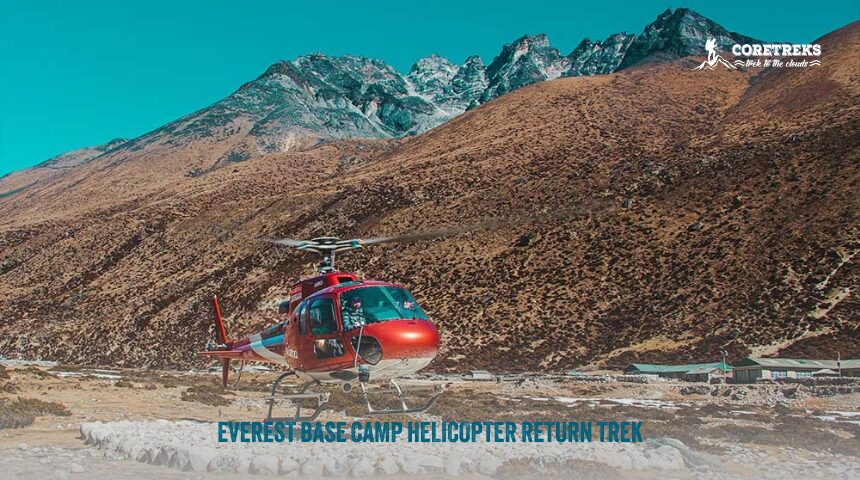
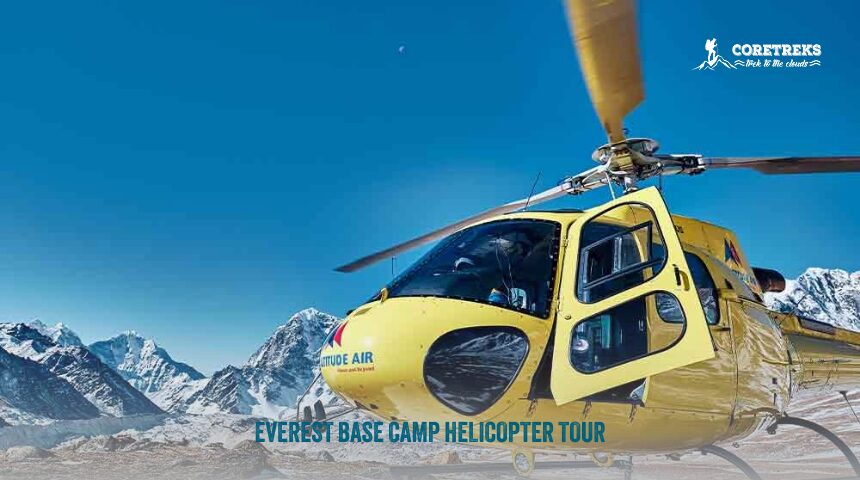
Everest Base Camp Helicopter Tour
While traveling overland may seem like an alternative to avoid flight delays, it is not recommended in July. Overland access to Lukla, such as the ‘Pioneers’ Route’ from Jiri to Base Camp, is susceptible to road blockages caused by landslides. Therefore, relying on overland transportation to reach Lukla during this time of the year is not advisable.
You wake up early in the morning and peek outside your window. The surroundings are slightly cold. The grey-ish mist is mixed with the verdant greenery, providing a mystical feeling. Afar, an Everest stands tall and white, but the view is unclear. The tip-tap of the raindrops feels like music to the ear.
You get the raincoat from your backpack and start trekking. The sound of gushing streams is enchanting, as is the sound of the forest. The trails might be slippery, but you are also determined. This is the Everest Base Camp Trek in July, a journey through the green and moist landscape. But there are challenges, too.
This article explores the pros and cons of this adventure. Read along if you consider trekking to Everest Base Camp in July.
Advantages of Hiking EBC in July
Everest Base Camp Trek in July is a rarity, but not unheard of. The challenging weather conditions and risky trails of monsoon/summer add to the difficulty of the EBC Trek. But those who can seep through the risks will experience the trek of a lifetime. Here are some of the advantages of hiking EBC in July.
Less Trekkers
Unlike the peak seasons (spring and autumn), July has fewer trekkers. Since July is the off-season, many people opt not to do the trek because of the extreme weather conditions. Since there are fewer trekkers, the teahouses and trails are peaceful, giving you a more personal experience. You can truly connect with nature in the EBC trek in July.
Off-season Discounts
Since few people attend the Everest Base Camp Trek in July, travel agencies offer off-season discounts to attract customers. There might even be discounts on airfare. You will not only find the accommodations easily, but you might also enjoy the reduced room prices. However, tea houses don’t offer a discount on food items. So, hiking to EBC in July means saving the extra bucks.
Vibrant Greenery and Lush Landscapes
During the monsoon, the lower Khumbu region becomes a green paradise. The forests and grasses of Sagarmatha National Park are at their most vibrant. You will also witness blooming wildflowers covered in raindrops. The rain-fed river and waterfall will be swelling and growling at their loudest in July.
Cooler Monsoon Mist and Clouds
While July is usually associated with higher temperatures, as it lies in the summer, it also falls during the monsoon. So, the temperature in the lower region is higher, but the atmosphere also gets cooler due to the monsoon mist. The monsoon clouds often act as a barrier between you and the sun.
Challenges of the EBC Trek in July
As mentioned above, the EBC Trek in July comes with various challenges due to the monsoon season. We have presented some significant difficulties you might face if you choose trekking this month.
Extreme Weather Conditions
Since July is the peak monsoon month, most of the Everest Region’s regions, especially the lower regions, will receive significant rainfall. The temperature in July is also at its peak, reaching about 19°C or more in the lower area. Such extreme weather is uncomfortable for trekking since you will be troubled by rain and temperature.
Dangerous Trail
Frequent rain makes the trail muddy and slippery, especially in the section that is not paved. It becomes hazardous at ridges, where the chances of an accident are higher. The humid nature of monsoons also increases the number of leeches and other insects on the trails. While it is not likely, some of the trails might also experience a landslide.
Obstructed Mountain Views
Monsoons are characterized by thick clouds and mists, often obscuring mountain views. What advantage is a Himalayan trek like the EBC Trek when you can’t witness unobstructed views of Everest and other mountains? To catch a glimpse of the mountains, you have to wait for the clouds to go away or wait for the time before the clouds build up.
Flight Delays and Cancellations
Lukla airport is known as one of the most dangerous airports in the world. When the atmosphere is misty and raining heavily, the chances of the flight being operated are zero, resulting in flight delays or even cancellations. This can disrupt the schedule, and you might need extra buffer days, which can cost you additional money.
Can A beginner do the Everest Base Camp Trek in July?
Now, you have a fair share of ideas about the challenges posed by the July weather conditions for the Everest Base Camp Trek. You might even have a question about whether you can do this trek in July, especially if you are a beginner. The risk and EBC Trek difficulty significantly increase during July. Hence, we recommend you give it a second thought if you are a beginner. You can go for the Everest Panorama Trek, which is relatively easier, has manageable and less risky elevations.
That doesn’t mean the Everest Base Camp Trek in July is impossible for beginners. It is doable with correct preparation and assistance from the guide. Since the trek is physically and mentally taxing, you must build endurance with cardio and leg workouts. You also have to pack the right gear to avoid any unnecessary hassle. Like July, the most essential factor for doing this trek in the off-season is a trekking guide, who will help you navigate and provide safety. They are also necessary for immediate medical attention.
Weather Conditions of Everest Base Camp in July
July is Nepal’s monsoon season, characterized by daily rainfall and warm temperatures. Thus, the Everest Region experiences its highest precipitation levels during July. The lower region experiences heavy and frequent rain, making the trail muddy and slippery. Due to the higher rainfall, the humidity also increases, leading to damp conditions throughout the trek. The wind, however, is not as prevalent as in the winter. The average wind speed is about 16km/h.
The temperature is also at its highest in the Everest Region in July. The lower region experiences about 19°C, which is not hot compared to the lowlands, where the temperature can reach up to 30°C. However, the upper regions’ temperature is trekking-friendly, about 7 to 12°C. However, the nighttime temperature in the higher area is colder and can be around -2°C.
Everest Base Camp Trek Temperature in July in tabular form
Here is a table providing the range of daytime and nighttime temperatures at various locations on the EBC Trek.
Location
Elevation (m)
Daytime Temperature Range (°C)
Nighttime Temperature Range (°C)
Lukla
2,860
15°C to 19°C
10°C to 12°C
Namche Bazaar
3,440
12°C to 16°C
6°C to 8°C
Dingboche
4,410
14°C to 19°C
3°C to 5°C
Lobuche
4,940
8°C to 12°C
0°C to 2°C
Gorak Shep
5,164
7°C to 11°C
-2°C to 1°C
Accommodation During the Everest Base Camp Trek in July
Tea houses, lodges, and hotels are the most common accommodation options during the Everest Base Camp Trek, regardless of the month. While hotels and lodges are typical at lower elevations, tea houses are available at all elevations. Due to the harsh weather conditions, the tea houses might not have the proper facilities for you because the supplies needed for these accommodations are transported on foot. So, they may be closed or run on a turn basis.
Booking the room in advance may not be necessary, as fewer trekkers exist. We recommend you do so anyway. This will allow the tea houses or lodges to prepare the supplies needed to cater to you. That said, the tea houses or lodges might have an off-season discount on the rooms, which you can inquire about while booking or before confirming the room.
Why is a Trekking Guide Important For the EBC Trek In July?
A trekking guide is crucial for the EBC Trek in July. The heavy rain makes the trail slippery, and there might also be accident-prone areas. A guide ensures safety in such places and helps in navigation. Here are a few reasons why a guide is most beneficial for trekking to Everest Base Camp in July:
Managing Logistic
Having a trekking guide means breaking free from the hassle of managing logistics. In July, heavy rainfall can cause flight delays and sometimes even accommodation shortages. A guide ensures smooth travel by handling all these factors. They will ensure you get the first flight (when there are no delays). They will also take care of your permits and book the tea houses in advance. They will also help you hire a porter if needed.
Saftey Measures
The EBC trail in July is slippery and poses the risk of injuries and accidents. A guide will help you navigate such trails with ease and safety. They will also guide you through alternative routes if there are any landscape-prone areas. They are also trained to provide first aid and safety measures for altitude sickness symptoms if they arise.
Emergency Support
The weather in July can change rapidly. Besides, the risk of altitude sickness is also constantly present. While a guide can provide first aid and mitigate the risks to some extent, they won’t be able to provide you with professional medical help. If such a case arises, having a guide will ensure that you get the help through immediate evacuation.
How to hire a guide or porter in July?
You can hire a trekking guide and a porter through the trekking agencies. Agencies ensure they are licensed and trained. If you are not trekking with agencies, you can independently hire a guide through recommendation or even vacancy. Whatever the case, ensure that your guide is licensed and experienced.
A porter is also essential. They are trained to walk on the trails, whether it is raining or not. This way, you can focus solely on walking and enjoying the trek. For porters, you can hire local sherpas after landing in Lukla.
Given the challenges, an experienced guide will charge you about USD 30 to USD 40 per day, and the porter might cost you about USD 15 to USD 25 per day.
Necessary Packing list for the EBC trek in July
Since July is the monsoon season, the winter packing list wouldn’t work. When trekking in July, it’s essential to pack the appropriate gear to tackle the rainy conditions. So, here is a July-specific packing list, excluding the general EBC Trek Packing list that is common for all months.
Gaiters (for mud and leech protection)
Extra hiking socks (due to frequent wet conditions)
Lightweight, Quick-Dry Clothes – Avoid cotton; opt for moisture-wicking materials.
Waterproof Jacket & Pants – Essential for rain protection. A poncho can also be helpful.
Waterproof gloves (light but necessary for damp and cold hands)
Waterproof backpack cover (essential for heavy rain)
Dry bags (to keep electronics and clothes dry)
Leech repellent (salt or anti-leech spray)
Insect repellent (mosquitoes and flies are more common in the monsoon)
Quick-dry towel (useful for frequent rain and humidity)
Trekking poles (extra stability on slippery and muddy trails)
Pro Tips on Trekking the Everest Base Camp in July
Here are some of the pro trips on the Everest Base Camp Trek in July that might be helpful for you in dealing with the challenges, allowing you to successfully and safely complete the trek:
Choose waterproof and quick-dry clothing to handle the frequent rain and high humidity.
Afternoon rain showers are common during the monsoon season. So, start trekking early in the morning.
Carry insect repellent and wear long socks and gaiters to protect yourself from leeches, which are common in lower elevations due to monsoon humidity.
Keep extra buffer days in your itinerary for possible flight cancellations and weather-related delays.
Keep all electronics, clothes, and essential documents in dry bags to prevent water damage.
Cover your backpack with the waterproof cover to prevent rain from seeping inside and wetting your clothes and essentials.
Book accommodations in advance, as many teahouses may be closed or have limited supplies during the off-season.
Safety Protocols for Everest Base Camp Trek in July
Safety is a significant concern while trekking in July as the trails are slippery and the weather is harsh. Here are some of the safety protocols you must follow to ensure a safe trekking experience:
Choose a local and experienced guide to help navigate muddy trails and provide immediate medical assistance.
Check weather updates daily to stay informed about potential storms, landslides, or heavy rainfall affecting the trail.
Stick to marked trails and avoid risky shortcuts, as rain can cause landslides and make specific paths unstable.
Carry a fully stocked first aid kit with altitude sickness medication, antiseptic wipes, and waterproof bandages for emergencies.
Stay hydrated and eat well to maintain energy levels and reduce the risk of altitude sickness, even in humid conditions.
Add acclimatization days, even in July, to reduce the risk of altitude sickness.
Conclusion
Don’t let July’s rainy conditions deter you! With proper preparation and a spirit of adventure, you can witness the awe-inspiring beauty of the Himalayas on the Everest Base Camp Trek in July. Take a step forward and challenge yourself to walk the trails, learn about Sherpa culture, and enjoy the beautiful mountain views. Seize this opportunity to create memories that will last a lifetime.
It’s time to lace up your boots, embrace the rain, and make your dream of reaching Everest Base Camp a reality. Join us on this incredible journey in July, and let the wonders of the Everest region leave an indelible mark on your soul.
FAQs For Everest Base Camp in July
Is July a good time for the EBC Trek?
July is not considered a good time for the EBC Trek as it is the monsoon season. Trekking becomes difficult because of the high temperatures, heavy rain, and slippery trails. Moreover, the views are also not clear due to cloudy skies.
What’s the weather like in July?
Daytime temperatures in the lower region can reach up to 19°C, while around 10°C in the upper area. In areas like Gorak Shep, the nighttime temperature can drop below 0°C. Besides, frequent rainfall, high humidity, and cloudy conditions will occur.
Will I see clear mountain views?
Dense clouds and fog often obstruct mountain views in July. Sometimes, after the rain, the sky clears and you can see beautiful views of the peaks.
Are flights to Lukla affected in July?
Yes, weather disruptions are common in July. Heavy rain, visibility issues due to clouds, and strong winds often lead to flight delays or cancellations.
How crowded is the EBC Trek in July?
EBC Trek in July is not crowded. Fewer trekkers are on the trails, as many prefer not to trek due to the challenges and risks involved.
How safe is the EBC Trek in July?
EBC Trek in July involves risks and hence can be unsafe. However, it is safer if you are cautious, have planned and prepared carefully, and follow the instructions provided by the guide.
Will I need a guide?
Yes! A guide is mandatory for EBC Trekking, regardless of the month. With unpredictable weather, slippery trails, and fewer trekkers, a guide can ensure safety, navigate detours, and provide insights on the best routes and conditions.
What gear is essential for July?
A waterproof jacket, quick-dry clothing, sturdy waterproof boots, gaiters, and a rain cover for your backpack are must-haves. Trekking poles help with stability on muddy trails, and extra socks and layers are also helpful.
Are teahouses open in July on the EBC Trek?
Yes! But there might be a few of them because of the weather conditions. You won’t have trouble finding accommodation, and prices may be slightly lower.
How are the trekking conditions?
Due to heavy rain, lower trails are wet and muddy and may have leeches. Higher altitudes remain drier but can be windy. The views might not be apparent due to the cloudy environment. But the verdant greenery and the views after rain improve the trekking experience.
Mr. Bhatta started as trekking guide and is now a successful travel operator in Nepal. He is an environmentalist, committed to promote Ecotourism in Nepal. Mr. Bhatta has been engaged in improving the livelihood of residence of The Himalayas through Helping Hands for Himalayan People (HHHP Nepal) a non-profit organization built to improve living standard of the local community.
Boudhanath Stupa is one of the most sacred Buddhist sites in the world. It is a religious site and a cultural hub for pilgrims, especially Tibetan Buddhists. Similarly, it is one of Nepal's largest, 36-meter-high, and 100-meter-wide stupas in the capital city of Kathmandu. The stupa is located just 7 km northeast of central Kathmandu,…
The Everest Base Camp Trek in February is a one-of-a-kind experience that trek enthusiasts must take once. Contrary to many trekkers who believe winter months are unsuitable for Himalayan ventures, trekking in February is doable. It is just the time when the cold winter slowly transitions into the warm spring season. Therefore, trekking on the…
Many of you might be curious about the Manaslu Circuit Trek after earthquake in Nepal and whether it is safe for trekking. Fortunately, yes. The trail that was heavily damaged by the 2015 Nepal earthquake has re-opened. So what are the conditions of the trails, accommodation availability, and risks of Manaslu Circuit Trek after the…
This site uses cookies to optimize your user experience. By using this site, you are consenting to our use of these cookies. Check out our Privacy Policy.