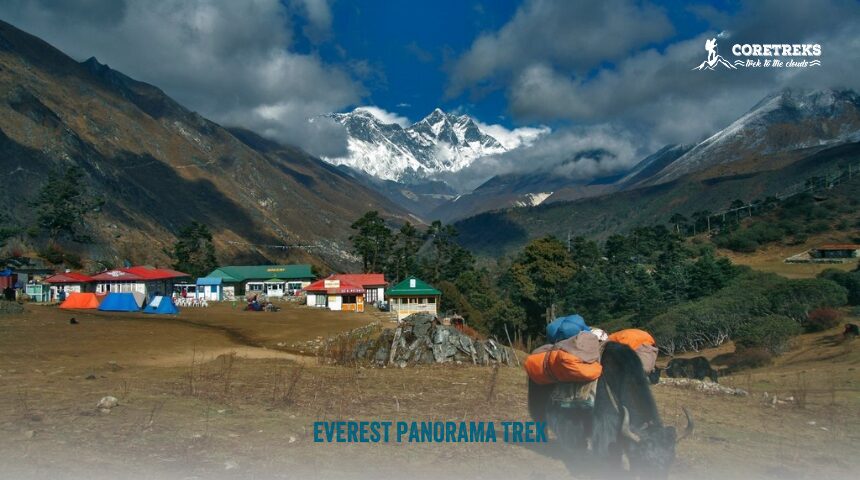
Hiking to Everest Base Camp is a dream for many adventurers and outdoor lovers. With its stunning vistas and awe-inspiring landscapes, this trek is undoubtedly one of the greatest challenges and triumphs for any adventurer. But how long does it take to complete the Everest Base Camp trek? The answer isn’t as simple as you might think.
The average duration for completing this trek is around 12 to 14 days, depending on various factors such as your fitness level, acclimatization needs, and the route chosen. It’s important to remember that this isn’t a race; it’s a journey that requires proper planning and pacing. During the trek, you will pass through rough trails, Sherpa villages, and some of the world’s most amazing paths.
Everest Base Camp
From Lukla to Phakding, Namche Bazaar to Tengboche, each step brings you closer to the majestic Everest Base Camp. You will have the opportunity to soak in the beauty of the Khumbu Icefall, stand in awe of towering peaks like Ama Dablam, and experience the rich Sherpa culture along the way.
So, lace up your boots, pack your backpack, and get ready for an unforgettable journey to Everest Base Camp. It’s time to conquer the heights of the world’s highest peak.
Table of Contents
Overview of the Route and Highlights:
Located in the heart of the Himalayas, the Everest Base Camp Trek invites adventurers to see the world’s highest peak, Mount Everest. The trek goes through the Khumbu region of Nepal, with snowy peaks, green valleys, and lively Sherpa villages.
Everest Base Camp
Along the way, trekkers pass through iconic landmarks such as Namche Bazaar, Tengboche Monastery, and the Khumbu Icefall.
Wonderful Team and Amazing Views
I had such a good time trekking to Everest Base Camp with CoreTreks. From the start, the team was really helpful and made sure we were taken care of. Our guide knew so much and made the trip fun and interesting. The trail had amazing views everywhere we looked.
The places we stayed were nice and the food was tasty. I always felt safe and supported during the trek. This trip was very special for me, and I’m really happy I chose CoreTreks.
I had such a good time trekking to Everest Base Camp with CoreTreks. From the start, the team was really helpful and made sure we were taken care of. Our guide knew so much and made the trip fun and interesting. The trail had amazing views everywhere we looked.
The places we stayed were nice and the food was tasty. I always felt safe and supported during the trek. This trip was very special for me, and I’m really happy I chose CoreTreks.
Anna
Germany
Duration and Distance of the Everest Base Camp Trek
The Everest Base Camp Trek typically spans about 12 days, covering a distance of approximately 130 kilometers (80 miles) round trip. The journey begins and ends at Lukla, a small airstrip perched on a mountainside. Trekkers can expect to hike for an average of 5 to 7 hours each day, with the pace adjusted to acclimatize to the high-altitude conditions.
EXPLORE EVEREST BASE CAMP IN 10 DAYS OR LESS
From Dingboche, you can see Ama Dablam and enjoy snowy mountain views when you arrive. For those with limited time, a concise 10-day Everest Base Camp trek is an enticing option. Although you’ll spend less time in Namche Bazaar, a vital Sherpa cultural hub, the condensed itinerary doesn’t provide as much room for acclimatization – a crucial consideration.
An expedited route also exists for those seeking efficiency. Opting for a chopper return to Lukla eliminates the need to backtrack through Namche Bazaar and Dingboche, reducing the overall trek time to 8 days. This option offers a swift yet fulfilling Everest Base Camp experience.
For an unconventional yet time-efficient approach, consider driving to the Tibetan Everest Base Camp from Lhasa. Reach Rongbuk, then hike 8–9 hours to Everest Base Camp before returning to Shigatse. While less physically demanding than a multi-day trek, this option caters to those with time constraints.
If the allure of adventure beckons on your next Nepal journey, explore our Everest Base Camp treks. Connect with our travel experts for a personalized trip to Nepal that aligns with your preferences and timeframe. Uncover the beauty of Everest in a way that suits your schedule and thirst for exploration.
Factors That Can Affect the Length of the Trek
Several factors influence the duration of the trek, including individual fitness levels, weather conditions, and acclimatization breaks. Altitude sickness is a genuine concern, and taking the necessary time to acclimatize is crucial for a successful and safe journey. Recommended Itinerary for the Everest Base Camp Trek
To maximize acclimatization and enjoyment, a well-planned itinerary is essential. A popular route includes stops at Namche Bazaar, Dingboche, Lobuche, and Gorak Shep before reaching Everest Base Camp. Many trekkers take a side trip to Kala Patthar for the best view of Everest and nearby mountains.
✅Day 1: Arrival In Kathmandu ✅Day 2: Flight from Kathmandu (1,400m ) to Lukla (2,850m). Trek to Phakding ( 2,650m) ✅Day 3: Trek from Phakding (2,650m ) to Namche Bazaar (3,440m ) ✅Day 4: Rest day and acclimatization at Namche ✅Day 5: Trek from Namche (3,440m ) to Tengboche/ Deboche (3,855m / 12,850ft) ✅Day 6: Trek from Tengboche (3,855m ) to Dingboche (4,360m) ✅Day 7: Rest day and acclimatization at Dingboche ✅Day 8: Trek from Dingboche (4,360m ) to Lobuche (4,930m) ✅Day 9: Trek from Lobuche (4,930m)to EBC (5,364m) and back to Gorak Shep (5,185m ) ✅Day 10: Hike to Kala Patthar(5,555m ) viewpoint, trek to Gorak Shep then to Pheriche. ✅Day 11: Trek from Pheriche (4,250m ) to Namche Bazaar ✅Day 12: Trek from Namche Bazaar to Lukla ✅Day 13: Fly back to Kathmandu ) from Lukla ✅Day 14: Final Departure
Physical Fitness and Preparation for the Trek
The Everest Base Camp Trek demands a reasonable level of fitness. Prior preparation through cardiovascular exercises, strength training, and hiking is recommended. Mental preparedness is equally important, as trekkers will face physical challenges and the psychological impact of high-altitude environments.
Accommodation and Facilities Along the Trekking Route
Teahouses, basic lodges offering meals and shelter, are the primary accommodation along the route. While facilities are simple, they provide a cozy respite for trekkers. Hot showers, Wi-Fi, and charging services are available at an extra cost. Carrying a sleeping bag is advisable, as temperatures can drop significantly, especially at higher altitudes.
Tips for a Successful Everest Base Camp Trek
Hydration is Key: Staying hydrated helps combat altitude sickness. Drink plenty of water throughout the trek.
Pack Wisely: Keep your backpack light and essentials handy. Layers of clothing are crucial for adapting to changing temperatures.
Follow Acclimatization Guidelines: Listen to your body and follow the recommended acclimatization schedule to reduce the risk of altitude-related illnesses.
Safety Considerations and Potential Challenges
Altitude sickness, challenging terrain, and unpredictable weather are the primary challenges. Trekkers should be aware of the symptoms of altitude sickness and have a contingency plan in place. Travel insurance that covers evacuation in case of emergencies is highly recommended.
Conclusion and Final Thoughts
The Everest Base Camp Trek is an unparalleled adventure that immerses trekkers in the beauty and grandeur of the Himalayas. From the culture of the Sherpa people to the amazing landscapes, every step shows the courage and spirit of human adventure. With good preparation, respect for nature, and willingness to face challenges, the Everest Base Camp Trek is more than just a hike it leaves a lasting memory. Lace up your boots, start this special journey, and experience the wonder of the Everest Base Camp Trek.
Mr. Bhatta started as trekking guide and is now a successful travel operator in Nepal. He is an environmentalist, committed to promote Ecotourism in Nepal. Mr. Bhatta has been engaged in improving the livelihood of residence of The Himalayas through Helping Hands for Himalayan People (HHHP Nepal) a non-profit organization built to improve living standard of the local community.
Boudhanath Stupa is one of the most sacred Buddhist sites in the world. It is a religious site and a cultural hub for pilgrims, especially Tibetan Buddhists. Similarly, it is one of Nepal's largest, 36-meter-high, and 100-meter-wide stupas in the capital city of Kathmandu. The stupa is located just 7 km northeast of central Kathmandu,…
The Everest Base Camp Trek in February is a one-of-a-kind experience that trek enthusiasts must take once. Contrary to many trekkers who believe winter months are unsuitable for Himalayan ventures, trekking in February is doable. It is just the time when the cold winter slowly transitions into the warm spring season. Therefore, trekking on the…
Many of you might be curious about the Manaslu Circuit Trek after earthquake in Nepal and whether it is safe for trekking. Fortunately, yes. The trail that was heavily damaged by the 2015 Nepal earthquake has re-opened. So what are the conditions of the trails, accommodation availability, and risks of Manaslu Circuit Trek after the…
This site uses cookies to optimize your user experience. By using this site, you are consenting to our use of these cookies. Check out our Privacy Policy.