June is the peak monsoon season in Nepal, characterized by hot and wet weather. The roads become muddy and trekking routes often erode due to heavy rainfall. Trekking can be challenging during this month due to unpredictable weather conditions.
We advise against mountain treks in June because the mountains are typically covered in clouds, obstructing clear views. Instead, we recommend visiting the rain-shadowed regions beyond the mountains, where rainfall is minimal. These areas are suitable for summer trekking.
Trekking in June allows one to explore the diverse geography and experience climatic variations in different parts of Nepal, excluding the mountains. You can also immerse yourself in the cultural diversity found throughout the country. While it may rain at night, mornings often offer clear skies, adding excitement to your trekking experience.
Throughout Nepal, you can observe agricultural activities in full swing during this month. The lush vegetation surrounding you adds to the enchanting scenery. The cooler climate keeps you energized and motivated despite the challenging road conditions. When planning your trek, consider factors beyond rain, heat, and leeches.
If you choose to trek in June, be prepared to encounter rain showers and potentially encounter muddy roads in lowland and hilly areas. However, as you venture to the other side of the mountains, you will experience dry and windy summer weather with no rain. This time of year sees fewer tourists on treks due to the climatic conditions, resulting in less crowded trails and easier accommodations, adding to your overall enjoyment and peace.
Table of Contents
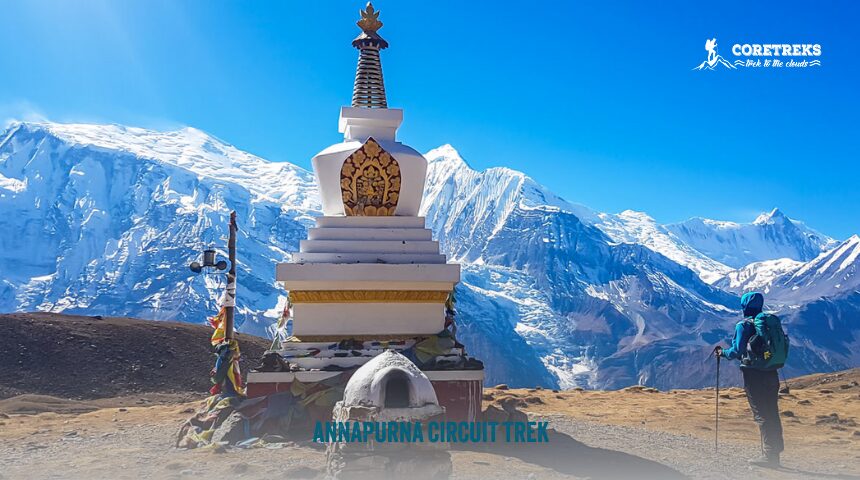
Annapurna Circuit Trek
The Annapurna Circuit trek is renowned for its adventurous trails, offering a memorable experience due to its exotic landscapes and the captivating lifestyle of the mountain people.
Fun Family Trip Across Nepal
My family and I had a great time in Nepal. It’s such a beautiful country, with the Himalayas standing tall and proud. We started with a one-hour scenic mountain flight that gave us amazing views of the snow-covered peaks.
In Kathmandu, we visited UNESCO cultural sites and watched the sunrise from Nagarkot, which was really peaceful. We also went on a jungle safari in Chitwan and had so much fun.
Thanks to CoreTreks and their team for making everything easy and enjoyable. If you’re planning a family trip, we truly recommend them.
My family and I had a great time in Nepal. It’s such a beautiful country, with the Himalayas standing tall and proud. We started with a one-hour scenic mountain flight that gave us amazing views of the snow-covered peaks.
In Kathmandu, we visited UNESCO cultural sites and watched the sunrise from Nagarkot, which was really peaceful. We also went on a jungle safari in Chitwan and had so much fun.
Thanks to CoreTreks and their team for making everything easy and enjoyable. If you’re planning a family trip, we truly recommend them.
Manfred
Germany
As you begin this trek, you will pass through Manang, where dramatic cliffs and soaring mountain peaks create stunning scenery. The trail continues to Muktinath, accompanied by the soothing flow of the Kali Gandaki rivers cascading downhill. Along the way, you will come across Kagbeni, a place adorned with numerous Buddhist monasteries. Additionally, Kagbeni holds great significance in Hindu mythology, adding to its allure.
One of the remarkable features of the upper part of the Annapurna Circuit trek is that it lies in the rain shadow area, making it an ideal choice for monsoon treks. The routes are less crowded during this season, allowing you to immerse yourself in the untouched beauty of the landscape fully.
Highlights
The Annapurna Circuit trek is filled with remarkable highlights that make it a truly unforgettable adventure:
Thorong La Pass: This renowned pass is not only one of the highest in the world but also a major attraction of the trek. Standing at an impressive 5,614 meters above sea level, crossing Thorong La Pass delivers expansive mountain horizons and a true sense of accomplishment.
Muktinath Temple: A significant Hindu temple dedicated to Lord Vishnu, Muktinath Temple is a must-visit on the trek. Its courtyard is adorned with 108 water spouts, adding to the awe-inspiring sightseeing experience.
Ancient Monasteries: Throughout the trek, you’ll encounter unique and ancient monasteries that reflect the Tibetan influence on the region’s daily life. These monasteries hold cultural and spiritual importance, providing insights into the rich heritage of the area.
Spectacular Mountain Views: The Annapurna Circuit rewards travelers with wide-ranging panoramas of some of the world’s most renowned mountain ranges. You’ll be treated to the awe-inspiring sights of Dhaulagiri, Annapurna ranges, Manaslu, Nilgiri, Machhapuchhre, Hiunchuli, Lamjung Himal, and Tilicho Peak.
Tilicho Lake: Situated at the highest altitude in Nepal, Tilicho Lake is a true natural wonder. Located at an astounding height of 4,919 meters above sea level, it mesmerizes trekkers with its serene beauty and captivating surroundings.
Together, these highlights create an extraordinary trekking experience that reflects the Annapurna region’s natural, cultural, and spiritual richness.
The trek route of the Upper Mustang Trek takes you through remote and awe-inspiring trans-Himalayan mountain areas. Starting from Kagbeni, the trail extends south into the Tibetan-influenced region that lies in the rain shadow.
During the trek, you will encounter the captivating ancient kingdom of Lo, known as Lo-Manthang. This remarkable kingdom will leave you amazed by its rich history and cultural significance. The king’s palace stands as a testament to the heritage of the region, offering a glimpse into the past. Lo-Manthang was once a vital stop on the ancient salt route, and you may even witness yaks lined up for trade with Tibet, a sight that immerses you in the local trading traditions.
The rugged caves with their numerous openings preserve the history of the native inhabitants who once called them home before settling in the valley for agricultural pursuits.
As you explore the area, you’ll come across a museum and a school that teaches the ancient healing art of Shamanism, offering a unique insight into the traditional practices of the region. Surrounding the area, you’ll find many Gompas, where you can offer prayers and make wishes, with the belief that they will be fulfilled.
The trek also provides an opportunity to visit Damodar Kunda, an exotic lake steeped in Hindu mythology, among the 108 lakes. Along the way, you’ll encounter hidden caves, monasteries, and ancient Buddhist villages, adding to the cultural and natural charm of the journey.
It’s important to note that this trek requires a special trekking permit and must be done with a registered license holder. However, there are many trekking companies available to assist you with the necessary legal formalities, ensuring a smooth and enjoyable experience.
Highlights
The Upper Mustang Tre is filled with remarkable highlights that add to its allure:
Majestic Mountain Views: Across the trek, you’ll enjoy sweeping mountain outlooks, including iconic peaks such as Dhaulagiri and the Annapurna range. These towering peaks create a stunning backdrop and offer a sense of awe-inspiring beauty.
The Hidden Kingdom of Mustang: One of the most fascinating highlights of the trek is the opportunity to explore the hidden kingdom of Mustang. Mustang has its own unique history and culture, and it was once an independent kingdom. The kingdom is enclosed by high walls that were built for security purposes, adding to its mystique.
The Walled City: Within Mustang, you’ll discover the walled city of Lo-Manthang. This ancient city is a treasure trove of history and cultural significance. The city’s walls provide a sense of protection and have helped preserve its unique heritage over the centuries.
Ancient Monasteries: The Annapurna Circuit trek takes you through a region that is rich in ancient monasteries. These monasteries hold spiritual significance and provide a glimpse into the religious practices and traditions of the area. Exploring these sacred sites adds depth and cultural immersion to your trekking experience.
These highlights contribute to the overall enchantment and allure of the Annapurna Circuit trek, offering a unique blend of natural beauty, cultural heritage, and historical intrigue.
The trek to Nar Phu Valley begins from Lamjung Besisahar, located in the northeastern part of the Annapurna region. While rainfall can cause challenges in some areas, the Nar Phu Valley often provides drier conditions, making the journey more manageable.
Nar Phu Valley uniquely blends unspoiled Himalayan nature and ancient Buddhist culture. This hidden mountain valley remains relatively unexplored, allowing you to immerse yourself in its untouched beauty. The local people in Nar Phu Valley still follow ancient Tibet’s age-old traditions and culture of ancient Tibet, adding a distinct cultural experience to your trek.
Throughout the Nar Phu Valley trek, you’ll encounter wildflowers, rolling hills, and serene valleys full of natural beauty. The local residents lead a traditional way of life, cultivating crops such as potatoes, buckwheat, and barley, while also tending to herds of yaks and sheep.
The Nar Phu Valley trek also highlights the harmony between nature and culture, creating a rewarding and meaningful experience.
Highlights
The Nar Phu Valley trek is filled with captivating highlights that enrich your journey:
Mixed Himalayan and Tibetan Culture: During the Annapurna Circuit trek, you’ll have the opportunity to immerse yourself in a blend of Himalayan and Tibetan cultures. The people residing in the high Himalayan regions have strong connections to Tibetan traditions, reflected in their lifestyle. You’ll witness religious Chortens and prayer flags fluttering in the wind, adding a spiritual and cultural ambiance to your journey.
Manang: Along the trek, you’ll come across the village of Manang, known for its tranquil atmosphere and fewer inhabitants compared to other settlements. The rugged terrains and challenging climate make it difficult for large-scale settlements, resulting in dispersed and smaller communities. Exploring these less-traveled villages also gives insight into the challenges and way of life of the people who call this region home.
Pasturelands and Buddhist Monasteries: As you traverse the Annapurna Circuit, you’ll encounter vast ranges and Buddhist monasteries. These highland pastures offer stunning vistas and a sense of serenity amid the surrounding mountains. The Buddhist monasteries provide a place for contemplation and spiritual connection, offering a peaceful respite after long days of trekking.
Tatopani Hot Springs: A refreshing highlight of the trek is reaching Tatopani, where natural hot springs await. These soothing hot springs provide a well-deserved opportunity to relax and rejuvenate tired muscles. Taking a dip in the warm waters of Tatopani offers a welcome relief and a chance to wash away any fatigue accumulated during the trek.
These highlights of mixed culture, remote settlements, natural beauty, and relaxing hot springs enhance the overall experience of the Annapurna Circuit trek, creating lasting memories of your journey through the Himalayas.
Everest Base Camp Trek
Everest Base Camp
The Everest Base Camp Trek brings travelers face-to-face with Mount Everest while also offering opportunities for expeditions deeper into the Himalayas.
The trek commences from Lukla, serving as the starting point of your adventure. Along the way, you will be immersed in the culture, traditions, and dramatic mountain scenery of the Khumbu region.
During the trek, your eyes will be treated to the sights of typical Sherpa settlements, each with its own unique charm. Notable settlements include Namche Bazaar, Tengboche, and Dingboche, where you can immerse yourself in the local way of life and experience the Sherpa culture firsthand.
One of the highlights of this trek is a visit to the Kala Patthar region, located at an altitude of 5,600 meters. From this vantage point, you can behold stunning views of various peaks, including Mount Everest itself. Additionally, you will have the opportunity to witness the awe-inspiring Khumbu glaciers, the majestic Ice Falls, and the steep ridges that add to the indelible memories of your journey. Exploring the Mount Everest Base Camp area will provide an extra sense of amusement and achievement.
If you are a foreign tourist, aside from Nepalese nationals, it is necessary to obtain a trekking permit. However, there is no need to worry as we can assist you in completing all the necessary formalities.
Throughout the trek, you will find numerous local restaurants and lodges that provide good accommodation services. If you choose to travel in June, you may find cheaper prices for bookings due to the lower influx of tourists during this period.
Highlights
The Everest Base Camp trek is filled with captivating highlights that make it a truly remarkable experience:
Trek to the Foothills of Everest: The route to Everest Base Camp allows you to marvel at the world’s highest peak and take in sweeping views of the surrounding mountains.
Sir Edmund Hillary School: In the village of Khumjung, you can visit the school established by Sir Edmund Hillary, the renowned mountaineer. This school serves as a testament to his legacy and dedication to education in the region.
Spectacular Mountain Views: Throughout the trek, you’ll be treated to magnificent views of iconic mountains such as Mount Everest, Mt. Lhotse, Makalu, Nuptse, and Thamserku. These towering peaks create a majestic backdrop for your journey.
Sagarmatha National Park: The trek takes you through Sagarmatha National Park, a UNESCO World Heritage site. Here, you can explore the pristine beauty of the Gokyo lakes, encounter adventurous gorges, and witness a diverse array of bird and animal species protected within the park.
Ancient Sherpa Villages: Along the trail, you’ll come across scattered settlements of typical Sherpa people, offering a glimpse into their unique lifestyle, traditions, and warm hospitality.
Remote Mountain Monasteries: The region is dotted with remote mountain monasteries with rich cultural and historical significance. These monasteries, adorned with religious Chortens and prayer flags, create a spiritual atmosphere and provide insight into the Sherpa Buddhist traditions. The Tengboche Monastery, the largest in the Khumbu region, is a particularly notable highlight.
Namche Bazaar: Known as the gateway to “the top of the world,” Namche Bazaar is a bustling hub where trekkers gather and prepare for their Everest adventure. The lively market, welcoming cafés, and far-reaching vistas make it a memorable stop on the trek.
These highlights, ranging from natural wonders to cultural landmarks, combine to create an unforgettable journey to the Everest Base Camp, offering a unique blend of adventure, spirituality, and awe-inspiring beauty.
Dolpo, a hidden paradise beyond the Himalayas, remains relatively unknown to many. Unlike the lush greenery in other parts of Nepal, Dolpo resembles the vast Tibetan plateau, exuding a distinct charm.
This remote region is a treasure trove of ancient traditions, particularly the Bon religion, which the followers of Tibetan Buddhism practice. Dolpo serves as a sanctuary for preserving these antique beliefs.
Due to its geographical isolation, Dolpo becomes inaccessible during the winter months when heavy snowfall blocks the mountain passes. Therefore, June is the ideal time to visit Dolpo, offering pleasant summer weather characterized by dryness and a gentle breeze.
One of the remarkable experiences in Dolpo is witnessing the traditional trade routes that connect the region with Tibet. Each day, you’ll witness the bustling trade activities of the Dolpo people, providing a glimpse into the centuries-old trading practices. Surprisingly, you may recognize the terrains as the setting of the iconic movie “CARAVAN,” further adding to the allure of the journey.
Furthermore, you’ll have the opportunity to traverse through vibrant green pastures, leading you to the pristine Phoksundo Lake. This trek will take you across various mountain passes, immersing you in the charm of scattered villages and settlements that dot the landscape.
The journey through Dolpo also unveils the magnificent Rara Lake and Rara National Park, both of which will captivate your senses. The national park is home to a diverse range of wildlife, including the elusive Red Panda, Himalayan Black Bear, Musk Deer, Langur, and many more, adding an extra element of excitement and natural beauty to your trip.
Exploring Dolpo offers an extraordinary adventure, with its ancient traditions, stunning landscapes, and unique wildlife. It truly is a hidden gem waiting to be discovered beyond the majestic Himalayas.
Rara Lake: Nepal’s largest and deepest freshwater lake, known for its pristine countryside.
Bon Culture: Upper Dolpo preserves the pre-Buddhist Bon culture, with captivating Bon dance during festivals.
Ancient Monasteries: Dolpo boasts numerous ancient Gompas, reflecting a strong Tibetan influence.
Shey Gompa: An eleventh-century Buddhist monastery that stands as a historical and religious treasure.
Nomadic People: Dolpo is home to nomadic Bon Buddhists with a deep connection to Tibet.
Trekking in June Nepal – Tips and Insights
Experience the Trek: In the lower elevations, prepare for rain and muddy trails, but also expect glimpses of vibrant farming villages, terraced fields, and lush green forests. As you ascend to higher elevations, the weather turns dry, allowing for clearer paths.
Tips for the Trek:
Early Departure: Nepal’s monsoon patterns differ, with rainfall typically occurring in the evenings. To avoid getting caught in the rain, start your trek early and reach your desired destination before the rain sets in.
Insect Repellent: June is mosquito and leech season. Be prepared by carrying insect repellent or table salt to protect yourself from these bothersome insects.
Prepare for Possible Delays: Flights may experience delays due to unpredictable weather conditions. Plan for extra days and bring additional luggage to accommodate any unforeseen delays while traveling to and from the city.
Waterproof Backpacks: Ensure the safety of your belongings by using waterproof backpacks, providing peace of mind during wet weather.
Rain Gear: Stay dry and comfortable by carrying a raincoat or umbrella, as unexpected showers can occur at any time.
Embrace the beauty of nature and be well-prepared for your trekking adventure in June, embracing both the wonders and challenges of Nepal’s monsoon season.
Mr. Bhatta started as trekking guide and is now a successful travel operator in Nepal. He is an environmentalist, committed to promote Ecotourism in Nepal. Mr. Bhatta has been engaged in improving the livelihood of residence of The Himalayas through Helping Hands for Himalayan People (HHHP Nepal) a non-profit organization built to improve living standard of the local community.
Boudhanath Stupa is one of the most sacred Buddhist sites in the world. It is a religious site and a cultural hub for pilgrims, especially Tibetan Buddhists. Similarly, it is one of Nepal's largest, 36-meter-high, and 100-meter-wide stupas in the capital city of Kathmandu. The stupa is located just 7 km northeast of central Kathmandu,…
The Everest Base Camp Trek in February is a one-of-a-kind experience that trek enthusiasts must take once. Contrary to many trekkers who believe winter months are unsuitable for Himalayan ventures, trekking in February is doable. It is just the time when the cold winter slowly transitions into the warm spring season. Therefore, trekking on the…
Many of you might be curious about the Manaslu Circuit Trek after earthquake in Nepal and whether it is safe for trekking. Fortunately, yes. The trail that was heavily damaged by the 2015 Nepal earthquake has re-opened. So what are the conditions of the trails, accommodation availability, and risks of Manaslu Circuit Trek after the…
This site uses cookies to optimize your user experience. By using this site, you are consenting to our use of these cookies. Check out our Privacy Policy.