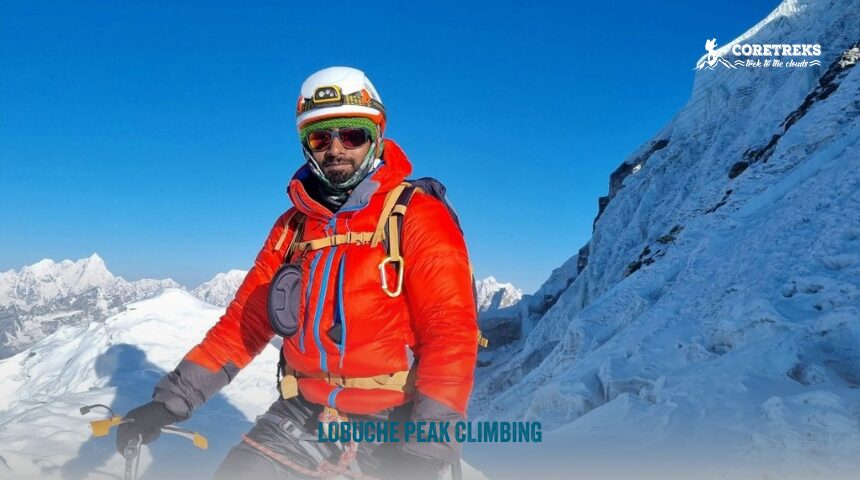
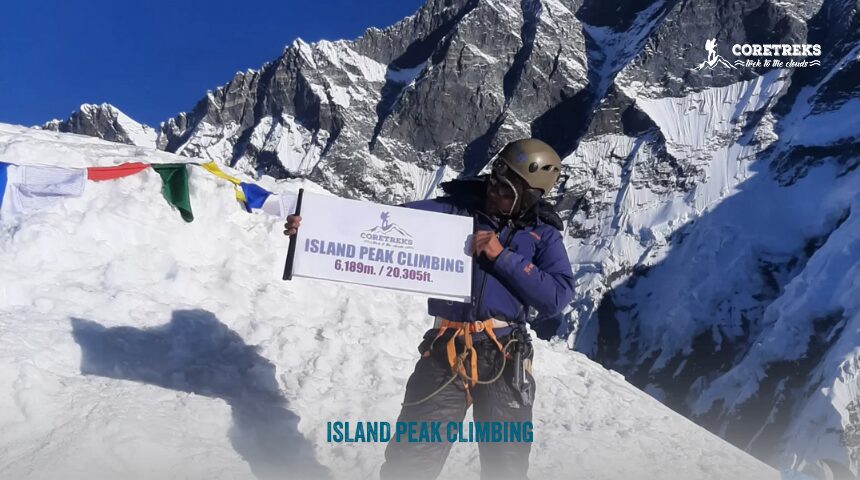
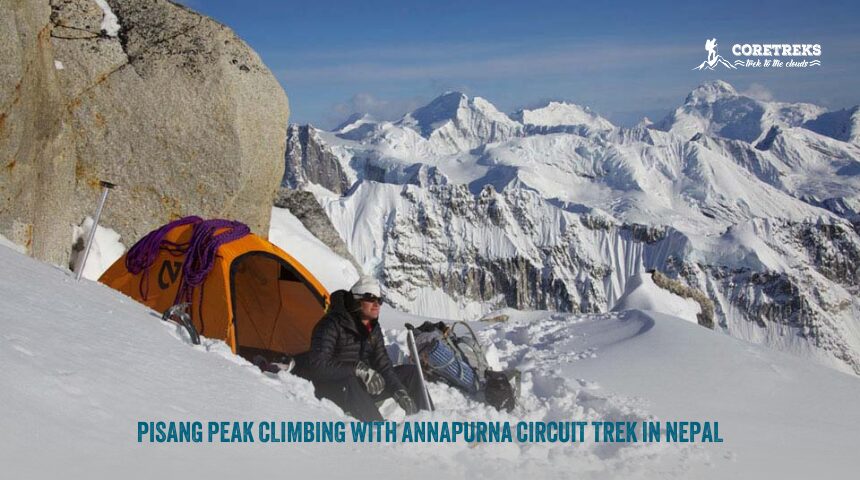
Nepal is a land of mountains and natural beauty, making it a popular destination for adventurers seeking to climb the world’s highest peaks. Peak climbing in Nepal has become a popular activity for mountaineers and adventure seekers from around the world. Nepal is the place where we can find eight of the ten highest peaks in the world, including Mount Everest. Which attracts climbers from around the world. Nepal is a land of diverse landscapes, from the snowy peaks of the Himalayas to the lush jungles of the Terai, making it an ideal destination for peak climbing.
Peak climbing is a physically challenging activity that requires a high level of fitness and mountaineering skills. It involves trekking to the base camp of the mountain, acclimatizing to the altitude, and then climbing the peak with the help of a team of experienced Sherpas and guides. Nepal offers a range of peaks that are suitable for climbers of different skill levels, from beginner to advance. The Nepal Mountaineering Association (NMA) has classified peaks into two categories: trekking peaks and expedition peaks.
Trekking peaks are peaks that are below 7,000 meters and are suitable for climbers with little or no mountaineering experience. These peaks are relatively easy to climb and require only basic mountaineering skills. Some of the popular trekking peaks in Nepal include Island Peak, Mera Peak, and Pisang Peak. These peaks offer stunning views of the surrounding mountain ranges and can be climbed within a few days.
Expedition peaks, on the other hand, are peaks that are above 7,000 meters and require advanced mountaineering skills and experience. These peaks are much more challenging and require a high level of physical fitness and mental toughness. Some of the popular expedition peaks in Nepal include Mount Everest, Lhotse, and Cho Oyu. Climbing these peaks requires months of preparation and training, and only experienced mountaineers are advised to attempt them.
Peak climbing in Nepal is a regulated activity, and climbers are required to obtain a climbing permit from the NMA. The permit fee varies depending on the peak and the season.
One of Nepal’s most popular peak-climbing destinations is the Everest region. The region is the destination for several trekking peaks, including Island Peak and Mera Peak, as well as Mount Everest’s highest peak. Climbing Mount Everest is a dream for many mountaineers and adventurers. However, climbing the world’s highest peak is not an easy feat and requires high fitness, mountaineering skills, and experience.
Table of Contents
Our Guides Were Careful and Kind
I had a great time on the Mera Peak Climb with CoreTreks. The trek moved at a good pace, so we could get used to the altitude slowly. Every day had something special, like the views from Panggom and the beauty of Tangnang.
Our guides were careful and kind, always making sure we were okay. I liked that they added an extra day in case we needed it. CoreTreks planned everything really well, and that made the trip smooth and fun.
I had a great time on the Mera Peak Climb with CoreTreks. The trek moved at a good pace, so we could get used to the altitude slowly. Every day had something special, like the views from Panggom and the beauty of Tangnang.
Our guides were careful and kind, always making sure we were okay. I liked that they added an extra day in case we needed it. CoreTreks planned everything really well, and that made the trip smooth and fun.
Marco Russo
Italy
Climbing Mount Everest
Climbing Mount Everest involves several weeks of acclimatization and training. Climbers start their journey from the base camp, located at an altitude of 5,364 meters. From there, they climb through the Khumbu Icefall, the Western Cwm, and the Lhotse Face before reaching the South Col, located at an altitude of 7,906 meters. From the South Col, climbers make their final ascent to the summit, which is located at an altitude of 8,848.86 meters.
Climbing Mount Everest is a dangerous activity, and climbers face several risks, including altitude sickness, frostbite, and avalanches. The mountain has claimed the lives of several mountaineers over the years, and climbers are required to follow strict safety protocols and guidelines.
Climbing regions in Nepal
Apart from the Everest region, Nepal offers several other peak climbing destinations, including the Annapurna region, Langtang region, and the Manaslu region. The Annapurna region is a destination for several trekking peaks, including Pisang Peak and Chulu East. The region offers stunning views of the Annapurna mountain range and the surrounding landscapes.
The Langtang region near the Tibetan border is home to several trekking peaks, including Yala Peak and Naya Kanga. The region offers amazing views of the Langtang mountain range and nearby valleys.
The Manaslu region, located in the central part of Nepal, is also the destination for several trekking peaks, including Manaslu and Ganesh Himal. The region offers stunning views of the Manaslu mountain range and the surrounding landscapes.
Peak climbing in Nepal is not just about reaching the summit; it is also about experiencing the culture and traditions of the local communities. Nepal is home to several ethnic groups, each with its own unique culture and traditions. Climbers trek through remote villages and interact with the local communities, learning about their way of life and their traditions. The local communities offer a warm and hospitable welcome to the climbers, providing them with food and shelter.
Peak climbing in Nepal also contributes to the local economy and helps to support the livelihoods of the local communities. Climbers require the services of local guides, porters, and Sherpas, who provide them with support and assistance during the climb. The local communities also benefit from the sale of food, lodging, and other supplies to the climbers.
In conclusion, peak climbing in Nepal is a challenging and rewarding activity that attracts mountaineers and adventurers from around the world. Nepal offers a range of peaks that are suitable for climbers of different skill levels, from beginner to advanced. Climbing a peak in Nepal not only provides a sense of achievement but also offers an opportunity to experience the natural beauty and culture of Nepal. Climbing a peak in Nepal is a life-changing experience that leaves a lasting impression on the climbers and the local communities.
What is Peak Climbing in Nepal?
Peak climbing refers to climbing peaks with an altitude ranging from 5,500 meters to 6,500 meters. These peaks are less technical than high-altitude mountaineering, and no prior mountaineering experience is required to climb these peaks. Peak climbing in Nepal is a perfect blend of trekking and mountaineering, where climbers get to experience the beauty of the Himalayas while also testing their physical and mental strength.
Popular Peaks for Climbing in Nepal
Nepal offers numerous peaks for climbing, and some of the popular peaks are:
Peak climbing in Nepal is generally considered safe if proper precautions are taken. Climbers should be physically fit and mentally prepared for the challenges of peak climbing. Climbing with experienced guides and proper gear is crucial for ensuring safety during the climb. The weather in the Himalayas can be unpredictable, and climbers should be prepared for any unforeseen circumstances.
Island Peak
Permits Required for Peak Climbing in Nepal Climbing peaks in Nepal require permits from the Nepalese government. The permits required for peak climbing in Nepal are:
Peak Climbing Permit
Sagarmatha National Park Entry Permit (if Everest region).
Trekkers Information Management System (TIMS) Card
Best Time for Peak Climbing in Nepal?
The best time for peak climbing in Nepal is during the spring (March to May) and autumn (September to November) seasons. During these seasons, the weather is dry, and the skies are clear, providing excellent views of the Himalayas. The temperature during these seasons is also mild, making it suitable for climbing. The peak climbing permit is valid for a limited period, and climbers are required to follow a strict set of rules and regulations.
Essential Preparation For Peak Climbing In Nepal
Gear up for Peak Climbing in Nepal: Must-Have Essentials for a Safe and Successful Climb
Gear Up For Peak Climbing In Nepal
Planning a peak climbing trip in Nepal? Make sure you’re fully prepared with the essential gear and equipment to ensure a safe and successful climb. Here’s a comprehensive list of must-have items for your adventure:
Sturdy Climbing Boots: Invest in high-quality, waterproof boots that provide excellent ankle support and traction on rugged terrains.
Climbing Helmet: Protect your head from potential rockfalls or unexpected falls with a reliable climbing helmet designed for mountaineering.
Harness and Ropes: Carry a durable climbing harness and ropes for securing yourself during technical sections or when crossing crevasses.
Crampons: Attach crampons to your boots to gain traction on icy surfaces and steep slopes, ensuring stability and grip.
Ice Axe: An ice axe is indispensable for self-arrest maneuvers and providing stability while ascending or descending icy slopes.
Warm Clothing Layers: Pack thermal base layers, insulating mid-layers, and a waterproof outer shell to combat varying weather conditions and maintain body heat.
Gloves: Choose waterproof and insulated gloves for protection against frostbite and to maintain dexterity while handling equipment.
Headlamp: Essential for early morning starts, night climbs, or navigating in low-light conditions, a reliable headlamp is a must-have.
Sleeping Bag: Opt for a high-quality, lightweight sleeping bag that offers adequate warmth for extreme temperatures at higher altitudes.
Portable Stove and Cookware: Carry a compact stove and cookware set to prepare warm meals and drinks during your expedition.
First Aid Kit: Be prepared for minor injuries, altitude sickness, or emergencies with a well-stocked first aid kit, including medications for common ailments.
Navigation Tools: Carry a map, compass, and GPS device to navigate through challenging terrains and avoid getting lost.
Remember, this is not an exhaustive list, and your gear requirements may vary based on the specific peak you plan to climb. Prioritize safety, consult with experienced climbers or guides, and ensure you have the necessary skills and knowledge for a successful ascent. Now, get ready to conquer the peaks of Nepal with confidence and awe-inspiring determination!
Essential Climbing Techniques And Safety Measures
Mera Peak
Before setting off on your peak climbing adventure in Nepal, it’s crucial to familiarize yourself with some basic climbing techniques. These skills will enhance your safety, efficiency, and overall enjoyment during the ascent. Here are key climbing techniques you should know:
Rope Management: Learn how to handle ropes efficiently, including tying knots, belaying, and rappelling. Understand the different rope systems used in climbing, such as single rope, double rope, and twin rope techniques.
Footwork and Balance: Practice precise foot placement and weight distribution to maintain balance and conserve energy. Develop techniques like edging, smearing, and using the inside and outside edges of your boots to maximize grip on various surfaces.
Handholds and Grips: Familiarize yourself with different handholds and grips, such as crimping, open-hand grip, and pinch grip. Learn how to use handholds effectively and adapt to various rock types, cracks, and ledges.
Climbing Movement Techniques: Master climbing movement techniques like stemming, chimneying, mantling, and laybacking. These techniques will help you navigate challenging sections, make efficient progress, and overcome obstacles.
Efficient Breathing and Resting: Learn how to breathe properly to get enough oxygen at higher altitudes. Learn how to rest effectively on the wall or ledge, conserving energy and allowing for recovery during demanding climbs.
Route Reading and Planning: Develop the ability to read climbing routes, anticipate challenges, and plan your ascent accordingly. Analyze the terrain, identify potential hazards, and strategize your movements to ensure a safe and successful climb.
Self-Arrest and Crevasse Rescue: Acquire essential skills for self-arrest using an ice axe, which is crucial for stopping a fall on steep icy slopes. Familiarize yourself with basic crevasse rescue techniques, including setting up pulley systems and performing glacier travel with a rope team.
Efficient Gear Handling: Practice clipping and unclipping gear efficiently to minimize time spent at each anchor point or belay stance. Learn how to manage gear on your harness, organize it properly, and access it easily during the climb.
Team Communication: Establish clear and effective communication with your climbing partners. Develop a repertoire of climbing commands and signals to ensure smooth coordination, especially in complex or hazardous situations.
Emergency Procedures: Familiarize yourself with emergency procedures, including descending in case of unforeseen circumstances or emergencies. Be prepared to handle situations like injury, inclement weather, or equipment failure.
Remember, these techniques require practice and experience. It’s advisable to train under the guidance of a qualified climbing instructor or join a climbing course to acquire and refine these skills. By mastering these essential climbing techniques, you’ll be better equipped to tackle the challenges and embrace the thrill of peak climbing in Nepal.
Cultural and Environmental Etiquette for Peak Climbing in Nepal: Embrace Respect and Sustainability
When going on a peak climbing trip in Nepal, always respect local customs and nature. Here are some guidelines to ensure a culturally sensitive and environmentally conscious experience:
Cultural Respect:
Remove your shoes before entering temples, monasteries, or sacred sites as a sign of respect.
Dress modestly and appropriately, particularly in religious and rural areas, to avoid causing offense. Respect local customs and traditions when it comes to attire.
Learn and use basic Nepali phrases for greetings, thank you, and showing appreciation. The locals will appreciate your efforts to engage with their language.
Environmental Stewardship:
Follow the principles of Leave No Trace: Minimize your impact on the natural environment by packing out all trash, including food waste. Leave the trails and campsites as you found them.
Conserve water and energy by using them sparingly. Practice responsible water usage and turn off lights and electronics when not in use.
Consider using renewable energy sources, such as solar panels or hydroelectric power, for charging electronic devices and lighting, reducing reliance on non-renewable energy sources.
Support local conservation efforts by donating to organizations working to protect the environment and wildlife in the region.
Responsible Tourism:
Choose local stays and service providers that care for the environment and help the local economy.
Respect wildlife and their habitats by observing from a safe distance and avoiding any disruptive behavior that may harm or disturb them.
Engage with local communities in a respectful manner, showing genuine interest and cultural sensitivity. Support local artisans and businesses by purchasing locally made crafts and products.
By showing respect for local culture and the environment, you help protect Nepal’s traditions and natural beauty. Let’s make peak climbing in Nepal helpful for both travelers and local people.
Why Hiring a Guide and Porter is Crucial for Peak Climbing in Nepal
Peak Climbing In Nepal
When undertaking peak climbing in Nepal, hiring a guide and porter can significantly enhance your experience and ensure a safe and responsible journey. Here are compelling reasons why engaging the services of a guide and porter is highly recommended:
Safety and Expertise: A professional guide brings invaluable expertise and knowledge of the local terrain, weather conditions, and potential risks. They are trained in mountain rescue techniques and can make informed decisions to ensure your safety throughout the climb.
Local Knowledge and Cultural Insight: Guides are well-versed in the local culture, history, and customs of the region. They can provide enriching insights, share fascinating stories, and help you understand and appreciate the local traditions and way of life.
Logistics and Navigation: Navigating unfamiliar and challenging mountain landscapes can be daunting. A guide will navigate the trails, identify the best routes, and manage logistics such as permits, accommodations, and transportation, allowing you to focus on the climb itself.
Language and Communication: Communication is essential, especially when interacting with local communities or dealing with any emergencies. Guides help with language and communication, making your trip easier and more enjoyable.
Porters for Load Carrying: Peak climbing often requires carrying heavy equipment and supplies. Hiring a porter lightens your load, allowing you to focus on the climb without being burdened by excessive weight. It also provides employment opportunities for the local community, contributing to the region’s economy.
Environmental and Social Responsibility: Hiring local guides and porters encourages responsible travel and helps local development. Supporting local businesses helps the community and protects both culture and nature.
Emergency Preparedness: Guides are trained to handle emergencies and can provide immediate assistance if an unexpected situation arises. Their knowledge of first aid, rescue procedures, and evacuation protocols can be crucial in ensuring your well-being in challenging circumstances.
Enhanced Enjoyment and Success: With the support of a guide and porter, you can focus on the experience, appreciate the stunning landscapes, and fully immerse yourself in the journey. Their guidance, encouragement, and logistical support increase your chances of a successful summit, making your peak climbing adventure a memorable achievement.
Remember, when hiring a guide and porter, choose licensed and experienced professionals who are familiar with the specific peak you intend to climb. Their knowledge and help keep you safe, make the trip more enjoyable, and support responsible travel in Nepal.
Don’t miss out on the opportunity of a lifetime! Grab your gear, gather your courage, and set out on an extraordinary journey to conquer (Popular Peak Climbing Package). Find your sense of adventure and make memories you will always remember. Act now!
Chhiring Sherpa grew up in Okhaldhunga as someone who’s fascinated to explore and learn everything that the Himalayas has to offer. He is a certified and licensed climbing instructor (licensed by Ministry of Culture, Tourism and Civil Aviation, Nepal). Mr. Sherpa has been a professional trekker for the past 12 years and is an integral part of our team since 2015. He has been certified for successfully climbing 8848m high Mt. Everest and several other mountains including Mt. Annapurna I (8091m) and Imja Tse which is 6165m.
Mr. Sherpa is responsible to execute a safe and successful climb using his expertise, which he developed during Advanced Mountaineering Training issued by Nepal Mountaineering Association (NMA). He has also been awarded for his successfully completion of the Rock Climbing Course by Nepal Mountaineering Instructors Association (NMIA). He provides essential equipment, instructions and opening routes to climbers. He is our trusted, well-known trekker and have guided thousands of climbers in his entire professional career.
Boudhanath Stupa is one of the most sacred Buddhist sites in the world. It is a religious site and a cultural hub for pilgrims, especially Tibetan Buddhists. Similarly, it is one of Nepal's largest, 36-meter-high, and 100-meter-wide stupas in the capital city of Kathmandu. The stupa is located just 7 km northeast of central Kathmandu,…
The Everest Base Camp Trek in February is a one-of-a-kind experience that trek enthusiasts must take once. Contrary to many trekkers who believe winter months are unsuitable for Himalayan ventures, trekking in February is doable. It is just the time when the cold winter slowly transitions into the warm spring season. Therefore, trekking on the…
Many of you might be curious about the Manaslu Circuit Trek after earthquake in Nepal and whether it is safe for trekking. Fortunately, yes. The trail that was heavily damaged by the 2015 Nepal earthquake has re-opened. So what are the conditions of the trails, accommodation availability, and risks of Manaslu Circuit Trek after the…
This site uses cookies to optimize your user experience. By using this site, you are consenting to our use of these cookies. Check out our Privacy Policy.